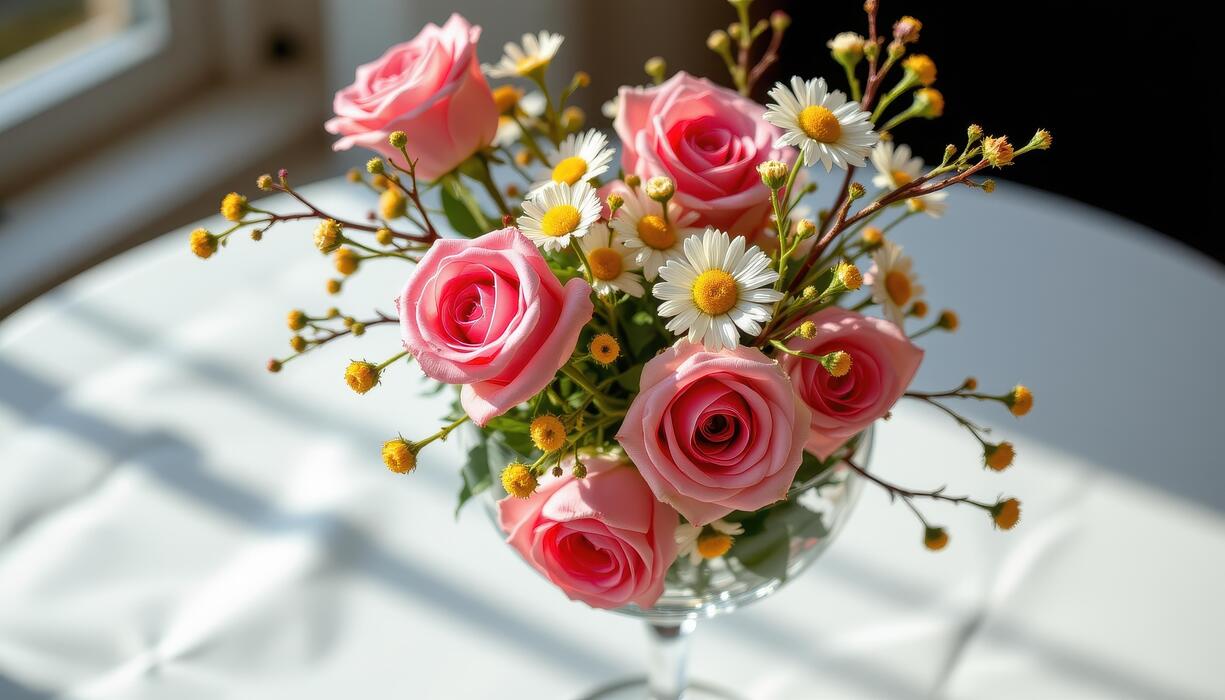
Best Vase Flower Arrangement Ideas in 2026
Creating beautiful vase flower arrangement ideas is all about balancing bloom types, colors, and vase shape to craft a harmonious display. It’s not just about placing flowers in water; it’s about telling a visual story. We’ll show you how to transform simple stems into stunning centerpieces, making any space feel more vibrant and inviting.
In our experience, the secret to captivating arrangements lies in understanding the interplay between your chosen flowers and their vessel. We recommend always starting with the vase, letting its form guide your floral choices. This approach ensures a cohesive look, whether you’re aiming for dramatic flair or subtle elegance in your flower arrangements.
Here’s a tip most guides miss: always incorporate a “green collar” at the base of your arrangement. This isn’t just filler; it acts as a subtle support structure, holding stems in place and giving a lush, finished look. This small detail elevates an arrangement from good to truly professional, providing crucial visual weight.
The biggest mistake people make with vase flower arrangement ideas is overstuffing the vase. More flowers don’t always mean a better arrangement; often, it just looks messy and overwhelms the individual blooms. Instead, focus on thoughtful placement and allowing each flower room to breathe and showcase its unique beauty.
Ready to unlock your inner florist? We’ve gathered our best insights and practical advice to help you master the art of floral design. Dive into our comprehensive guide below for all the vase flower arrangement ideas you’ll ever need, from basic principles to advanced techniques.
In This Guide
The Complete Guide to Vase Flower Arrangement Ideas
Welcome to our comprehensive guide on vase flower arrangement ideas, where we delve into the art of transforming simple blooms into stunning displays. This skill isn’t just for professional florists; with the right tips and techniques, anyone can create beautiful arrangements that elevate any living space or special occasion.
We believe a well-arranged vase can truly bring joy and character to a room.
Within this guide, we explore a diverse range of styles, from the minimalist elegance of a single stem to the lush abundance of a garden-inspired bouquet. We’ll cover everything from selecting the perfect vase to pairing flowers and understanding basic design principles.
Our goal is to empower you with the knowledge to craft arrangements that reflect your personal taste and enhance your home’s aesthetic.
We’ve distilled years of experience and expert insights into actionable advice, ensuring you gain practical skills you can apply immediately. Whether you’re a complete beginner or looking to refine your existing talents, we’re confident you’ll find inspiration and valuable techniques here. Prepare to discover the simple pleasure and profound impact of beautifully arranged flowers in your home.
Everything You Need to Know Before Starting
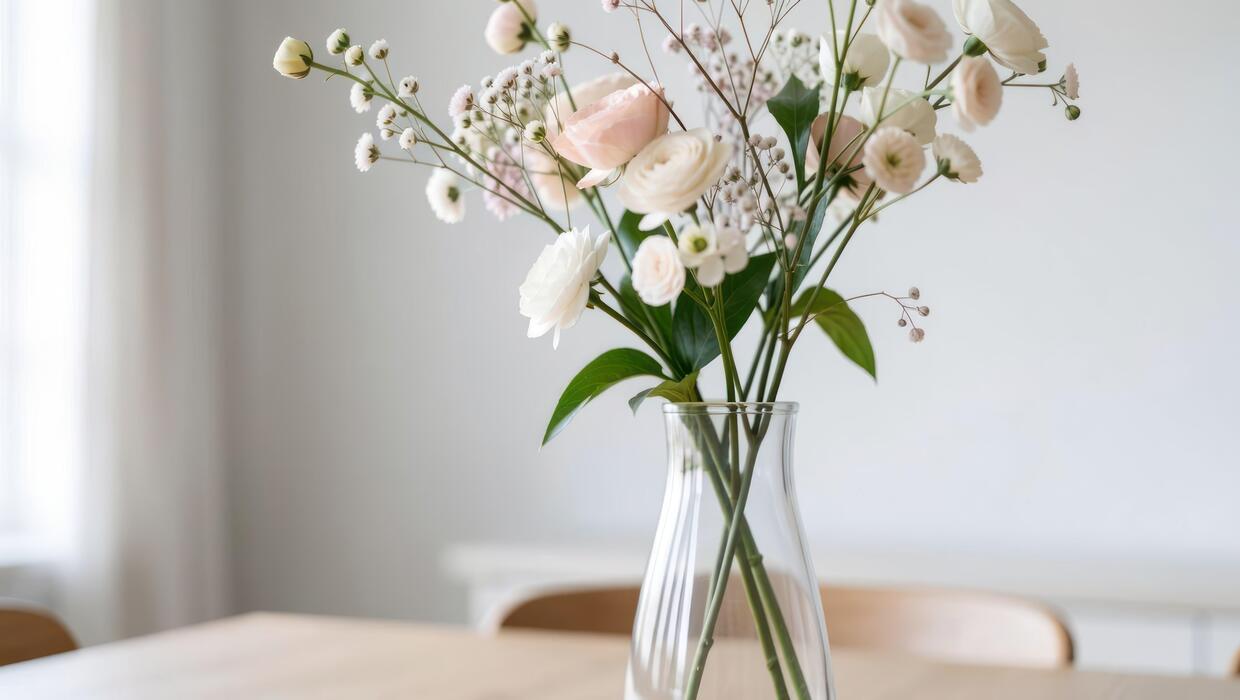
Before you even pick up your first stem, understanding the foundational elements is crucial. The choice of vase shape and size dramatically influences the final look of your arrangement.
We suggest considering the height, opening diameter, and material of your vase, as these factors dictate the types of flowers and the overall scale that will work best for a balanced and appealing display.
The quality and freshness of your flowers are paramount. We recommend visiting local florists or farmers’ markets early in the day for the best selection, looking for firm stems, vibrant colors, and petals free from blemishes.
Proper conditioning, such as trimming stems at an angle and removing any foliage that would fall below the waterline, is essential for maximizing their longevity and ensuring they absorb water efficiently.
Having the right tools at hand makes the process much smoother. A sharp pair of floral shears or a dedicated floral knife is vital for making clean cuts that prevent stem crushing, which can impede water uptake.
Additionally, we suggest preparing a clean bucket for conditioning, a packet of flower food, and possibly floral tape or a flower frog for more intricate designs requiring structural support.
Step-by-Step Breakdown
| Step | Action | Key Tip |
|---|---|---|
| 1. Prepare Your Materials | Clean your vase thoroughly and condition all flowers. Remove lower leaves, trim stems at a 45-degree angle, and hydrate in fresh water for at least an hour. | Always use flower food and lukewarm water for best absorption. Ensure no leaves are submerged in the vase water to prevent bacterial growth. |
| 2. Establish Your Base & Structure | Begin by adding greenery or sturdy filler flowers to create a framework. Cross stems at the base of the vase to form a grid, providing support for subsequent blooms. | Consider the desired shape (e.g., round, triangular) from the start. This “skeleton” helps guide the placement of your main flowers, ensuring a balanced outline. |
| 3. Place Focal Flowers | Introduce your largest or most striking blooms, positioning them strategically to draw the eye. Vary their heights and angles slightly to add depth and visual interest. | Use odd numbers of focal flowers (e.g., 3, 5, 7) for a more natural and aesthetically pleasing arrangement. Step back often to assess balance. |
| 4. Fill & Refine | Fill in any gaps with smaller, complementary flowers and additional greenery. Rotate the vase frequently to ensure the arrangement looks good from all angles. | Don’t be afraid to gently bend stems or remove a few leaves for a more open, airy feel. Less is often more for a refined, elegant finish. |
We always stress the importance of a clean vase and properly conditioned flowers as the absolute first step. This foundational work directly impacts the arrangement’s lifespan and overall aesthetic appeal, making it a non-negotiable prerequisite for any successful display. Taking these initial moments ensures your efforts will result in a vibrant, long-lasting creation.
Building the arrangement’s structure is the next critical phase. We recommend starting with sturdy greenery or filler flowers, strategically placed to create a stable framework. This step is crucial for giving your arrangement its fundamental shape and providing adequate support for the more delicate blooms to follow, effectively forming the “skeleton” of your design.
Finally, focus on adding your focal points and refining the overall composition. Once the structural elements are in place, strategically position your most striking blooms to capture attention. Subsequently, fill any remaining gaps with smaller flowers or complementary foliage, stepping back frequently to assess balance and ensure a cohesive, visually appealing display from every perspective.
Common Mistakes People Make with Vase Flower Arrangement Ideas
One of the most frequent errors we observe is a mismatch between the vase and the flowers. A tall, narrow vase will struggle with short-stemmed blooms, while a wide-mouthed vessel can make a small bouquet look sparse. Always consider the proportions and stability; the vase should complement, not overpower, your floral selection.
We recommend a general rule of thumb: flowers should be 1.5 to 2 times the height of the vase.
Another common pitfall is either over-stuffing the vase or leaving it too empty. An overcrowded arrangement can stifle individual blooms and shorten their lifespan due to poor air circulation. Conversely, too few stems in a large vase can look lost and unimpressive.
Aim for a balanced density that allows each flower to breathe and shine, creating a harmonious and visually appealing display.
Neglecting proper stem preparation is a mistake that significantly impacts longevity. Many people simply plunk flowers into water without trimming stems or removing submerged foliage. We emphasize cutting stems at a 45-degree angle to maximize water absorption and removing any leaves below the waterline to prevent bacterial growth. Fresh, clean water, changed daily, is also paramount.
Pro Tips That Make a Real Difference
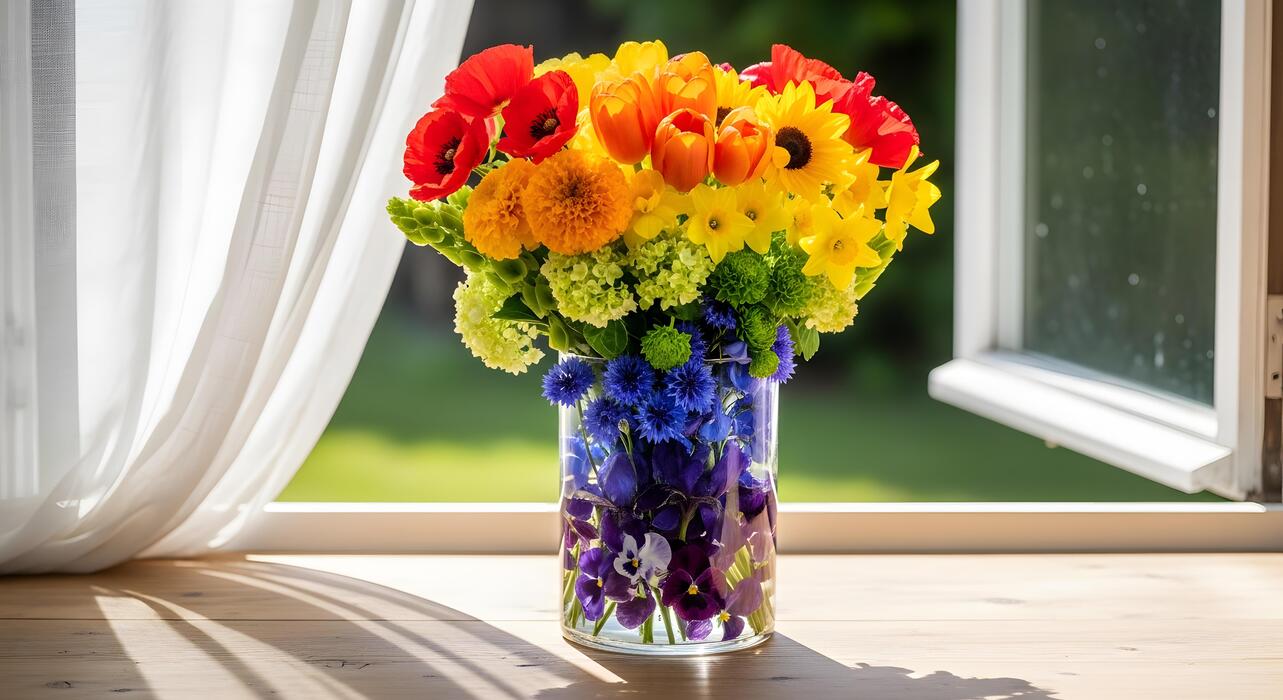
To achieve a professional-looking arrangement, we strongly advocate for establishing a structural base. This could involve creating a ‘grid’ with floral tape across the vase opening, or using chicken wire or floral foam for heavier stems. This simple technique provides crucial support, allowing you to position flowers precisely and maintain your desired shape, preventing them from flopping to the sides.
Introducing variety in heights, textures, and forms is key to dynamic arrangements. Instead of placing all flowers at the same level, create visual depth by having some blooms taller, others shorter, and some spilling over the rim.
We also suggest mixing different flower types – perhaps a bold focal flower, softer filler flowers, and delicate greens – to add intriguing textural contrast.
Don’t shy away from incorporating unexpected elements that add personality and a unique touch. This could be a striking branch, interesting seed pods, or even non-floral items that complement your theme. Additionally, consider designing with a clear focal point, often a larger, more vibrant bloom, around which other elements gracefully radiate. This guides the eye and creates impact.
Frequently Asked Questions About Vase Flower Arrangement Ideas
Choosing the right vase shape is often confusing, but we recommend matching the vase opening to the bouquet’s density. A narrow-necked vase is ideal for a few statement stems, while a wide-mouthed vessel suits lush, full arrangements. For mixed bouquets, a classic cylinder or hourglass shape offers versatility. Ultimately, the vase should support the flowers without overwhelming or constricting them.
Extending the life of your cut flowers involves a few crucial steps. We always suggest recutting stems every two days, changing the water daily, and using a floral food packet to nourish the blooms. Keeping arrangements away from direct sunlight, drafts, and ripening fruit (which releases ethylene gas) also significantly contributes to their longevity and freshness.
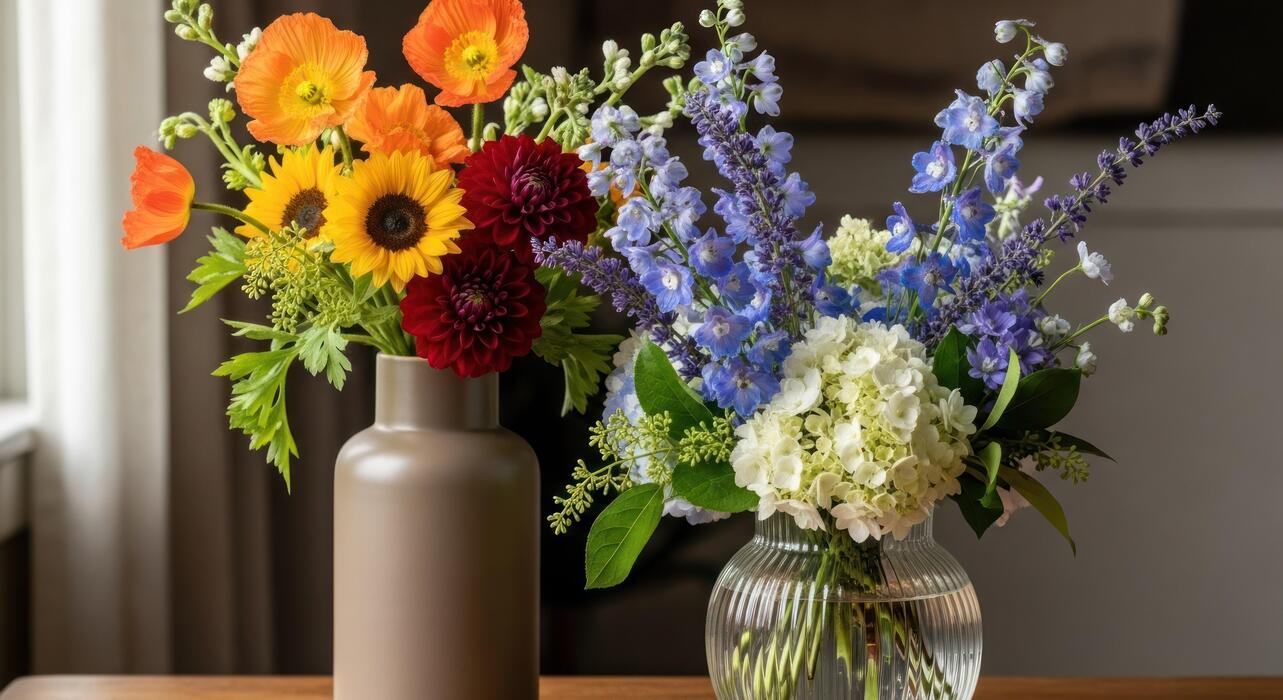
Absolutely, mixing different flower types and colors can create stunning arrangements, provided you consider balance and harmony. We advise starting with a color palette – perhaps analogous, complementary, or monochromatic – and then selecting flowers that align. Experiment with various textures and forms to add interest, ensuring your chosen blooms complement each other without clashing for attention.
Frequently Asked Questions
What’s the best vase shape for different types of flowers?
We’ve found that the ideal vase shape depends on your chosen blooms. For a single statement flower or a few long-stemmed varieties like gladioli, a tall, narrow vase works beautifully. For a mixed bouquet with varying heights and textures, a classic cylinder or hourglass shape offers good support.
A wide-mouthed bowl is excellent for short-stemmed, abundant arrangements, allowing flowers to spill gracefully. Experimenting helps discover what works best for your specific flowers.
How can I make my flower arrangements last longer?
To maximize longevity, we recommend a few key steps. Always start with a clean vase and fresh, lukewarm water mixed with flower food. Before placing flowers, trim about an inch off the bottom of each stem at an angle to increase water absorption. Remove any leaves that would fall below the waterline, as submerged foliage can promote bacterial growth.
Change the water and re-trim stems every two days for the best results, keeping the arrangement out of direct sunlight.
What are some easy flowers for beginners to arrange?
For those new to flower arranging, we suggest starting with forgiving and readily available blooms. Carnations, chrysanthemums, and alstroemeria are excellent choices due to their sturdy stems and long vase life. Baby’s breath or solidago can also add easy filler without requiring complex techniques.
These flowers naturally hold their shape well, making it simpler to create a pleasing arrangement without needing advanced floral mechanics. Don’t hesitate to mix and match colors!
How do I choose the right vase size for my flowers?
We recommend following a simple proportion rule: the height of your flowers should ideally be 1.5 to 2 times the height of your vase. This creates a balanced and aesthetically pleasing look. For wider arrangements, ensure the vase opening is proportionate to the volume of flowers you intend to use, allowing them to spread without looking cramped.
Consider the overall scale of your space; a large arrangement might overwhelm a small table.
Should I use floral foam in my arrangements?
While floral foam provides excellent stability for complex designs, we generally advise using it sparingly due to its non-biodegradable nature. For most home arrangements, alternatives like chicken wire or a flower frog placed at the bottom of the vase can provide sufficient support and structure. These options are reusable and more environmentally friendly.
If you do use foam, ensure it’s fully saturated before placing stems to prevent air pockets.
Final Thoughts
We hope these vase flower arrangement ideas inspire you to bring more beauty and life into your home. The art of arranging flowers is a wonderfully rewarding creative outlet, allowing you to express your personal style and enhance any space with natural elegance.
From selecting the perfect vessel to carefully placing each bloom, every step contributes to a unique display that brightens moods and adds a touch of sophistication. We believe anyone can master this delightful craft.
Don’t be afraid to experiment with different flower combinations, vase shapes, and placements. There are no strict rules in floral design; only your imagination limits what you can create. We encourage you to gather some fresh flowers, find a favorite vase, and simply begin.
You’ll soon discover the joy of crafting your own stunning arrangements, transforming everyday moments into something truly special.

Chloe Bennett is an interior stylist and ceramic enthusiast with a passion for curation. She specializes in finding the perfect vases to elevate home spaces, blending contemporary design with vintage aesthetics. Her expert guides help readers select, style, and care for unique vessels that transform ordinary rooms into art.