What’s Changing in Home Decor This October 2026
As October progresses, the home decor focus shifts away from single-holiday styling and toward multi-phase seasonal transformations that bridge autumn, Halloween, Thanksgiving, and the winter holidays. This shift answers what is changing in home decor this October, moving away from temporary setups that demand a complete room overhaul every few weeks in favor of adaptable, interconnected design strategies.
Recent seasonal coverage highlights a practical shift toward adaptable displays, featuring techniques like transition trees that restyle from Halloween to Christmas without being rebuilt from scratch, layered vintage textures, and concentrated guest-ready spaces rather than frantic whole-house decorating. By anchoring these multi-phase changes around versatile elements—such as a neutral vase framework that swaps stems, textiles, or lighting—homeowners can easily navigate the bridge between autumn and the winter holidays while keeping safety considerations like stability and fire care in mind for candles, electrical lights, and real branches.

The Rise of the Transition Tree
As the peak of autumn transitions toward late-year celebrations, home design reporting highlights a smarter approach to holiday setups. Rather than packing away seasonal displays immediately after October 31, current decor coverage identifies a growing shift toward structural decorating frameworks that reduce seasonal fatigue and storage strain.
According to design reporting from Ideal Home, transition trees have emerged as a practical solution for this exact timeline. Instead of building and dismantling separate displays from scratch every few weeks, these semi-permanent structural pieces are designed to be restyled on a rolling basis. A foundational branch structure built for autumn or Halloween can easily pivot into Thanksgiving and winter holiday arrangements without requiring a complete overhaul.
Implementing a transitional tree framework typically involves three deliberate phases:
- The Base Structure: Selecting a sturdy artificial or natural branch armature that fits comfortably in a designated corner or tabletop display.
- The October Layer: Incorporating harvest foliage, moody autumn stems, or subtle Halloween motifs that feel festive without locking the design into a single holiday.
- The Late-Year Pivot: Swapping out lightweight stems for heavier winter greens, ornaments, or subtle fairy lights as November progresses toward December.
While reports indicate that many households are adopting this method to save time, designers emphasize that structural stability remains essential. When shifting heavy ornaments, electrical lights, or dense winter branches onto an existing armature, homeowners must ensure the base vessel or stand remains properly weighted to prevent tipping. Checking that electrical components meet current safety standards is also recommended when integrating lights into dried or natural stems.
By focusing on a single, adaptable framework rather than multiple standalone setups, this decorating style bridges the gap between major autumn and winter celebrations seamlessly. It offers a measured way to refresh living spaces week by week while keeping seasonal storage manageable.
Warm Textures and Vintage Touches
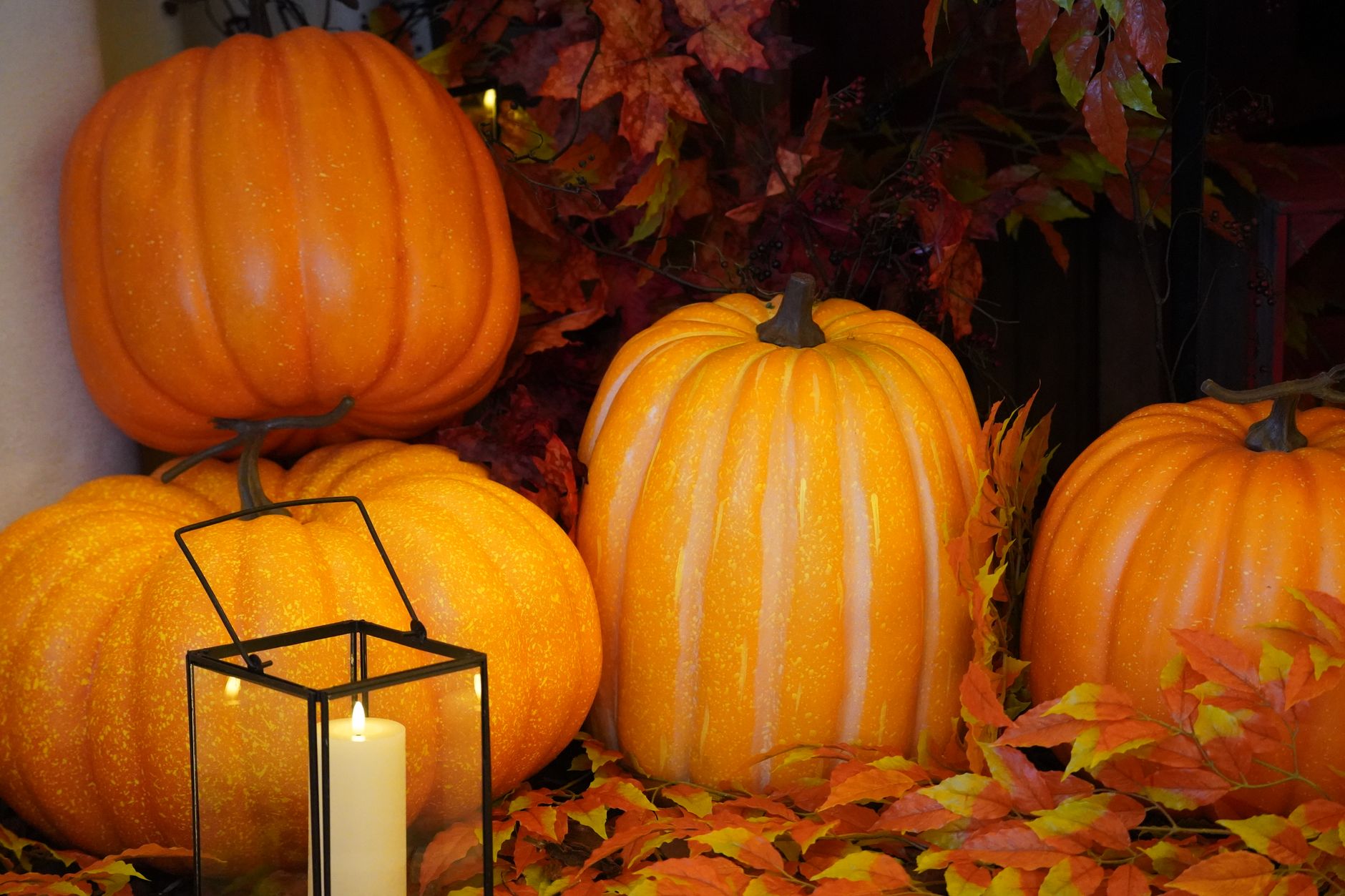
Current seasonal design guidance favors incorporating warm textures, vintage-inspired touches, and timeless accents. Swapping out lightweight summer fabrics for layered textiles instantly anchors a room for the cooler months ahead. Recent reporting highlights that this approach relies less on a total room overhaul and more on thoughtful tactile adjustments that bring physical comfort and visual depth to living spaces.
When curating these updates, interior experts often recommend focusing on materials that absorb light and soften hard architectural lines. Incorporating these elements does not require purchasing an entirely new collection of furnishings; rather, it involves layering tactile details over existing core pieces.
Effective ways to integrate warm textures and vintage touches include:
- Swapping lightweight linen or cotton throw pillow covers for heavier wool, velvet, or chunky knit alternatives.
- Introducing vintage ceramic vessels, patinated brass objects, or heirloom-style frames to add historical character.
- Draping heavyweight woven blankets or faux-shearling throws over seating areas to invite immediate use.
- Displaying amber glassware, earthenware, or stoneware that naturally reflects low autumn and winter lighting.
Global reporting notes that these tactile upgrades help bridge the gap between early autumn brightness and the deeper, moodier tones of late-season celebrations. While specific design preferences vary, the underlying goal remains consistent: creating an environment that feels grounded, established, and welcoming.
As you incorporate these elements, it remains important to balance heavy textiles with simpler, neutral backdrops so rooms do not feel overcrowded. Whether this involves a single distressed wooden tray on a coffee table or a collection of mismatched vintage brass candlesticks, thoughtful placement ensures the space stays functional while gaining seasonal warmth.
Room-by-Room Thanksgiving Preparation
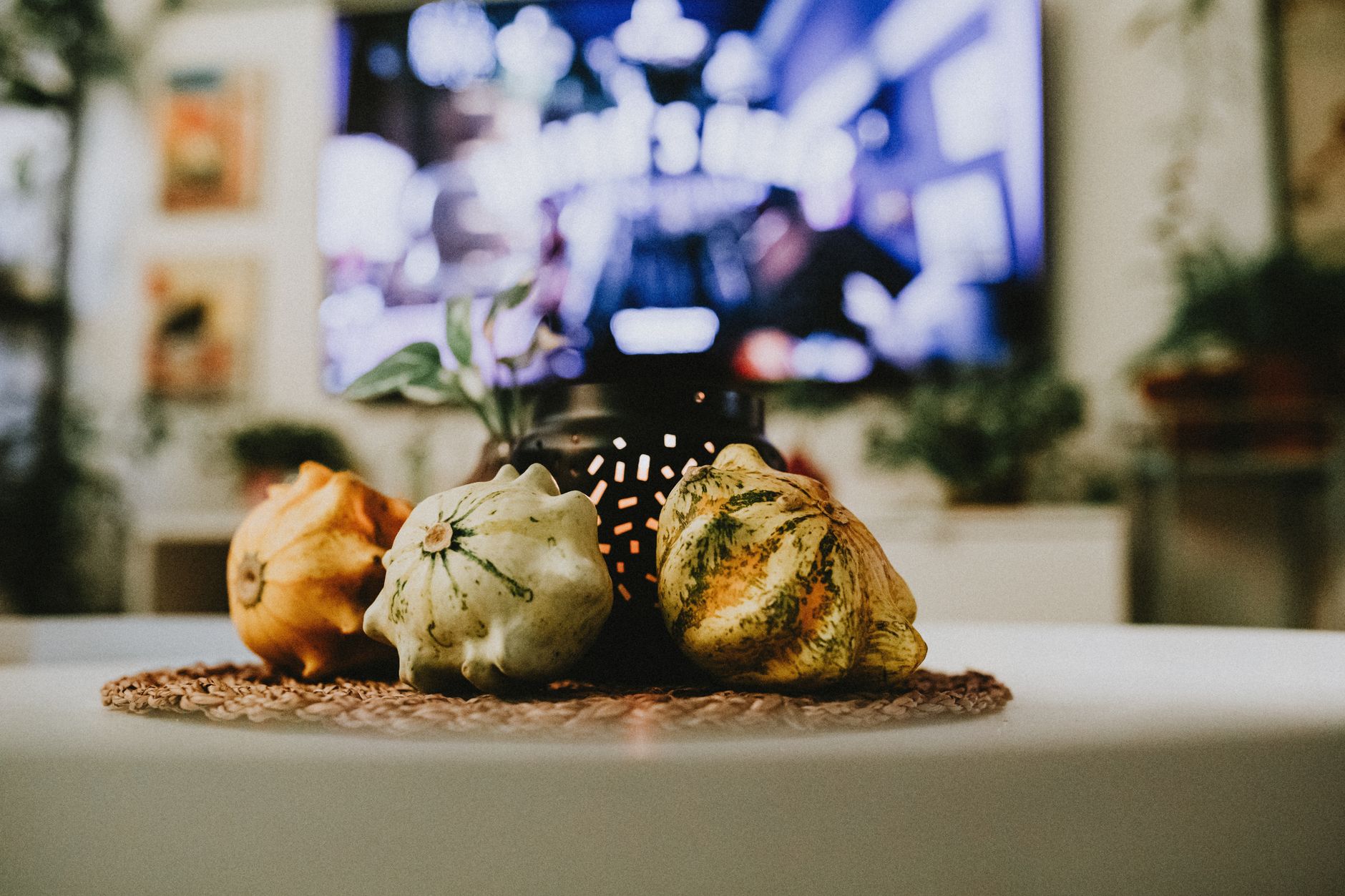
Instead of attempting to decorate every corner of the house simultaneously, current expert guidance recommends focusing on intentional, guest-ready zones this season. Curating specific focal points like entryways and primary gathering spaces creates a welcoming atmosphere without overwhelming storage limits or burning out your decorating energy.
When preparing your home for Thanksgiving visitors, a room-by-room strategy keeps the process manageable. Recent design reporting emphasizes that you do not need a complete overhaul in every single room to achieve a cohesive, festive look. Concentrating efforts on high-impact areas allows you to direct your attention—and your seasonal accents—where guests will actually spend their time.
Key Guest-Ready Zones to Prioritize
- The Entryway: Establishing a tidy drop zone for coats and bags sets an organized tone the moment visitors walk through the front door. Add a simple seasonal touch, such as a sturdy vase with dried stems on a console table, to welcome people in.
- The Dining Area: Focus your table styling around a central gathering spot. Recent hosting advice suggests keeping centerpieces low and uncluttered so guests can easily converse across the table during the meal.
- The Living Room: Clear away daily clutter and ensure there is adequate seating. Incorporate warm textures and soft lighting to make the main socializing space comfortable and inviting.
By streamlining your approach to these key areas, you avoid the fatigue of over-decorating peripheral spaces that guests may rarely notice. Current reporting suggests that keeping non-essential rooms simple also makes post-holiday cleanup significantly faster.
As you transition these specific zones from October into November, lean on versatile foundational pieces. While specific reports highlight different approaches to holiday preparation, focusing on intentional spaces generally helps balance aesthetic appeal with everyday practicality. Always ensure that any added candles, lighting, or botanical displays are positioned securely away from heavy traffic pathways to maintain safety as foot traffic increases in your home.
Vase-Led Transitions for Minimal Effort
As the calendar moves past mid-October, updating your living spaces does not require a complete tear-down of your seasonal displays. A versatile, neutral vase can serve as the reliable anchor for smooth seasonal shifts, allowing you to transition your home effortlessly from autumn harvest themes into Thanksgiving and winter festivities without starting from scratch.
By retaining the same foundational vessel and structural branch framework, decorators can easily swap out supporting elements as the weeks progress. This approach minimizes storage clutter and saves time, focusing your updates on smaller, high-impact details.
Key Elements to Swap on a Neutral Vessel Framework
- Seasonal stems and foliage: Exchange dried fall grasses and burnt-orange leaves for bare winter branches, pine sprigs, or preserved eucalyptus as winter approaches.
- Textiles and ribbons: Wrap the base or accent nearby surfaces with textured ribbons, transitioning from burlap and rustic twine to velvet or silk finishes.
- Lighting accents: Integrate subtle fairy lights or battery-operated branch lights into the arrangement to bring warmth to shorter, darker evenings.
- Hanging ornaments: Suspend lightweight seasonal decorations from the structural branches, shifting from harvest motifs to minimalist winter ornaments.
Current home decor reporting emphasizes warm textures, vintage touches, and timeless accents that feel grounded rather than overly themed. Utilizing a single statement vase aligns directly with this mindset by emphasizing reusable, high-quality foundation pieces rather than disposable decor items.
When styling tall branches or incorporating lighting into a vase-led display, it is important to maintain practical safety standards. Real wood branches, decorative candles, and electrical fairy lights require stability and basic fire-safety care. Always ensure that heavy or dried branches are securely weighted inside the vessel to prevent tipping, keep flammable materials clear of open flames, and verify that any electrical lighting components used in seasonal arrangements are safety-rated for indoor display.
By relying on a steadfast anchor piece, you can keep your home feeling intentional, guest-ready, and seamlessly synchronized with the changing seasonal milestones through the end of the year.
Prioritizing Fire Safety with Seasonal Displays
As homes introduce dried branches, candles, and electrical string lights into seasonal arrangements for the late-autumn transition, maintaining stability and fire safety is essential. Current interior design reporting notes that early holiday preparations often bring multiple decorative elements together in close quarters. Because natural materials dry out further as the heating season begins, safety precautions require active attention throughout October and the winter months ahead.
Dry natural elements, such as twigs, leaves, and branches collected from outdoors or kept from autumn displays, can become highly flammable. Current reporting advises keeping all dried natural elements safely clear of open flames, fireplaces, and burning candles. When styling a focal vase or centerpiece, maintain a generous physical buffer between any combustible plant matter and active heat sources to prevent accidental ignition.
Electrical string lights and illuminated branches add warmth to transitional displays, but they require careful hardware management. Always ensure that electrical cords used indoors are properly rated for decorative indoor use. Avoid overloading household outlets by daisy-chaining multiple light sets together, and inspect cords periodically for any signs of fraying or exposed wiring before plugging them in.
Stability is another key safety factor when building tall seasonal displays or repurposing structures. Whether you are working with a heavier vase-led branch arrangement or a larger framework, ensure the base is weighted securely to prevent tipping, especially in high-traffic hallways or dining areas where guests gather.
Practical safety checkpoints for seasonal displays include:
- Keeping dried stems and foliage at a safe distance from open flames and candle wicks.
- Verifying that all decorative lights carry proper safety certification labels for indoor use.
- Inspecting electrical cords for wear before plugging them into household outlets.
- Anchoring heavy branches and vessels securely to prevent accidental tipping.
- Turning off decorative lights and extinguishing candles whenever leaving the room or going to sleep.
While specific local safety codes and manufacturer instructions may vary, applying these baseline precautions helps protect your living space while updating seasonal decor.
Simplifying Holiday Storage Strategy
Transition-focused decorating strategies can significantly reduce storage clutter during the busy final months of the year by relying on multi-functional decor pieces rather than single-use seasonal items. Instead of packing away entire collections of decorative objects every few weeks, current lifestyle and design reporting indicates that homeowners are increasingly adopting modular approaches that streamline storage spaces.
When decorative elements are selected to serve multiple seasonal functions, fewer total boxes need to be managed, transported, and stored between holidays. For example, a single neutral base container can anchor an arrangement through multiple phases without requiring a complete teardown of the display.
Storing modular components together in dedicated bins makes the physical shift from late autumn celebrations to winter festivities faster and much more organized. According to home organization guides published in late October 2026, preparing guest-ready spaces and seasonal areas is far more manageable when components share a unified storage system.
Practical Steps for Streamlined Storage
- Group base vessels, foundational branch frameworks, and neutral textiles in primary storage containers so they remain accessible for the next phase.
- Keep interchangeable items—such as autumn stems, lightweight lighting elements, and smaller decorative accents—in clearly labeled smaller bins inside the main seasonal box.
- Store delicate items like candles and electrical lights separately in protective packaging to maintain safety standards while preventing tangles or breakage.
While specific organizational preferences vary by household, keeping adaptable structures together minimizes the sorting time required when shifting from Halloween displays directly into Thanksgiving and winter holiday preparations. It remains uncertain how much total storage space the average home saves using this method, but interior design observers note a clear operational benefit in reducing the frequency of total room resets.
By relying on structural continuity, individuals can spend less time rummaging through multiple closets and more time enjoying the active hosting season. Organizing decor by its modular capability rather than its holiday label helps maintain a calmer, more orderly home environment throughout the autumn and winter transition period.
Balancing Daily Functionality with Seasonal Display
As living spaces shift to accommodate overlapping autumn milestones and early winter preparations, maintaining daily livability remains a practical challenge. Decorating for multiple seasonal moments back-to-back can quickly crowd household surfaces, disrupt traffic flow, and create visual clutter if everyday items are pushed aside rather than integrated. An effective transitional approach focuses on styling zones that complement everyday family routines rather than blocking access to functional furniture, storage cabinets, and lighting switches.
A thoughtful strategy begins with assessing high-traffic areas such as entryways, living room coffee tables, and kitchen countertops. Instead of filling every available horizontal surface with decorative vignettes, clear designated landing zones for daily essentials like keys, mail, and electronics. When arranging seasonal stems, pumpkins, or candles, ensure they sit securely out of the way of daily activities, preventing accidental tipping and preserving clear pathways through the room.
Multi-functional styling also helps maintain order during busy autumn weeks. Using trays, baskets, and decorative bowls allows seasonal accents to be grouped cohesively, making them easy to lift or relocate when clearing space for everyday tasks, cooking, or working from home. By anchoring decor within defined containers, you reduce visual noise and make rapid adjustments effortless whenever guests arrive or routines demand a clear workspace.
Finally, consider how lighting and ventilation interact with your displays. Avoid blocking heating vents with heavy textiles, table runners, or floor-standing arrangements, which can restrict airflow as cooler weather sets in. Keeping windows unhindered by oversized centerpieces or sprawling branch arrangements also maximizes natural daylight during shorter October afternoons, ensuring your home feels bright, welcoming, and entirely functional throughout the seasonal shift.
Integrating Lighting and Scent Layers for the Late-Autumn Transition
As daylight hours shorten through late October, shifting the sensory layers of your living spaces can make rooms feel welcoming without requiring a full redesign. Moving past the bright, citrusy scents of late summer, October decor coverage points toward grounding aromas such as cedarwood, amber, and spiced baked notes, which bridge the gap between harvest celebrations and the deeper winter months. Introducing these scents through natural beeswax candles, simmer pots, or subtle room diffusers helps establish a cohesive seasonal atmosphere.
Alongside fragrance, lighting plays a vital role in transforming mood as ambient daylight fades. Rather than relying on harsh overhead fixtures, lean into layered illumination using warm-toned LED fairy lights, dimmable floor lamps, and clustered pillar candles positioned safely away from foot traffic and heavy textiles. When styling mantels or tablescapes, varying the height of your light sources creates visual depth and softens shadows in the room.
For a seamless transition, pair these lighting and scent adjustments with the foundational pieces you already have in place, such as neutral vases filled with dried branches or textured ceramic catchalls. By focusing on sensory details rather than accumulating more physical items, you reduce clutter while making your home feel naturally prepared for hosting family and friends as the holiday calendar approaches.
Frequently Asked Questions
What is a transition tree in home decor?
A transition tree is a seasonal decorative structure designed to be restyled across multiple holidays rather than rebuilt from scratch. Instead of taking down an autumn or Halloween display completely, you keep the core framework intact and update the ornaments, ribbons, or stems. This approach saves storage space and reduces assembly time while keeping your seasonal displays fresh as October moves toward late-year celebrations. It offers a practical way to manage holiday transitions without starting over every few weeks.
How can I update my fall decor for Thanksgiving without buying new items?
You can transition your fall decor into Thanksgiving by focusing on intentional, guest-ready spaces rather than decorating every room at once. Streamline your current autumn accents by removing specific Halloween elements and emphasizing natural items like gourds, leaves, and neutral table linens. Focus your efforts on high-impact areas such as the dining table and entryway to create a welcoming environment. By shopping your own home and rearranging existing items, you can achieve a sophisticated holiday look without spending extra money.
What are the key textures trending in late October?
Late October home decor trends heavily favor warm textures, vintage touches, and timeless accents that create a cozy atmosphere. Designers are leaning into tactile materials like chunky knits, brushed metals, weathered wood, and layered fabrics to add depth and visual warmth to living spaces. Combining these elements helps bridge the gap between crisp autumn days and the upcoming cooler holiday season. Incorporating vintage pieces adds personal character and a sense of permanence that grounds modern seasonal displays.
How do I style a single neutral vase for multiple holidays?
A vase-led transition allows you to reuse the exact same neutral vessel and branch framework while swapping out smaller seasonal details. For October, you might style the branches with autumn leaves or subtle rustic stems, then transition the arrangement for later holidays by exchanging the foliage for festive ornaments, winter greens, or soft string lights. This versatile method keeps your core styling consistent while letting you celebrate each distinct season or holiday with minimal effort and waste.
What safety precautions should I take with dried branches and holiday lights?
When styling natural elements like dried branches alongside candles and electrical lights, proper stability and fire-safety care are essential. Always ensure heavy branches are securely anchored inside a sturdy vase to prevent tipping. Keep dried botanical materials well away from open flames, and regularly inspect electrical lights for frayed wires or overheating bulbs before leaving them unattended. Taking these simple precautions helps protect your home while you enjoy your seasonal displays throughout the autumn and winter months.
Sources and updates
Details can change after the October 24, 2026 research cutoff. Check the linked sources and current local guidance before acting.
- Ideal Home: transition-tree trend (2026-10-18)
- Global News: fall home decor trends (2026-10-20)
- Homes & Gardens: preparing for Thanksgiving (2026-10-21)

Chloe Bennett is an interior stylist and ceramic enthusiast with a passion for curation. She specializes in finding the perfect vases to elevate home spaces, blending contemporary design with vintage aesthetics. Her expert guides help readers select, style, and care for unique vessels that transform ordinary rooms into art.