Holiday-Season Home Decor: Practical Trends and Tradeoffs
Navigating holiday-season home decor: practical trends and tradeoffs requires balancing festive ambition against storage limitations and installation fatigue. As the calendar moves from early autumn through Thanksgiving and into the winter holidays, decorating the entire house from scratch for each distinct occasion can quickly become overwhelming.
Rather than undertaking a complete overhaul every few weeks, current seasonal coverage highlights more cohesive, streamlined strategies. Home design reporting emphasizes displays that transition smoothly across celebrations, such as structural transition trees that can be restyled from Halloween into Christmas, vintage touches and warm textures, and intentional, guest-ready spaces like focused seasonal tables rather than fully decorated rooms. This guide explores those emerging trends alongside the practical tradeoffs involved in maintaining a balanced, festive home through the end of the year.

The Rise of the Transition Tree
Rather than rebuilding holiday displays from scratch every few weeks, current seasonal styling favors permanent structural pieces that can be restyled. According to design reporting, transition trees allow homeowners to use a base structure—often artificial or permanent branch arrangements—that shifts seamlessly from autumn or Halloween themes into winter holiday and Christmas presentations by swapping out lightweight elements rather than the entire setup.
Ideal Home identifies these transition trees as seasonal structures designed to adapt across multiple celebrations instead of requiring complete disassembly. By starting with a neutral framework, decorators can swap foliage, ribbons, and ornaments as the calendar moves from October harvest motifs into late-November gratitude and December festivities.
Adopting this approach requires balancing the convenience of a semi-permanent display against the practical limitations of storage and physical space. While a single evergreen or sculptural twig armature reduces setup time and packaging clutter over the long season, homeowners must ensure the base frame remains sturdy enough to support heavier winter ornaments after holding lighter autumn stems.
To implement a successful transition tree framework, consider these structural strategies:
- Choose a neutral base: Select an artificial tree or branch armature without overt holiday colors so it accepts both orange-and-black accents and red-and-green themes.
- Anchor the foundation: Ensure the stand and lower branches are securely weighted, as layering multiple rounds of seasonal items can shift the center of balance.
- Use lightweight swaps: Limit heavy, rigid decorations to elements that can be easily unclipped or untied without disturbing the underlying structural wiring or branch placement.
When executing these style shifts, current design guidance emphasizes safety alongside aesthetics. Real branches, candles, and electrical lights integrated into larger displays still require careful stability and fire-safety checks, particularly as seasonal greenery dries indoors over extended weeks. Monitoring electrical loads and keeping open flames away from dry botanical elements remains essential regardless of how frequently the decorative theme changes.
Embracing Warm Textures and Vintage Accents
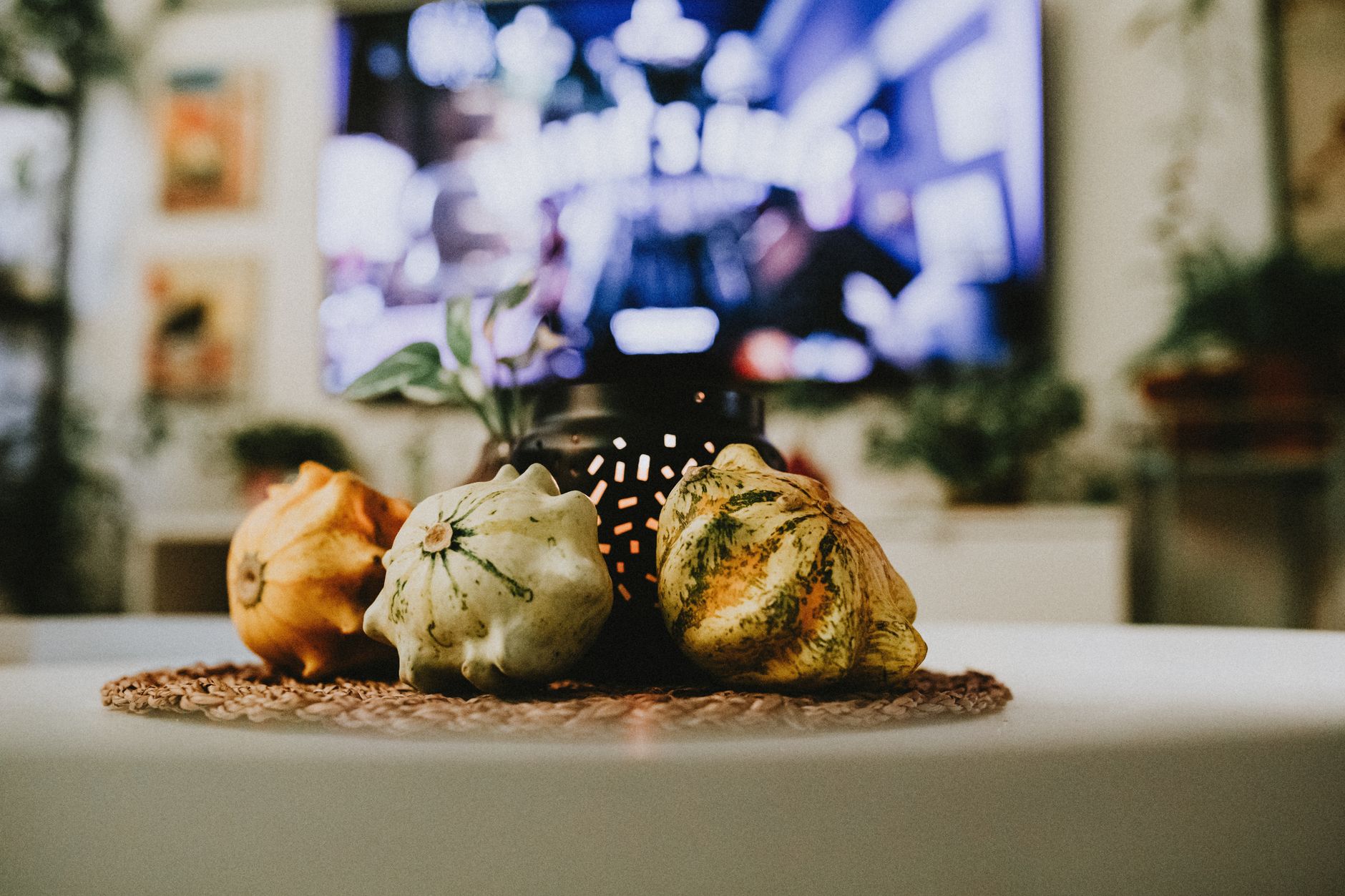
Current seasonal home decor coverage emphasizes tactile comfort, leaning into warm textiles, vintage touches, and timeless accents to create depth in living spaces. According to recent reporting, incorporating elements like heavier throws, aged metals, and heirloom-style pieces updates a room without requiring a modern, trendy overhaul. These elements remain versatile as the weather turns colder, naturally bridging the gap between harvest aesthetics and cozy winter living.
Layering textures offers a practical way to transition a room’s mood as outdoor temperatures drop. Swapping lightweight summer cottons for chunky knit blankets, velvet cushions, or wool accents introduces physical warmth and visual richness. Rather than replacing entire furniture suites, updating smaller textile accessories allows a space to evolve incrementally. This approach supports a curated look that feels both lived-in and intentional.
Vintage touches and timeless accents further ground a seasonal design scheme by introducing character and history:
- Aged metal candleholders and brass trays reflect candlelight warmly against darkening autumn afternoons.
- Heirloom-style dishware or framed seasonal botanical prints add personal narrative to tabletops and walls.
- Neutral stoneware and pottery pieces provide a sturdy foundation that accommodates changing floral stems or foliage without competing with the surrounding decor.
While reports highlight a strong movement toward vintage and tactile aesthetics, homeowners should balance curated charm with everyday functionality. Heavy wools and textured fabrics require appropriate cleaning care depending on fiber content, and delicate vintage items may need careful placement away from high-traffic zones or curious pets. Integrating these enduring pieces thoughtfully ensures that a home remains comfortable, practical, and visually cohesive throughout the changing seasonal months.
Intentional Room Selection Over Full-House Overhauls
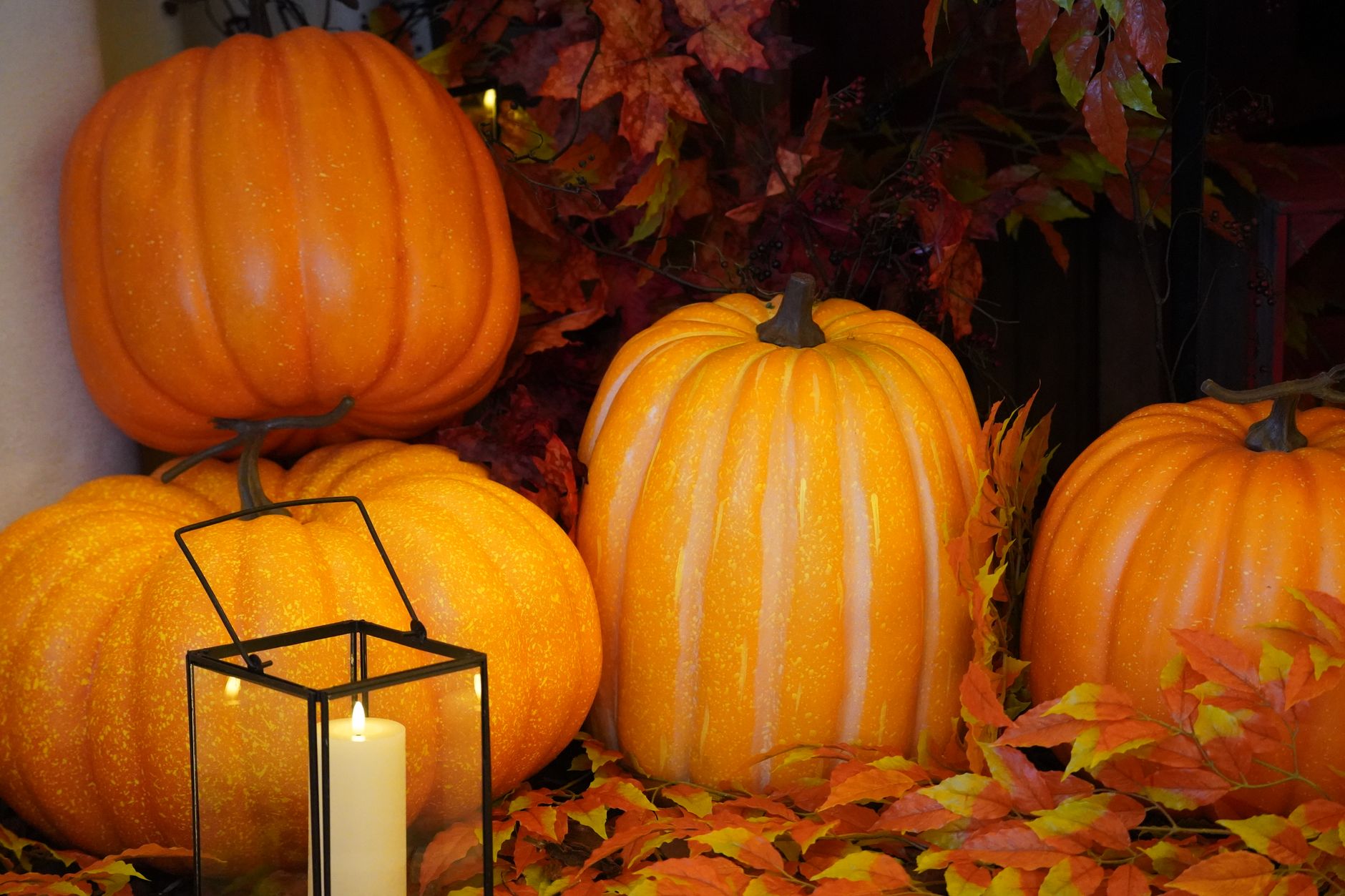
Trying to decorate every room in the house at once during the autumn and winter holidays often leads to fatigue and disorganization. When holiday planning collides with packed schedules, spreading decorations thin across every available corner creates clutter rather than a welcoming atmosphere. According to Thanksgiving preparation guides from October 2026, a more sustainable approach focuses on intentional, guest-ready spaces rather than an exhausting full-house overhaul.
Concentrating your efforts where visitors actually spend time yields a higher-impact result with significantly less physical and mental strain. Instead of attempting to style bedrooms, hallways, and secondary spaces simultaneously, target the primary zones of your home:
- The Entryway: Sets an immediate seasonal tone and welcomes guests the moment they cross the threshold.
- The Living Room: Serves as the main gathering space for socializing, relaxing, and enjoying warm textures.
- The Dining Area: Anchors holiday meals, making the table the functional centerpiece of the celebration.
By limiting your decorating footprint to these key areas, you make high-impact zones feel more curated and cohesive. While complete room-by-room transformations might look appealing in magazines, they often result in an overwhelming amount of items to unpack, arrange, and eventually dust. Focusing on high-traffic areas simplifies the entire workflow from start to finish.
Furthermore, targeted styling drastically simplifies post-holiday cleanup and storage management. When fewer rooms require dismantling, packing away seasonal decor takes a fraction of the time, reducing the post-holiday slump. Current seasonal guidance suggests that editing your choices beforehand prevents visual clutter and lets individual accent pieces stand out.
Whether this selective strategy suits every household depends largely on individual hosting habits and family traditions, as some homeowners genuinely prefer expansive displays throughout their entire living space. If you choose to concentrate on specific rooms, always verify that high-traffic walkways remain clear of cords, low-hanging foliage, or oversized floor displays to maintain safety for guests of all ages navigating your home.
Vase-Led Transitions for Minimalist Styling
A versatile approach to seasonal shifts relies on a single neutral vase paired with a flexible branch framework. Homeowners can update the look throughout the season by swapping out stems, textiles, small lights, or hanging ornaments. This method reduces the need to purchase multiple specialty containers and keeps storage requirements minimal.
According to design reporting from mid-October 2026, embracing warm textures, vintage touches, and timeless accents helps bridge the gap between distinct festive periods. By anchoring your display in a classic, heavy-bottomed neutral vessel, you create a sturdy base that avoids the clutter of single-use holiday accessories.
To execute a vase-led transition successfully throughout the autumn and winter months, consider these practical mechanics:
- The Framework: Start with sturdy, natural branches—such as birch, manzanita, or pussy willow—secured firmly inside the vessel using floral frogs or hidden stones.
- The Autumn Shift: Populate the branches with dried foliage, rustic berries, and muted fall tones to capture early-season warmth.
- The Winter Pivot: Remove the autumn stems and drape micro fairy lights or hang lightweight glass ornaments directly onto the same branch structure.
- The Textile Layer: Wrap the base of the vase in a chunky-knit runner, plaid ribbon, or textured linen depending on the specific holiday.
While this streamlined display minimizes storage clutter, safety considerations remain paramount. Real dry branches, open-flame candles placed nearby, and electrical string lights require careful monitoring. Always ensure that branch frameworks remain structurally stable so they do not tip heavy vessels, and keep electrical cords safely routed away from high-traffic household areas.
Current home decor commentary notes that styling strategies focusing on adaptable core pieces generally require less maintenance than dismantling complete displays every few weeks. Although exact aesthetic preferences vary by household, maintaining a foundational vase framework allows for seamless updates as Thanksgiving gives way to the winter holidays.
Managing the Tradeoffs of Multi-Season Decor
While adopting multi-use holiday decor saves time and reduces storage demands, it requires careful planning to ensure pieces do not look out of place during transitional weeks. Decor coverage published between October 18 and October 21, 2026, emphasizes displays that transition from autumn and Halloween into Thanksgiving and the winter holidays. However, bridging these distinct seasonal celebrations involves distinct practical tradeoffs between long-term versatility and immediate visual impact.
Relying on neutral foundations and transitional colors helps bridge disparate holidays without requiring a complete room overhaul. Design reporting highlights warm textures, vintage touches, and timeless accents as current favorites for autumn. Building displays around muted golds, deep greens, and warm woods allows decorative elements to stretch seamlessly from early October through late December. For instance, using a neutral vase as a central anchor lets a household reuse the same core branch framework while simply swapping out surrounding textiles, individual stems, subtle lights, or hanging ornaments as the calendar progresses.
Yet, these adaptable styling choices involve compromises:
- Visual Impact: Versatile neutral palettes and transitional elements may lack the high-contrast drama and immediate festive novelty of hyper-specific seasonal items, such as bright orange pumpkins or flashing multi-colored holiday lights.
- Storage Efficiency vs. Editing: While multi-use pieces minimize the total volume of boxes packed away in a closet or garage, transitional weeks can create temporary clutter if elements from two overlapping seasons sit side-by-side too long.
- Safety Considerations: Practical adjustments like incorporating real branches, seasonal candles, and electrical lights demand consistent attention to stability and fire safety, regardless of how neutral or multi-functional the surrounding aesthetic may be.
To mitigate these aesthetic and logistical tradeoffs, recent guidance suggests prioritizing intentional, guest-ready focal points over attempting to decorate every single room at once. Focusing efforts on high-impact areas like an entryway table or a dining centerpiece prevents transitional displays from feeling muddled. Homeowners should evaluate whether a multi-use item genuinely complements both early autumn and winter festivities, or if a dedicated seasonal accent serves the space better during peak holiday weeks. Clearly defining which spaces need to transition and which can remain simple helps maintain a cohesive look throughout the entire late-year season.
Prioritizing Stability and Fire Safety
As homes fill with dried branches, candles, and electrical lighting for the extended holidays, safety considerations become paramount for any display. While contemporary decorating trends favor natural elements and multi-phase setups, introducing organic materials and powered components into living spaces requires careful attention to household safety.
Real branches and harvested foliage dry out significantly over time, turning them into highly combustible materials that demand caution near open flames or heat sources. Current home styling often incorporates heavy transition trees and elaborate botanical arrangements, which can introduce physical stability risks if not anchored correctly. Heavy structural frames, large ceramic vessels, and layered holiday displays must be balanced carefully to prevent tipping, particularly in high-traffic rooms or households with pets and children.
Electrical safety is equally critical when transitioning displays from autumn accents into winter holiday lighting. Verifying that all string lights, extension cords, and illuminated figures meet current safety standards helps prevent electrical overloads and potential fire hazards during months of continuous use. According to current seasonal guidelines, homeowners should regularly inspect cords for fraying, avoid daisy-chaining multiple extension cords, and turn off decorative lights when leaving the house or going to sleep.
To help maintain a secure environment while managing complex seasonal transitions, consider the following practical precautions:
- Inspect all electrical holiday lights for cracked sockets, exposed wires, or loose connections before hanging them on trees or mantels.
- Keep dried natural branches, paper decorations, and fabric textiles at a safe distance from lit candles, fireplaces, and portable heaters.
- Secure tall transition trees and heavy focal arrangements to wall anchors or sturdy base supports to prevent accidental tipping as weights shift during restyling.
- Place open-flame candles on stable, heat-resistant surfaces away from drafts, low-hanging foliage, and high-traffic pathways.
Balancing aesthetic goals with routine safety checks ensures that seasonal updates remain secure throughout the entire autumn-to-winter hosting calendar.
Streamlining Storage and Off-Season Rotation
Managing multiple holidays in a single quarter creates a practical logistical challenge: where to store the elements of your decor that are currently off-duty. Transition-focused decorating relies on versatile base pieces, but swapping out stems, textiles, and smaller accessories means you still accumulate a rotating inventory of seasonal items. To keep your living spaces functional and clutter-free, establish a centralized storage zone before the decorating season begins.
Instead of scattering seasonal items across multiple closets or attics, group your transition pieces by category—such as textiles, tablewares, and botanical stems—in clear, labeled bins. Keeping your neutral foundations, like versatile ceramic vessels and foundational lighting, easily accessible allows you to execute quick updates without rummaging through heavy boxes. When transitioning from autumn foliage to winter branches, pack away delicate items using protective padding while immediately taking stock of what pieces can be reused for the next holiday phase.
A thoughtful rotation strategy also protects your budget and prevents storage fatigue. By auditing your collection annually, you can identify which multi-season accents get the most use and eliminate redundant items that only serve a single week of the year. This disciplined approach ensures your home remains comfortable and open for guests throughout the entire holiday season.
Transitioning Lighting and Ambience Across Holidays
Shifting your home’s atmosphere from the amber glow of autumn to the festive sparkle of winter holidays requires careful attention to lighting, without needing a complete overhaul of your fixtures. As days grow shorter, layered lighting becomes an effective way to maintain a welcoming environment while adapting to changing seasonal themes. You can begin in October by leaning into warm, low-intensity lighting—such as amber-tinted candles, fairy lights woven into dried branches, and lamps with soft-toned bulbs that complement harvest displays. These elements highlight natural textures like wood, wool, and ceramic without demanding excessive energy or complex setup.
As November gives way to December, transitioning your ambience is often as simple as swapping out the secondary elements surrounding your permanent light sources. For instance, candleholders styled with autumn leaves, acorns, or mini pumpkins can be refreshed with metallic finishes, evergreen sprigs, or velvet ribbons for the winter celebrations. If you use plug-in string lights or battery-operated candles on tables and mantels, keeping the underlying arrangement neutral allows the same structural pieces to carry you through multiple months. This approach reduces the need to purchase entirely new lighting setups for every distinct holiday, saving both storage space and setup time while keeping your home comfortably illuminated throughout the darker months of the year.
Frequently Asked Questions
What is a transition tree and how does it work?
A transition tree is a clever seasonal structure designed to be restyled across multiple holidays rather than rebuilt from scratch. Instead of taking down a complete display when one celebration ends, you leave the base framework intact. You simply swap out specific ornaments, stems, or decorative elements to move the look forward. For instance, a display featuring autumn leaves or spooky Halloween accents can be easily updated for winter by removing those pieces and adding festive holiday decorations. This method saves significant storage space and reduces the time and effort required to keep your living spaces feeling fresh and appropriately themed throughout the autumn and winter months.
How can I update my decor from Thanksgiving to Christmas without starting over?
Updating your home from Thanksgiving to Christmas without starting over relies on maintaining a consistent architectural foundation while modifying surface details. You can begin by keeping reliable anchor pieces like neutral garlands, wreaths, or foundational vases in place. When transitioning, remove Thanksgiving-specific motifs such as pumpkins, gourds, or harvest-themed table runners. In their place, introduce winter touches like evergreen sprigs, warm twinkling lights, or subtle holiday ornaments. By focusing your updates on easily swappable textiles, stems, and accent lighting, you achieve a completely new seasonal aesthetic efficiently, minimizing both decorating effort and the need to store excessive holiday-specific items year-round.
What are the best neutral foundations for multi-season home decor?
The best neutral foundations for multi-season home decor are versatile, timeless items that can adapt to changing holidays and color palettes. A vase-led transition approach works exceptionally well, where a single neutral vessel and branch framework serves as a reliable anchor all year. By keeping your foundational containers, larger furniture arrangements, and primary textiles in understated neutral tones, you create a blank canvas. This allows you to layer in warm textures, vintage touches, and seasonal accents as trends or holidays shift. This approach ensures your living spaces maintain a cohesive, elegant look whether you are styling for crisp autumn days, Thanksgiving dinners, or festive winter celebrations.
How do I prevent holiday decor from making small rooms feel cluttered?
To prevent holiday decor from making small rooms feel cluttered, focus on intentional, guest-ready spaces rather than trying to decorate every room at once. Instead of scattering small, busy items across every available surface, concentrate your efforts on key focal points, such as a single seasonal table or a carefully styled transition tree. This targeted strategy creates a much more welcoming and cohesive environment without overwhelming limited square footage. Prioritizing quality accents over sheer quantity helps maintain open pathways and visual breathing room. Furthermore, keeping floors and high-traffic zones clear ensures your home remains comfortable and functional for household members and visiting guests alike.
What safety precautions are necessary for candle and branch displays?
Safety precautions are essential when styling natural elements and lighting in your seasonal home displays. Because real branches, candles, and electrical lights are frequently combined in autumn and winter decor, stability and fire safety must remain top priorities. Always ensure that natural branches are securely anchored within their vessels to prevent tipping, especially if heavy ornaments are added later. Keep real flames well away from dry foliage, hanging textiles, and flammable decorative items. If you use electrical lights, inspect cords for wear and avoid overloading outlets. Finally, never leave burning candles unattended, and keep them out of reach of children and pets to prevent accidental household fires.
Sources and updates
Details can change after the October 24, 2026 research cutoff. Check the linked sources and current local guidance before acting.
- Ideal Home: transition-tree trend (2026-10-18)
- Global News: fall home decor trends (2026-10-20)
- Homes & Gardens: preparing for Thanksgiving (2026-10-21)

Chloe Bennett is an interior stylist and ceramic enthusiast with a passion for curation. She specializes in finding the perfect vases to elevate home spaces, blending contemporary design with vintage aesthetics. Her expert guides help readers select, style, and care for unique vessels that transform ordinary rooms into art.