Late-Fall Home Decor Guide: New Priorities for 2026
Late-fall home decor guides provide a practical framework for styling living spaces as autumn transitions into the winter holidays. Rather than relying on fleeting novelties, the primary focus for late-fall home decor centers on layered warmth, vintage touches, and timeless accents that carry your interiors gracefully through Thanksgiving and beyond.
As decor coverage from October 18 through 21 emphasizes, seasonal updates do not require a complete room overhaul or the daily rebuilding of displays. Instead, current styling trends favor intentional, guest-ready spaces and adaptable architectural elements like transition trees, which can be restyled from autumn themes into Christmas without starting from scratch. By anchoring your seasonal arrangements around a versatile base—such as a neutral vase paired with a reliable branch framework—you can easily refresh your rooms by swapping out textiles, stems, lights, or ornaments as the calendar turns. This guide outlines a straightforward decision framework for prioritizing your late-fall updates, ensuring your home remains balanced, inviting, and easy to maintain throughout the shifting holiday season.

Embracing Warm Textures and Vintage Accents
Embracing Warm Textures and Vintage Accents
Current seasonal reporting emphasizes that shifting a living space from early autumn into the deeper months of late fall relies heavily on tactile comfort. Design perspectives highlight warm textures and timeless elements as the primary tools for creating depth and character in a room. Rather than committing to a complete room overhaul, introducing heavy weaves, rich fabrics, and aged details provides an immediate sense of seasonal grounding.
According to current home decor coverage, incorporating vintage touches helps counter the sterile feel of mass-produced seasonal items. Authentic weathered finishes, antique brass candlesticks, and heirloom ceramics add a collected-over-time personality to sideboards and mantels. Pairing these older pieces with heavier textiles—such as chunky knit throws, wool pillow covers, and heavier drapery—transforms the overall atmosphere from crisp summer living into a sheltered, cozy environment.
To integrate these elements effectively without cluttering surfaces, consider focusing on a few high-impact zones:
- Layering heavy woven blankets over the arms of neutral sofas or accent chairs
- Swapping lightweight linen table runners for textured burlap, heavy cotton, or vintage lace overlays
- Displaying tarnished silver trays or aged wooden bowls to anchor smaller decorative groupings
- Incorporating amber glassware and ceramic pitchers that catch and soften low-angle autumn light
While reports indicate a strong stylistic preference for these layered, vintage-inspired looks, personal mileage with specific fabrics and antique pieces will vary based on existing furniture and household needs. Homeowners should evaluate whether heavy weaves complement their current layout before investing in new textiles. Furthermore, when styling with vintage finds or open flames, it remains essential to balance aesthetics with basic household safety, ensuring that candles and electrical cords are kept clear of heavy, draping fabrics.
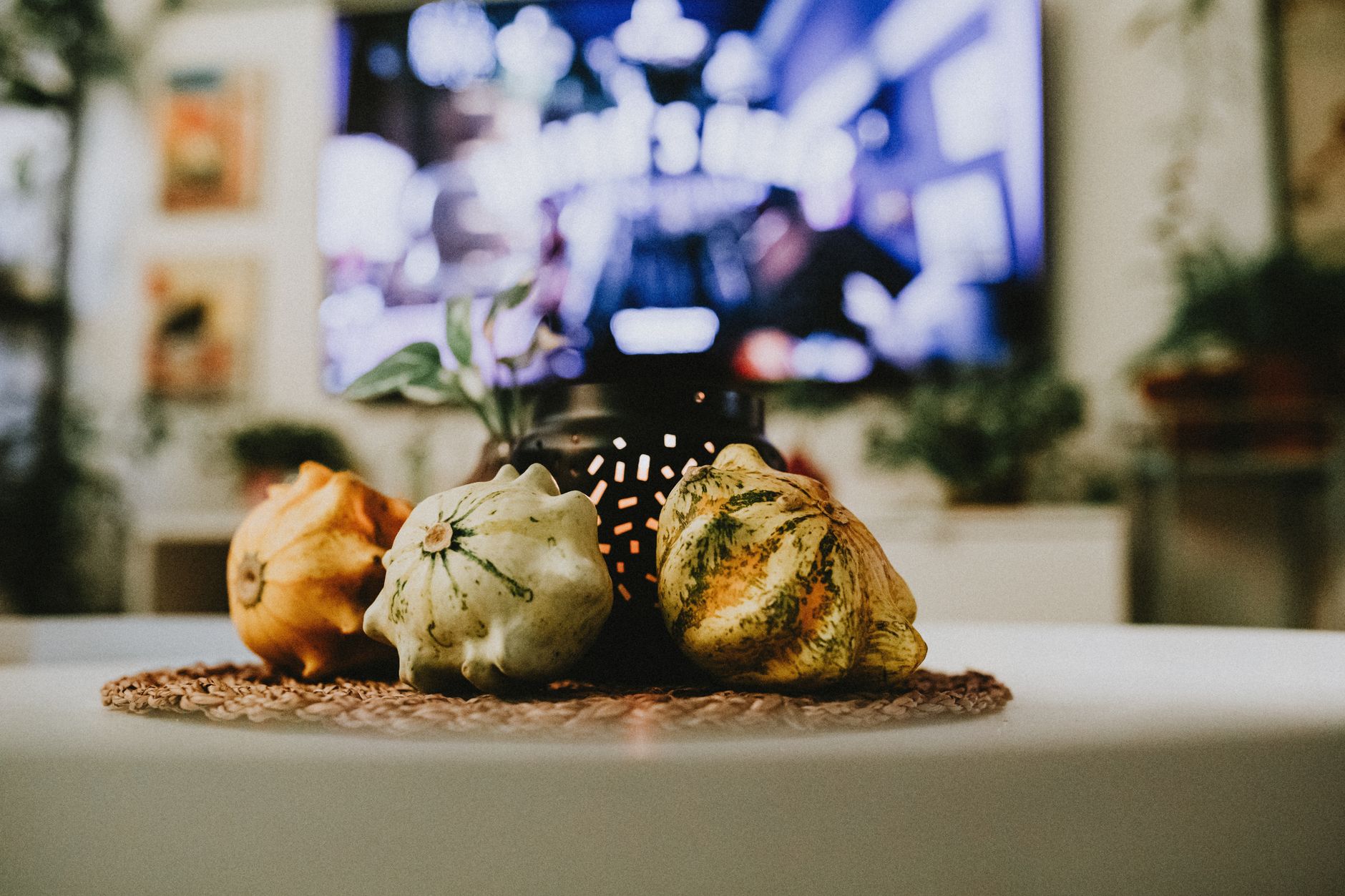
The Rise of the Transition Tree
Late-fall home decor requires navigating a crowded calendar of back-to-back holidays. As October gives way to November, decorators often face the tiring chore of packing away autumn and Halloween displays only to rebuild winter holiday setups from scratch weeks later. Current reporting highlights a more efficient alternative gaining traction for late-fall transitions: the transition tree.
According to design coverage from Ideal Home, transition trees offer a practical solution specifically tailored to this hectic seasonal window. Instead of treating each holiday as an isolated event, a transition tree utilizes a single structural foundation that can be restyled progressively. Homeowners can begin with October foliage and textured autumn stems, then adapt the same base directly into Thanksgiving motifs and eventually Christmas ornaments.
This approach saves storage space and cuts down on setup time, but it requires mindful planning when selecting the initial base. To make a transition tree work smoothly across multiple months, keep the following priorities in mind:
- Choose a neutral foundation: Start with a standard evergreen or a muted faux branch structure that does not lock you into a single holiday aesthetic.
- Layer gradually: Swap out hanging elements in stages—such as trading felt pumpkins or dark foliage for warm metallics and simple winter lights as November progresses.
- Prioritize stability: Ensure heavy-duty branches and integrated electrical lights are securely anchored to prevent tipping or safety hazards as ornaments change.
While the transition tree trend is reported as a prominent focus for late-fall setups, homeowners should note that actual execution times and branch availability vary widely depending on personal collections and regional retail stock. Incorporating this method allows your main focal point to evolve naturally alongside the calendar, keeping your living spaces guest-ready without demanding a total redesign every few weeks.
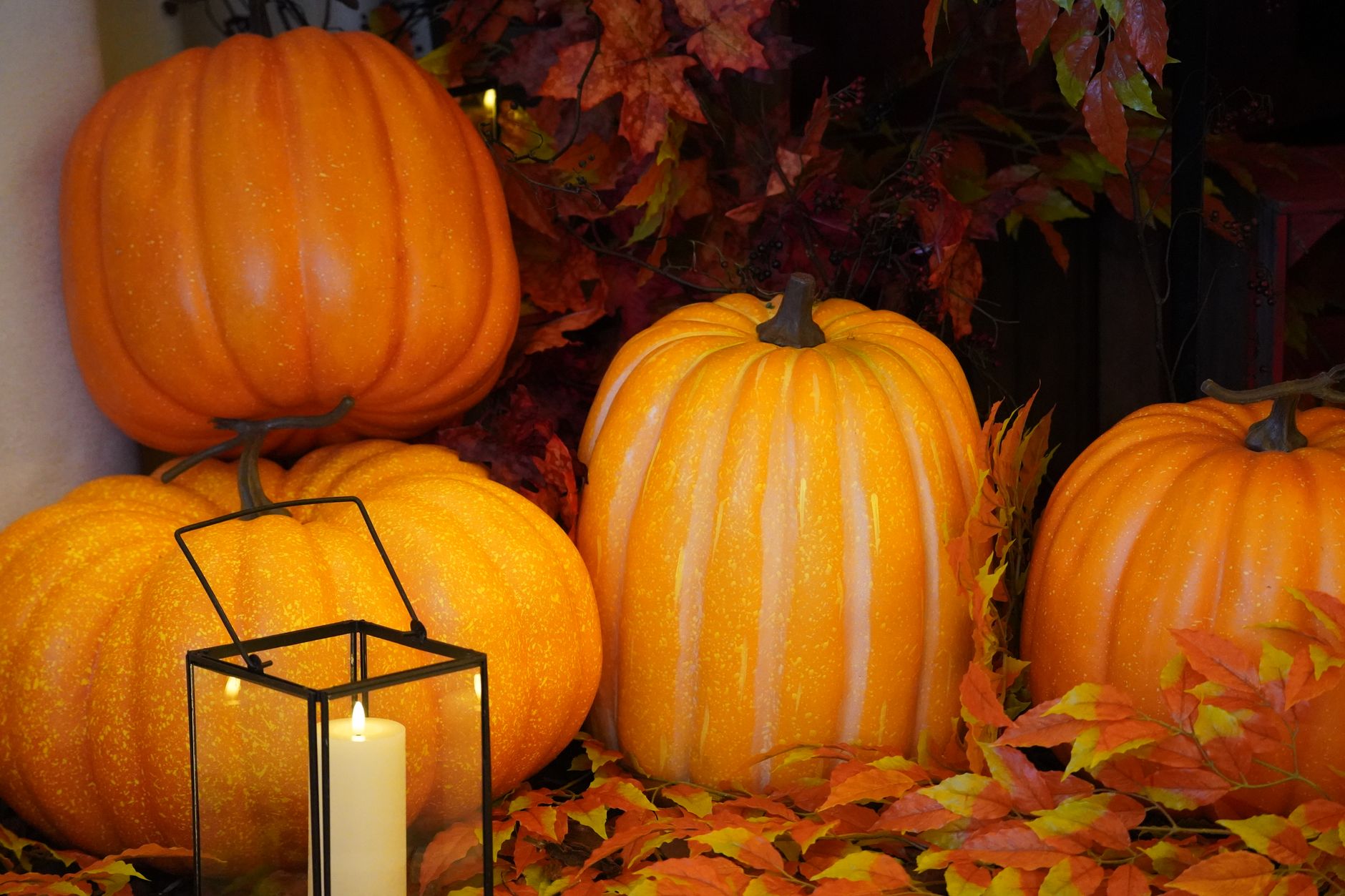
Vase-Led Transformations for Minimal Effort
Vase-Led Transformations for Minimal Effort
As October fades into November, home decorators often face the tedious chore of packing away Halloween displays only to unpack entirely new boxes for Thanksgiving and the winter holidays. Recent interior design reporting highlights a simpler approach: anchoring your seasonal styling around a single, versatile vessel. A vase-led transformation allows you to reuse the exact same neutral container and structural branch framework week after week, minimizing both storage clutter and physical effort.
Instead of redesigning your rooms from scratch, treat your base vase and branches as a permanent architectural armature. Current trend coverage suggests building a foundational arrangement using sturdy bare branches or dried foliage. As the calendar shifts toward late autumn and early winter, you simply swap out the surrounding textiles, delicate stems, mini lights, or selective accents instead of rebuilding the entire centerpiece.
To implement this seamless progression efficiently, follow a straightforward staging strategy:
- October to Early November: Pair your neutral vase and branches with warm, rustic textures, amber glass accents, and deep-toned foliage to echo current autumn trends.
- Mid to Late November: Remove the heavier autumn leaves and transition toward Thanksgiving by wrapping delicate mini lights through the branches or adding subtle metallic touches.
- December and Beyond: Restyle the exact same framework for winter by exchanging autumn stems for frosted pine sprigs, velvet ribbons, or small ornaments.
While this adaptive method saves considerable time, practical safety must remain a priority when modifying seasonal displays. According to general household safety guidance, if you choose to incorporate real candles near your vase arrangements or weave electrical mini lights through dry natural branches, you must always ensure absolute stability to prevent tip-overs. Furthermore, keep live or dried wood well away from open flames and check that light cords are rated for indoor decorative use.
Current reporting suggests that leaning into multi-season anchors reduces end-of-year decorating fatigue. By letting a single neutral vase do the heavy lifting, you create a cohesive visual thread that effortlessly carries your living spaces through the final months of the year without demanding a complete room overhaul every few weeks.
Prioritizing Intentional Guest-Ready Spaces
Preparing a home for Thanksgiving and late-season hosting works best when focused on key functional zones rather than trying to transform the entire house simultaneously. According to home styling guidance, concentrating on welcoming entryways and seasonal tables creates an immediate impact that feels deliberate, uncluttered, and ready for gathering.
Instead of decorating every room at once, late-fall priorities shift toward intentional guest-ready spaces where visitors actually spend time. This targeted approach prevents design fatigue and keeps high-traffic areas functional for socializing and dining.
Consider focusing your late-season hosting preparation around these targeted areas:
- The Entryway: Keep drop zones tidy while adding a subtle seasonal touch, such as a neutral vase with sturdy branches or a textured doormat, to welcome arriving guests.
- The Dining Table: Build a cohesive tablescape using a neutral vessel as a foundation, layering in seasonal stems, candles, and low-profile elements that allow guests to converse easily across the table.
- The Main Gathering Room: Clear surfaces of everyday clutter to make room for serving trays, drinks, or seasonal accents without overcrowding seating areas.
Current reporting on Thanksgiving preparation emphasizes that less is often more when welcoming friends and family. By avoiding the impulse to decorate neglected corners or bedrooms that guests may not enter, hosts can invest more energy into making the main dining and social areas comfortable and inviting.
As you style these primary zones, always prioritize safety and practicality. When incorporating real branches, lit candles, or electrical string lights into your entry or table displays, ensure that vessels are weighted securely and that open flames or heat sources remain well clear of foot traffic, linens, and dry seasonal foliage.
By streamlining your focus onto high-impact areas, your home will effortlessly bridge the gap between casual autumn relaxation and the upcoming formal holiday season, offering a polished, guest-ready environment that feels both effortless and carefully considered.
Balancing Ambience with Fire-Safety Care
As late-fall interiors lean into deeper warmth and layered ambiance, the tactile elements that make a home feel inviting also introduce practical management responsibilities. Current reporting on seasonal styling highlights how quickly environments shift from dried autumn stems and rustic pumpkins toward festive winter lighting and holiday tablescapes. While incorporating these elements creates a welcoming atmosphere, combining electrical strings, open flames, and heavy botanical displays requires careful oversight.
When working with structural natural materials—such as anchoring tall, dried branches inside a central living-room vase—stability is the primary safety priority. Heavy arrangements must be weighted securely at the base to prevent tipping, especially in high-traffic hallways or dining areas where guests gather. Furthermore, dried foliage naturally becomes more brittle as indoor heating runs through late autumn, increasing its flammability if placed too close to active heat sources or open flames.
Managing illumination safely is equally critical as holiday decor begins to overlap with Thanksgiving and early winter preparations:
- Inspect all electrical fairy lights and decorative string cords for frayed wiring, cracked sockets, or loose connections before plugging them in.
- Keep open-flame taper or pillar candles strictly isolated from dry seasonal foliage, paper table runners, and hanging fabric drapery.
- Ensure that extension cords are never run underneath heavy rugs or furniture pieces where heat can become trapped.
- Never leave burning candles or plugged-in decorative lighting unattended, particularly overnight or when leaving the house.
Balancing aesthetic warmth with these fundamental precautions ensures that seasonal transitions remain both beautiful and secure. By taking a deliberate approach to physical stability and electrical checks, households can enjoy late-fall displays without compromising safety.
Streamlining Your Holiday Storage Strategy
Transitioning your home decor efficiently relies on smart organization, especially as late-autumn displays shift toward winter festivities. According to late-October 2026 home reporting, establishing a systematic storage strategy prevents clutter and reduces the friction of seasonal updates. Grouping transitional items together in accessible bins ensures that moving from Thanksgiving elements to upcoming holidays remains a smooth, stress-free process.
Instead of scattering seasonal pieces across different closets, centralize your transitional items. Use clear storage containers labeled for specific moments in the season—such as late-autumn harvest accents, neutral vessels, and early winter lighting. When items that bridge multiple seasons are stored within arm’s reach, you spend less time searching and more time refining your living spaces.
Here is how to streamline your seasonal storage bins:
- Designate a transition bin: Dedicate specific containers exclusively to multi-use items like neutral vases, pillar candles, and versatile branch frameworks that span both autumn and winter.
- Protect fragile stems: Keep dried botanicals, faux foliage, and delicate ornaments in rigid, shallow boxes to prevent crushing between seasonal swaps.
- Consolidate lighting: Store string lights, battery-operated candles, and extra cords neatly wrapped in designated pouches alongside their corresponding decor items.
Current design guidance emphasizes intentional, guest-ready spaces rather than overdecorating every room at once. By keeping your storage organized by function and timeline, you can easily pull out what you need for a focused tablescape or a single transitional tree without unboxing the entire holiday inventory.
As you pack away early-fall decor to make room for Thanksgiving and winter accents, prioritize safety and stability. Ensure that electrical cords, real candles, and weighted branch arrangements are stored with their necessary safety accessories, keeping fire-safety care in mind for when they are brought back out. A well-organized storage system ultimately protects your seasonal investments and makes future styling effortless.
Transitioning Lighting from Amber Glows to Soft White Brilliance
As the late-fall season shifts from harvest gatherings toward winter festivities, your home lighting scheme requires a subtle, intentional evolution. During October and early November, interiors naturally lean toward deep amber glows, flickering candle lanterns, and heavy brass fixtures that echo the earthy, vintage aesthetic of autumn. However, maintaining this exact warmth deep into the winter holiday transition can sometimes make spaces feel overly dark rather than invitingly festive.
To modernize your lighting strategy for 2026, focus on layering fixtures rather than swapping out entire lighting systems all at once. Begin by evaluating the color temperature of your lightbulbs in main entertaining areas and entryways. Transitioning from amber Edison bulbs to a softer, neutral white or warm-dim LED option helps bridge the gap between moody fall aesthetics and the crisp brilliance required for Thanksgiving and December celebrations. Keep vintage candleholders and hurricane lamps anchored on your accent tables, but switch the heavy beeswax or dark orange pillars to unscented cream or ivory taper candles. This simple adjustment brightens the room visually while keeping your foundational decor intact.
Next, incorporate low-profile electrical fairy lights or discreet micro-LED strands into your existing floral arrangements and mantel displays. Rather than hanging bright winter string lights prematurely, weave warm white wire lights through neutral branch frameworks or around tabletop greenery. This adds a gentle, luminous depth that complements early evening gatherings without overwhelming the room. By phasing your illumination gradually—softening shadows first, then introducing clean accent highlights—you create a seamless visual bridge that keeps your living spaces welcoming, cozy, and effortlessly prepared for every phase of the holiday season.
Managing Seasonal Transitions with Multi-Use Table Linens
As your home shifts from the deep, saturated tones of mid-autumn to the warmer gatherings of Thanksgiving and the early-winter holidays, updating heavy textiles can quickly overwhelm storage spaces if you rely on entirely new sets for every micro-season. A more sustainable, streamlined approach focuses on versatile base layers that can bridge multiple months without a complete overhaul. Start with a neutral tablecloth or a sturdy runner in cream, oatmeal, or muted earth tones that acts as a blank canvas for the entire late-autumn and winter stretch. Instead of swapping out foundational linens as the calendar turns from October to November, alter the mood through easily swappable accents like cloth napkins, napkin rings, and smaller table runners or placemats.
During the transition from Halloween and harvest aesthetics toward Thanksgiving gatherings, you can layer copper or rust-colored napkins over your neutral base, pairing them with natural elements like dried wheat or small gourds. As you move closer to winter festivities, simply replace those autumn napkins with forest green, deep plum, or subtle metallic accents, leaving the primary runner or tablecloth in place. This strategy cuts down on laundering and ironing multiple bulky sets of linens while keeping storage bins manageable. When selecting these multi-use textiles, prioritize durable, washable fabrics like linen-cotton blends or heavy-weight cotton that soften with use and withstand frequent seasonal laundering. By anchoring your tablescapes with adaptable foundations, you create a cohesive visual thread that naturally guides your home through the final months of the year with minimal friction and maximum elegance.
Frequently Asked Questions
What is a transition tree and how does it work?
A transition tree is a clever seasonal structure designed to be restyled from autumn or Halloween into Christmas rather than being taken down and rebuilt from scratch. Instead of swapping out an entire display every few weeks, you keep the core branches or frame in place and simply change the surrounding accents. For a late-fall look, you can adorn the branches with warm foliage, amber ornaments, or rustic elements, and then easily transition those same foundational boughs into a festive winter holiday presentation by exchanging the earlier stems for ribbons, twinkling lights, and winter baubles.
How can I update my fall decor for Thanksgiving without starting over?
Updating your home for Thanksgiving without starting over involves focusing on intentional, guest-ready spaces and seasonal tables rather than frantically decorating every single room at once. You can pivot your existing autumn setup by removing specific Halloween motifs and introducing elements that feel welcoming for a sit-down meal. Layering in warm textiles, natural textures, and a thoughtfully curated table centerpiece allows you to refresh the overall atmosphere seamlessly. This targeted approach saves valuable time and energy while ensuring your living areas feel cohesive and properly prepared for hosting family and friends.
What are the best ways to incorporate vintage accents into modern fall spaces?
Incorporating vintage accents into modern fall spaces is all about balancing sleek contemporary lines with rich history and character. You can integrate timeless touches such as antique brass candlesticks, aged ceramic pitchers, or classic glassware alongside minimalist furniture to create a grounded, layered look. Pairing these older pieces with warm textures like heavy wool throws or tactile pottery keeps the overall aesthetic inviting rather than sterile. By mixing eras thoughtfully, your autumn decor feels curated and personal, lending an effortless depth that strictly modern accessories often lack on their own.
How do I keep branch arrangements and candle displays safe?
Keeping branch arrangements and candle displays safe requires careful attention to stability and fire prevention, especially as homes transition into drier late-fall conditions. Always ensure that heavy branches are secured firmly inside a weighted vessel to prevent tipping, and keep all natural foliage well away from open flames. When using real candles, place them on stable, heat-resistant surfaces and never leave them burning unattended near fabrics, dry leaves, or paper decor. For higher-risk areas or busy gathering spaces, consider utilizing electrical lights or battery-operated LED candles to achieve a cozy, warm glow safely.
Which rooms should I prioritize decorating for late-fall gatherings?
When preparing your home for late-fall gatherings, you should prioritize the primary social hubs where guests naturally congregate, such as the entryway, the living room, and the dining area. Focusing your energy on these key zones creates an immediate impact without requiring you to overhaul every corner of the house. You can establish a cohesive seasonal narrative by maintaining a unified palette of warm textures and timeless accents across these main spaces. This strategic approach keeps decorating manageable while ensuring your home feels exceptionally welcoming for visitors throughout the autumn and Thanksgiving season.
Sources and updates
Details can change after the October 24, 2026 research cutoff. Check the linked sources and current local guidance before acting.
- Ideal Home: transition-tree trend (2026-10-18)
- Global News: fall home decor trends (2026-10-20)
- Homes & Gardens: preparing for Thanksgiving (2026-10-21)

Chloe Bennett is an interior stylist and ceramic enthusiast with a passion for curation. She specializes in finding the perfect vases to elevate home spaces, blending contemporary design with vintage aesthetics. Her expert guides help readers select, style, and care for unique vessels that transform ordinary rooms into art.