2026 Decor Checklist: Useful Upgrades Before Winter
Your 2026 decor checklist for useful upgrades before winter focuses on efficient, high-impact changes that prepare your living spaces for the colder months ahead. As home styling pivots from early autumn toward the deeper, layered warmth of Thanksgiving and the winter holidays, current interior guidance emphasizes seasonal versatility over exhaustive room overhauls. Instead of decorating every space from scratch or reinventing your entire layout at once, contemporary seasonal strategies favor intentional, guest-ready arrangements built around enduring textures and adaptable focal points.
This practical transition framework helps you streamline your home preparation by utilizing modular displays that evolve naturally from late-autumn accents into festive winter arrangements. Drawing on current design insights, you can anchor your rooms with warm, vintage-inspired touches and timeless elements that reduce unnecessary clutter and storage strain. The following checklist outlines strategic updates—from adaptable statement trees to multi-season vessels—designed to make your home feel cohesive, welcoming, and winter-ready with minimal effort.

Mastering the Art of the Seasonal Transition Tree
Mastering the Art of the Seasonal Transition Tree
Packing away autumn displays only to pull out entirely new holiday setups requires immense storage space and repeated effort. Current design reporting highlights a smarter approach: the transition tree. Rather than rebuilding displays from scratch, these versatile seasonal structures allow you to restyle the same foundational branches and framework from an autumn or Halloween aesthetic straight into Christmas.
According to current design commentary, a transition tree keeps the core structure intact while shifting the surrounding thematic details. This strategy reduces the physical clutter of storing multiple bulky artificial trees while saving considerable time during the busiest months of the year. By selecting a neutral framework at the outset, you establish a blank canvas that adapts fluidly to changing holidays without looking out of place.
Executing a seamless shift from October through December relies on a staged styling process. Here are the core steps to manage the transition:
- Phase One (October): Anchor the structure with muted harvest tones, moody vintage touches, or subtle Halloween motifs like dark berries, dried florals, or lightweight themed ornaments.
- Phase Two (November): Strip away distinct spooky accents, introducing rich warm textures, amber lighting, and layered natural elements that bridge the gap between fall and Thanksgiving.
- Phase Three (December): Swap out the remaining transitional stems for classic winter foliage, festive ornaments, and holiday lights to complete the final seasonal look.
While reports indicate that this styling method is gaining popularity for its efficiency, exact longevity and durability vary widely depending on the quality of the initial branches and how frequently the structural pieces are handled. Storing extra ornaments safely between phases prevents premature wear and tear.
When incorporating electrical lights or real candles near any branch framework, standard safety precautions remain essential. Always ensure that light strands are rated for your specific setup, check cords for fraying before plugging them in, and keep open flames a safe distance away from dry natural stems or lightweight fabrics. Balancing creativity with safety ensures your transitional display remains secure throughout the entire season.
Layering Warm Textures and Vintage Accents
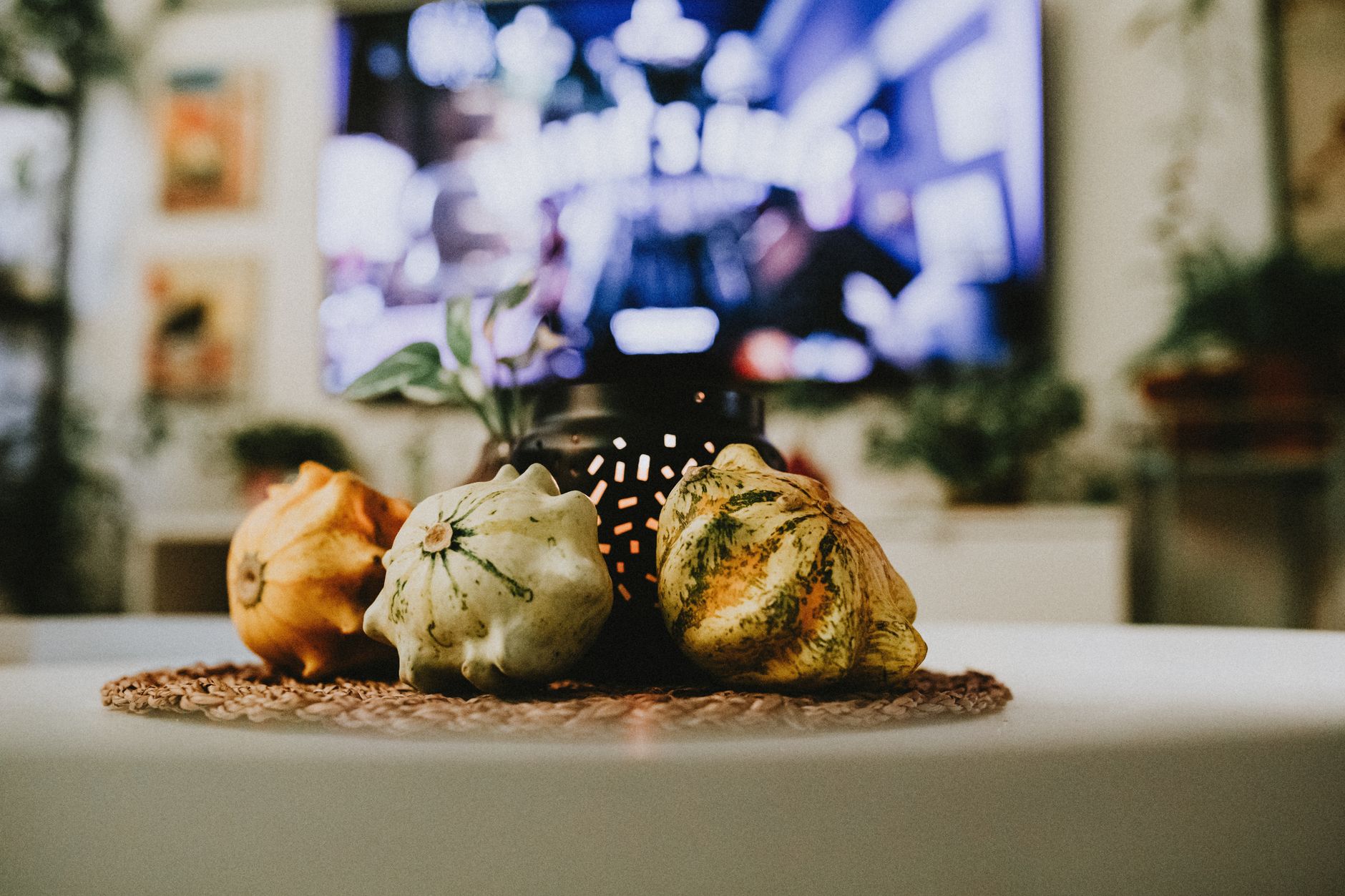
Current seasonal reporting emphasizes the impact of warm textures, vintage touches, and timeless accents when refreshing living spaces for the colder months ahead. Rather than relying on mass-produced novelties that require frequent replacement, incorporating these elements creates an inviting atmosphere that feels collected over time rather than overly trendy.
According to current design coverage, layering is the most effective method for achieving a lived-in, sophisticated look. Start by evaluating your existing textiles and heavy decorative layers to determine where tactile variety is missing.
- Textiles: Introduce heavier woven throws, chunky knit blankets, and tactile cushion covers in rich, earthy hues.
- Vintage Touches: Scour local markets or family collections for aged brass candleholders, antique frames, or heavy ceramic pieces that add historic depth.
- Timeless Accents: Anchor your arrangements with classic materials like unpolished wood, natural stone, and heavy ironware that effortlessly bridge the gap between autumn and deep winter.
While general interior styling advice often suggests overhauling entire color palettes with each seasonal shift, current reporting favors a more restrained approach. By focusing on tactile comfort and enduring materials, your home transitions naturally from late-autumn gatherings into the heart of the winter holidays without requiring a complete design reset.
When selecting vintage items or heavy layered textiles, keep safety and spatial balance in mind. Ensure that open flames from candles placed in vintage holders are kept safely away from loose-knit blankets or dried natural stems. By curating a balanced mix of old and new elements, you establish a warm, grounded foundation that prepares your living areas for the winter season while maintaining everyday usability.
Focusing on Intentional Guest-Ready Spaces
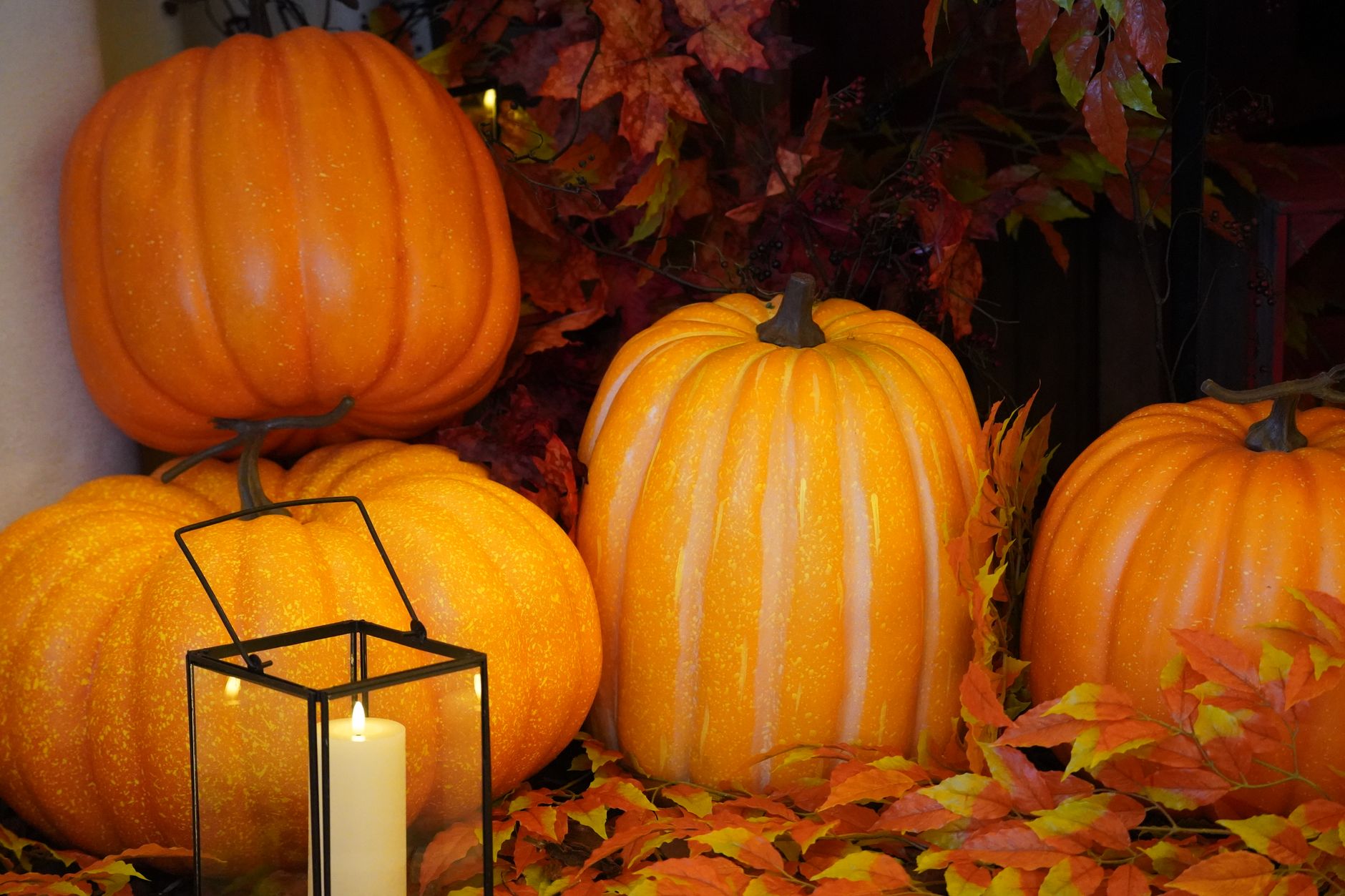
Preparing your home for Thanksgiving and the approaching winter months does not require transforming every room at once. According to current guidance from interior design sources, trying to overhaul an entire house simultaneously can quickly lead to holiday fatigue and cluttered spaces. Instead, focusing on intentional, high-impact zones keeps your seasonal preparation manageable while ensuring your home feels welcoming to visitors.
By concentrating your efforts on primary gathering areas—such as the entryway, the main living room, and the dining table—you create an immediate impression of hospitality without overwhelming your living space. This targeted approach allows you to direct your energy toward functional areas where guests will actually spend their time, making the transition into the festive season feel thoughtful rather than rushed.
Key High-Impact Zones to Prioritize
To streamline your seasonal refresh before winter weather fully sets in, current home preparation advice suggests concentrating on these specific areas:
- The Entryway: Set a welcoming tone right at the front door with a clear drop zone for coats, bags, and winter accessories, paired with a simple seasonal accent like a sturdy vase of bare branches or autumn foliage.
- The Living Room: Focus on comfort by layering warm textures, arranging seating to encourage conversation, and keeping high-traffic pathways free of excess decorative clutter.
- The Dining Area: Prepare your tablescape and serving spaces ahead of time so they function smoothly for holiday meals and casual family gatherings alike.
Design experts note that keeping non-essential rooms neutral or lightly decorated helps anchor the home. When you limit active holiday styling to key transition points, your living spaces remain functional, calm, and easy to tidy. This strategy also gives you the flexibility to adjust your displays gradually as the calendar moves from autumn celebrations straight through to the core winter holidays, ensuring a cohesive look that requires minimal daily maintenance.
Designing a Flexible, Vase-Led Display
A vase-led transition offers a streamlined way to update your home decor across multiple seasons without starting from scratch. By keeping a neutral vessel and a core branch framework as your permanent base, you can easily swap out supporting elements as the weather shifts. This approach minimizes storage clutter and reduces the effort required to pivot your living spaces from early autumn gatherings straight through to mid-winter celebrations.
Current seasonal design reporting highlights the value of adaptable focal points, allowing homeowners to refresh high-visibility surfaces efficiently. Instead of overhauling an entire room every few weeks, you simply alter the peripheral details interacting with your statement vase.
To implement this setup successfully, consider the following structural guidelines:
- Anchor with a neutral vessel: Choose a solid ceramic, terracotta, or muted glass vase that complements both autumn earthy tones and bright winter palettes.
- Establish a sturdy branch framework: Use durable real or artificial branches as your permanent vertical structure, ensuring they are weighted safely inside the container.
- Layer seasonal stems: Insert faux or foraged autumn leaves, berries, or grasses for the harvest months, then swap them for frosted pinecones, evergreen sprigs, or bare white branches when winter arrives.
- Incorporate adaptive accessories: Drape delicate electrical fairy lights, small hanging ornaments, or textured ribbons through the branches as the calendar advances toward the winter holidays.
When working with organic elements like real branches, along with candles or electrical lighting placed near your display, general safety practices always apply. Ensure that electrical cords are rated for indoor use and kept away from flammable dried foliage, and verify that heavy branch arrangements remain securely balanced within the vase to prevent tipping.
While specific safety regulations and product availabilities can vary by region, building a modular, vase-led display remains a practical, efficient strategy for maintaining a polished, seasonal interior throughout the colder months.
Prioritizing Fire Safety and Structural Stability
As seasonal styling shifts from autumn harvests into winter holiday displays, bringing nature indoors with real branches, candles, and electrical illumination adds undeniable warmth to living spaces. According to current seasonal design guidance, however, these elements require careful attention to physical safety and structural stability before the coldest months set in.
When arranging tall stems or heavy branches inside decorative vessels, stability is the first priority. A top-heavy arrangement can easily tip, risking damage to furniture, flooring, or nearby decor. Always ensure heavy branches are anchored securely within sturdy, weighted vessels. If a container feels light or unsteady at the base, consider adding clean stones, floral foam, or specialized weights inside the vase to keep the entire structure grounded before layering in decorative stems or lights.
Lighting and open flames also demand strict precautions as homes close up for winter. Keep open flames, such as taper or pillar candles, safely away from dry foliage, paper garlands, and loose textiles. Furthermore, electrical illumination requires proactive inspection. Always check holiday lighting cords thoroughly for frayed wires, cracked insulation, or loose sockets before plugging them into household outlets. While reporting from October 2026 highlights the convenience of reusable decor systems like transition trees and neutral vessels, any integration of electricity or live elements necessitates ongoing vigilance to protect your home throughout the winter season.
Streamlining Storage for a Clutter-Free Winter
Before bringing out heavy winter textiles and holiday accents for the colder months, audit your current storage areas to clear out remaining summer items. Establishing an organized routine now prevents seasonal items from spilling into main living spaces as the weather shifts. Recent home organization reports emphasize that tackling storage zones proactively is a crucial foundation for managing the influx of autumnal and winter displays without creating visual clutter.
Designating specific, labeled bins for autumn decor makes the transition between seasonal phases seamless. When you can quickly locate where transitional items live, moving from early-fall foliage to late-November centerpieces requires far less physical effort. Industry reporting from October 2026 suggests that streamlining your staging gear helps maintain a calm, intentional atmosphere in your primary rooms, preventing the chaotic accumulation of excess decor.
To optimize your storage system ahead of the winter holiday rush, consider the following practical steps:
- Group items by their seasonal lifespan, keeping transitional elements like neutral vases, candle holders, and foundational branch frameworks accessible in front-row storage.
- Consolidate summer gear—such as lightweight linens, outdoor cushions, and warm-weather accents—into sealed, moisture-resistant containers before retrieving heavier wools and festive ornaments.
- Label every container clearly with its specific contents and intended room placement, minimizing the time spent unboxing and repacking decorative vignettes.
While specific spatial constraints vary by household, general home management guidance indicates that clearing out unused or out-of-season items frees up valuable physical capacity. If certain transitional pieces no longer fit your styling goals, sort them into donation or disposal piles before the heavy winter storage bins take their place.
By establishing dedicated zones for seasonal rotation now, you protect your living areas from unnecessary mess. A well-audited storage closet or shelving unit ensures that switching out textiles, stems, and lighting elements remains an easy, manageable task as winter approaches.
Balancing Lighting and Ambient Moods for Shorter Days
As the autumn equinox gives way to shorter days and early winter evenings, shifting how your home uses light is one of the most effective upgrades you can make. Transitioning from bright summer illumination to a soft, layered glow alters the psychological warmth of a room instantly. Rather than relying on a single overhead fixture, build a hierarchy of light using floor lamps, table lamps with warm-toned bulbs, and strategically placed candles. This approach mimics the cozy atmosphere highlighted in current seasonal design trends while keeping rooms functional and welcoming.
When updating your lighting scheme for the colder months, consider placing light sources at varying heights to eliminate harsh shadows and create depth. Pairing low-wattage warm bulbs with reflective surfaces—such as glass vases, polished brass trays, or vintage mirrors—helps bounce ambient light further into living spaces. If you are incorporating electrical holiday lights or decorative window displays, test strings ahead of time and check cords for fraying or wear before securing them around mantels or banisters.
Candles remain a cornerstone of winter decorating, but safety must guide their placement. Keep burning candles well away from dried foliage, autumn branches, and heavy textiles like throw blankets or drapery. For high-traffic entryways or homes with pets and children, battery-operated LED candles offer the same flickering warmth without the open-flame hazard. By intentionally adjusting your lighting layers now, you prepare your interior for the darker months ahead while highlighting your newly styled textures and seasonal displays.
Adapting Entryways and Mudrooms for Harsh Weather
As autumn transitions into the heavier demands of winter, the entryway or mudroom often bears the immediate brunt of weather changes, mud, and fluctuating temperatures. Shifting your focus to this high-traffic drop zone before the deep winter freeze arrives can dramatically reduce daily clutter while setting a welcoming tone for guests. Start by assessing your current drop-off routines: designate specific, durable zones for heavy coats, wet footwear, and winter accessories like scarves and gloves.
Integrating practical storage solutions—such as moisture-absorbing boot trays, washable entry runners, and sturdy wall-mounted hooks—ensures that incoming moisture and dirt are contained right at the door rather than tracked through the rest of your living spaces. Pair these utilitarian upgrades with understated, seasonally appropriate touches that bridge the gap between fall harvest displays and upcoming winter holidays. A simple ceramic bowl or basket on a console table can collect everyday keys and mail, while a durable, natural-fiber doormat withstands increased foot traffic. By preparing this functional buffer zone ahead of time, you protect interior flooring, streamline daily comings and goings, and maintain a tidy, guest-ready aesthetic right as the colder months set in.
Frequently Asked Questions
What is a transition tree and how does it work?
A transition tree is a clever seasonal structure designed to be restyled from autumn or Halloween straight into Christmas without requiring you to build a display completely from scratch. Instead of taking down your entire setup and starting over every few weeks, you keep the core foundational tree in place. As the calendar moves toward the winter holidays, you simply swap out the specific foliage, ornaments, or themed hanging elements. This approach saves valuable time during a notoriously busy season while maintaining a fresh, curated look in your living spaces as outdoor temperatures drop.
How can I update my fall decor for Thanksgiving without redecorating every room?
Updating your home for Thanksgiving does not require you to decorate every single room at once. Instead, current seasonal preparation guides recommend focusing your energy on intentional, guest-ready spaces and creating a warm, inviting seasonal table as the primary focal point. By concentrating on high-impact areas where family and friends naturally gather, you can create a cohesive holiday atmosphere with far less effort. Select a few key surface areas in the main living or dining zones to layer your favorite autumn accents, leaving private spaces untouched to keep the process manageable and stress-free.
What are the key elements of a vase-led seasonal display?
A vase-led seasonal display relies on reusing a single, versatile neutral vessel as the sturdy anchor for your entire arrangement. You begin with a foundational branch framework that stays consistent throughout the late-year transition. From there, you can easily adapt the aesthetic by swapping out smaller surrounding elements, such as textured seasonal textiles, botanical stems, warm fairy lights, or selective ornaments. This flexible decorating method allows you to shift effortlessly from early autumn vibes to late-season winter holidays while keeping the core silhouette of the display entirely intact in your home.
How do I safely incorporate candles and electrical lights into natural branch arrangements?
Incorporating candles and electrical lights into natural branch arrangements requires careful attention to stability and fundamental fire-safety precautions. Because real branches and dried botanicals can be flammable, you must ensure that open flames are kept safely away from hanging foliage, loose needles, and paper elements. When using electrical lights or candles near natural wood, always verify that cords are in good condition, avoid overloading outlets, and never leave burning candles unattended. Securing your structural branches firmly inside a heavy vase also prevents tipping when you weave delicate illumination through the display.
What home decor trends are defining the late 2026 season?
Late 2026 home decor trends emphasize a thoughtful mix of warm textures, cozy vintage touches, and timeless accents that foster a comfortable indoor environment. Current design coverage highlights displays that bridge the gap between autumn, Halloween, Thanksgiving, and the festive winter holidays through fluid, adaptable styling. Homeowners are increasingly favoring sustainable, reusable decor pieces like transition trees and neutral vase arrangements that can be easily updated over time. This trend toward longevity and understated elegance helps create welcoming, personalized spaces that transition smoothly through every phase of the cooler months.
Sources and updates
Details can change after the October 24, 2026 research cutoff. Check the linked sources and current local guidance before acting.
- Ideal Home: transition-tree trend (2026-10-18)
- Global News: fall home decor trends (2026-10-20)
- Homes & Gardens: preparing for Thanksgiving (2026-10-21)

Chloe Bennett is an interior stylist and ceramic enthusiast with a passion for curation. She specializes in finding the perfect vases to elevate home spaces, blending contemporary design with vintage aesthetics. Her expert guides help readers select, style, and care for unique vessels that transform ordinary rooms into art.