Late-October 2026 Decor: What Buyers and Owners Are Prioritizing
As late-October 2026 unfolds, home buyers and current property owners are shifting away from single-holiday decorating cycles in favor of modular, efficient styling choices. Rather than packing away autumn displays only to rebuild winter setups from scratch, current decor priorities center on multi-functional frameworks, vintage textures, and high-impact focal points that gracefully bridge Halloween, Thanksgiving, and the upcoming winter holidays.
Reflecting demand signals recorded across design coverage published between October 18 and October 21, 2026, home decorators are increasingly investing in adaptable fixtures rather than ephemeral, single-use items. Publications like Ideal Home highlight the rise of transition trees—seasonal structures designed to be restyled rather than rebuilt—while Global News points to a parallel consumer preference for warm textures, vintage touches, and timeless accents. Furthermore, seasonal preparation guides from Homes & Gardens emphasize intentional, guest-ready zones and focused seasonal tables over the exhaustion of decorating every room simultaneously. This editorial explores the concrete ownership habits, flexible vessel arrangements, and essential fire-safety considerations shaping home decor decisions right now.

The Rise of Modular Transition Trees
Covered widely in mid-October 2026 design circles, transition trees represent a major shift in how households manage seasonal storage and assembly time. Rather than purchasing or building entirely new displays for every holiday, owners are utilizing neutral structural branches and evergreen bases that can be restyled over a matter of weeks.
According to current design reporting from mid-October, this modular approach addresses two persistent owner frustrations: the physical labor of repeated takedowns and the bulky storage footprint required for multiple single-season displays. A single display can start with autumn foliage or Halloween motifs in October, transition to harvest elements for Thanksgiving, and end with winter ornaments.
Practically, adopting a modular transition tree relies on specific setup choices made during the late-October decorating window:
- Neutral Foundations: Selecting a base tree or structural branch arrangement in understated green, frosted white, or bare wood that does not lock the display into a single holiday.
- Layered Accessories: Using lightweight clips, ribbons, and stems that can be detached quickly without unwinding complex wiring or structural supports.
- Incremental Swaps: Removing spooky motifs or heavy autumn leaves in stages as November approaches, clearing physical space for upcoming seasonal accents.
While reports indicate strong buyer interest in these flexible structures, homeowners should note that heavy ornamentation changes the weight distribution of the base. Ensuring proper counter-weights or secure anchoring remains essential, especially if households incorporate electrical lights or fragile vintage ornaments into the upper branches during later holiday phases.
Current reporting suggests that this hardware-first mindset is moving beyond artificial trees into broader tabletop and mantel arrangements. By treating the underlying armature as permanent furniture rather than disposable holiday decor, owners reduce seasonal waste while keeping rooms adaptable for hosting immediate guests.

Warm Textures and Vintage Touches in Fall Styling
Warm Textures and Vintage Touches in Fall Styling
Current demand signals across interior coverage emphasize a distinct shift away from mass-produced novelty items toward tactile warmth and historical character. Homeowners and buyers updating their spaces are prioritizing decor elements that offer visual depth, physical comfort, and lasting utility. Rather than leaning on temporary novelties that require frequent replacement, current market preferences focus on pieces that appear lived-in and authentic from the moment they are placed.
Reporting highlights a strong appetite for materials that engage the senses through weight and surface variation:
- Layered textiles: Heavy wools, chunky knits, and woven blankets provide immediate physical comfort while anchoring a room against cooler late-october temperatures.
- Patinated metals: Aged brass, copper, and cast iron introduce historical character and subtle reflection without the starkness of bright, polished finishes.
- Heritage ceramics: Handcrafted pottery and earthenware display distinct imperfections that signal individual craftsmanship over industrial uniformity.
This focus on longevity directly influences how buyers evaluate new acquisitions. Pieces featuring tactile depth are selected specifically for their ability to remain on display across multiple seasonal shifts without feeling dated or tied to a single holiday. A heavy ceramic vase or a distressed metal tray, for instance, transitions easily from a standalone autumn arrangement into a winter display by simply updating the botanical elements inside it.
While specific aesthetic preferences naturally vary by household, current reporting suggests that authenticity remains a primary decision criterion. Owners are investing in items that carry a sense of heritage, favoring weathered surfaces and organic textures that soften clean architectural lines. By prioritizing these enduring accents over transient design fads, buyers reduce storage clutter and build a cohesive collection of foundational decor items designed to last for years of seasonal styling.
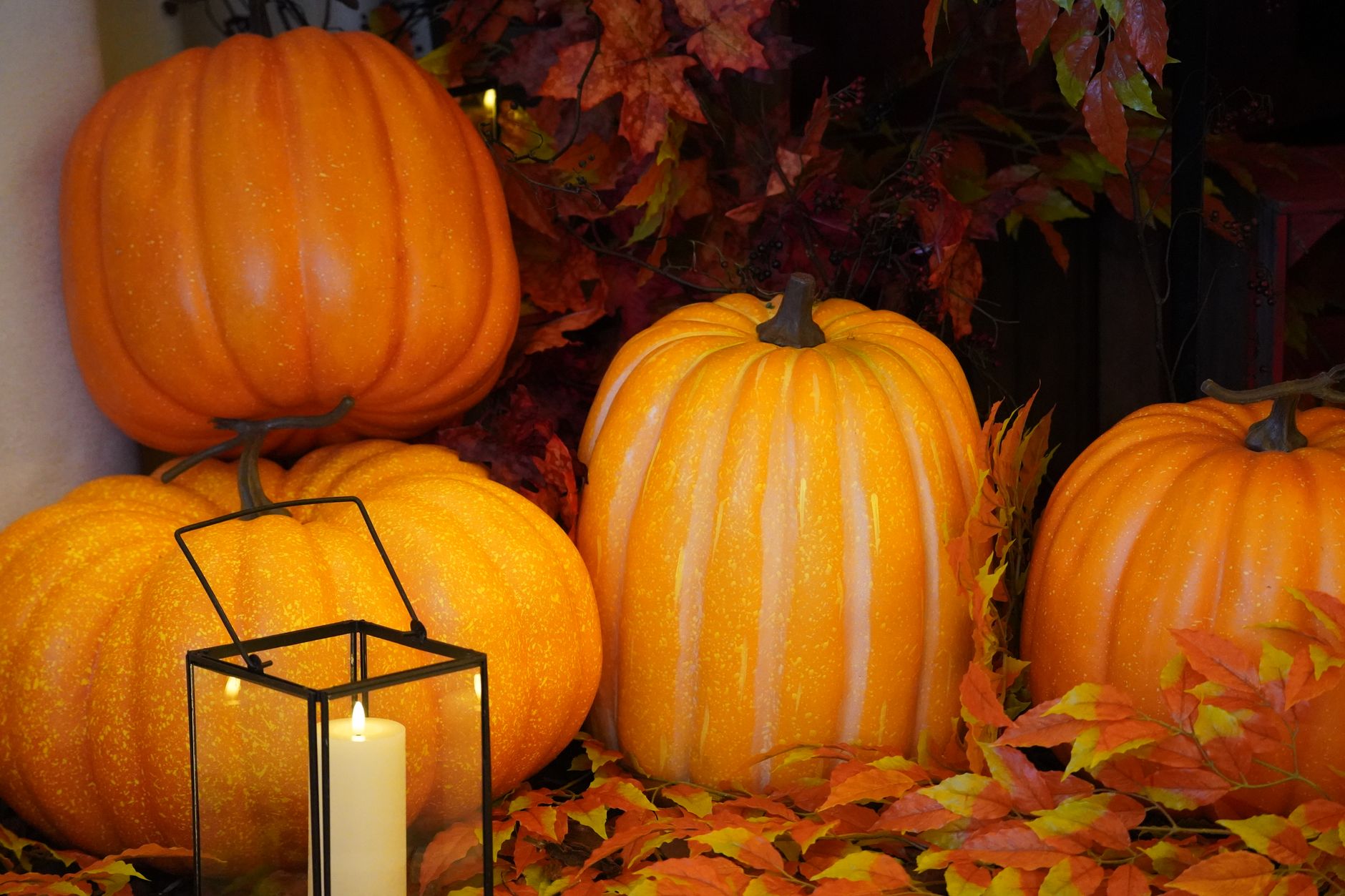
Intentional, Room-Specific Thanksgiving Preparation
As the hosting season approaches in late October 2026, interior guidelines are moving decisively away from exhausting, whole-house decorating overhauls. Instead, current reporting indicates that property owners and buyers are concentrating their time, energy, and budgets strictly on guest-ready focal points.
Rather than attempting to decorate every room simultaneously, the priority is creating a warm, functional atmosphere in high-traffic areas. According to recent seasonal preparation guides from Homes & Gardens published on October 21, 2026, homeowners are streamlining their efforts to refine the dining table and entryway specifically. This targeted approach welcomes late-season visitors efficiently and calmly without cluttering private zones.
To implement this focused strategy successfully, consider these practical decision criteria for your primary hosting zones:
- Prioritize High-Impact Thresholds: Focus your initial setup on the entryway where guests first arrive. Clear away everyday clutter, introduce a durable seasonal mat, and use a single neutral vase filled with sturdy branches to establish an immediate welcoming tone.
- Refine the Dining Experience: Direct your decorating budget toward the dining table rather than secondary spaces. Layer tactile linens, ambient candlelight, and seasonal centerpieces that can transition smoothly from late autumn dinners straight through to Thanksgiving gatherings.
- Adopt a Phased Timeline: Defer deep decorating in bedrooms and upper levels until closer to the winter holidays. Concentrating solely on communal living and dining spaces prevents end-of-October burnout and preserves your hosting energy.
While these recommendations reflect current design reporting, individual hosting schedules and home layouts will naturally dictate your exact timeline. Whether this room-specific method remains the dominant standard for future holiday cycles is yet to be seen, but for now, it offers a pragmatic way to manage both time and seasonal decor budgets effectively.
Vase-Led Transitions for Low-Waste Decorating
A practical cornerstone of late-October styling involves utilizing a single neutral vessel as the anchor for seasonal shifts. By maintaining a foundational branch framework inside a durable vase, owners can easily swap out supporting elements—such as textiles, minor stems, fairy lights, or seasonal ornaments—as the calendar moves forward. This vase-led strategy reduces waste, cuts down on unnecessary purchasing, and streamlines storage management between holidays.
Recent seasonal coverage indicates that homeowners are increasingly looking for ways to streamline their decorating calendars without sacrificing visual impact. Instead of purchasing entirely new collections for every calendar milestone, focusing on a single anchor piece allows for effortless adaptability. A sturdy ceramic, glass, or heavy stoneware vase serves as the central framework, holding natural elements that can bridge multiple seasons.
To implement a successful vase-led transition, consider the following structural approach:
- Establish a neutral anchor: Select a timeless, high-quality vessel in a solid neutral finish that can complement both rustic autumn displays and refined winter tablescapes.
- Build a durable framework: Secure sturdy branches, dried twigs, or preserved stems as the permanent internal skeleton of the arrangement.
- Swap supporting details: Update the surrounding aesthetic by exchanging smaller foliage accents, ribbons, miniature fairy lights, or targeted ornaments rather than dismantling the entire display.
While this method minimizes clutter and resource waste, safety requires careful attention as arrangements evolve. Current reporting emphasizes that real branches, candles, and electrical lights still require stability and strict fire-safety care, particularly as indoor heating systems dry out natural botanicals during the late-autumn transition.
Whether this modular approach will fully replace traditional, single-holiday decorating remains to be seen as consumer habits continue to shift toward practical longevity. However, prioritizing adaptable foundation pieces currently offers a reliable framework for maintaining cohesive, low-waste style from late October through the winter holidays.
Balancing Aesthetics with Practical Safety
As late-October decorating shifts toward layered lighting, natural branches, and prolonged seasonal displays, balancing visual warmth with rigorous safety is becoming a primary decision criterion for property owners. With longer, darker evenings prompting an increase in the use of candles, electrical light strands, and dried botanicals, current reporting highlights the need for structural stability and fire prevention as indoor heating seasons begin.
Real branches and tall seasonal stems arranged in statement vases or structural transition displays demand careful physical anchoring. Unweighted vessels can easily tip under the weight of heavy wood or dense foliage, creating a hazard in high-traffic rooms or households with children and pets. Securing the base of a vase with hidden weights, floral frogs, or stable internal bracing helps prevent accidental falls before holiday ornaments or winter lighting are introduced.
Fire safety requires equal diligence as decorative elements dry out over successive weeks. Current guidelines emphasize several critical precautions for autumn and winter transitions:
- Keep open flames and burning candles entirely clear of dry leaves, pampas grass, paper elements, and fabric runners.
- Inspect all electrical light strands for frayed wiring, cracked sockets, or overloaded circuits before weaving them through branches or centerpieces.
- Never leave candles or plugged-in decorative lighting unattended, particularly overnight or when leaving the house during cooler months.
While reports indicate that consumers are favoring long-lasting, adaptable decor frameworks that carry spaces seamlessly from autumn through the winter holidays, practicality must govern execution. Ensuring that vessels are physically secure and that ignition sources are strictly managed protects both the household and the longevity of the seasonal display.
Decision Criteria for Long-Term Decor Investments
Decision Criteria for Long-Term Decor Investments
Current buyers evaluating prospective purchases in late October are prioritizing long-term versatility and structural durability above single-season novelties. Rather than acquiring items built for a single holiday, homeowners are increasingly scrutinizing how easily a potential piece can bridge multiple calendar events. Current reporting indicates that shoppers want to know whether an object can transition seamlessly from an autumn display into winter festivities without requiring a complete replacement cycle.
When assessing new acquisitions, owners are applying a strict set of evaluation criteria to minimize seasonal clutter and maximize utility:
- Multi-Season Adaptability: Can the item serve distinct functions across autumn, Thanksgiving, and the winter holidays?
- Storage Efficiency: Does the object disassemble, fold, or nest compactly when not in active use?
- Material Resilience: Will the construction withstand repeated handling, packing, and unpacking over multiple years?
This intentional purchasing habit directly addresses the fatigue associated with single-use holiday decor. Homeowners are actively favoring foundational anchor pieces—such as a sturdy neutral vase that can accept autumn foliage, harvest stems, and winter holiday ornaments alike—over fragile or hyper-specific accents. By investing in adaptable vessels and modular frameworks, buyers reduce storage demands while maintaining a cohesive aesthetic throughout the changing months.
Durability remains a core purchasing factor, particularly as decor pieces are handled more frequently during seasonal transitions. It is reported that consumers are closely examining material quality, seeking out finishes that resist chipping, fading, or structural fatigue. While specific product longevity tests vary by manufacturer, general guidance suggests that investing in timeless, high-integrity materials ultimately protects the household budget from annual replacement costs.
Ultimately, this shift toward deliberate decision-making helps owners curate spaces that feel collected rather than commercialized. By prioritizing pieces that offer enduring utility, buyers ensure their home decor investments retain practical value year after year, transforming seasonal decorating from a repetitive chore into a streamlined, sustainable practice.
Storage Strategies for Multi-Season Decor Rotations
Maintaining a streamlined rotation from late-October harvest displays into late-autumn Thanksgiving layouts and winter holiday arrangements requires a deliberate storage strategy. Rather than packing away entire decorative setups in bulky cardboard boxes, buyers and homeowners are prioritizing modular storage containers that match the specific physical dimensions of their seasonal items. Transparent bins equipped with secure latches allow for quick visual audits without opening every container, preventing duplicate purchases of staple accents like candle holders, ribbon spools, and filler stems.
Fragile botanical elements, dried gourds, and delicate glassware benefit from compartmentalized storage boxes with adjustable dividers. Wrapping delicate ceramic pieces in breathable fabric or acid-free paper prevents moisture retention and surface scratching during the months they spend in closets, attics, or garage storage systems. Grouping items by function—such as keeping all table linens in one designated chest and all mantel-specific garlands in another—reduces setup time when transitioning between overlapping holiday phases.
Labeling systems also play a critical role in long-term ownership efficiency. Rather than generalized descriptions like fall decor, effective labeling specifies the exact room or surface destination, such as entryway console or dining centerpiece. This targeted approach simplifies the physical labor of decorating and ensures that decorative investments remain protected, organized, and easily accessible year after year.
Integrating Lighting and Scent Layers for Autumnal Atmosphere
As daylight shortens in late October, buyers and homeowners are increasingly prioritizing multi-sensory layers that enhance both mood and spatial warmth without requiring a complete overhaul of permanent furnishings. Rather than relying on bright overhead fixtures or single-note air fresheners, current decorating approaches focus on a deliberate combination of warm ambient lighting and subtle, grounding autumnal fragrances. This strategy bridges the gap between the spooky ambiance of late October and the cozy, welcoming atmosphere required for November gatherings.
Ambient lighting plays a foundational role in this transition. Layering low-wattage table lamps, flameless pillar candles, and discreet string lights creates pools of soft illumination that highlight architectural features, textured fabrics, and seasonal branch displays. When working with organic materials like dried leaves, harvested branches, or vintage ceramics, softer light sources prevent harsh shadows and draw the eye toward carefully curated vignettes. Homeowners are finding that dimmable lighting elements offer the flexibility to shift a room’s character immediately as evening approaches, creating an inviting backdrop for family dinners or quiet evenings at home.
Simultaneously, scent serves as an invisible yet powerful component of seasonal styling. Choosing subtle aromatic layers—such as cedarwood, amber, baked spices, or crisp fallen leaves—helps anchor the physical decor in the current time of year. Unlike heavy synthetic room sprays that can overwhelm a space, natural beeswax candles, simmer pots, or diffuser reeds provide a steady, understated background fragrance that complements the visual warmth of vintage textiles and heavy earthenware. By integrating lighting and scent thoughtfully, owners can cultivate a deeply immersive seasonal environment that feels both curated and effortlessly livable throughout the autumn months.
Frequently Asked Questions
What is a transition tree and how does it work?
A transition tree is a seasonal display structure designed to be restyled rather than rebuilt from scratch as seasons change. Instead of taking down an entire holiday arrangement after Halloween, owners keep the foundational tree frame in place. The setup works by swapping out specific decorative elements to bridge the gap between autumn holidays, Thanksgiving, and the winter festive period. By changing only the hanging ornaments, garlands, or accent colors, decorators save significant storage space, time, and effort. This versatile approach streamlines the seasonal shift while maintaining a fresh, curated look throughout the late autumn and winter months in your living spaces.
How can I use a single vase for multiple holidays?
A vase-led transition allows you to reuse the exact same neutral vessel and branch framework across multiple holidays without buying new containers. You can easily adapt this single centerpiece by swapping out surrounding textiles, individual stems, accent lights, or small hanging ornaments as the calendar progresses. For an autumn or Halloween look, pair the base with dried leaves or spooky elements. As Thanksgiving and the winter holidays approach, replace those stems with seasonal foliage, berries, or festive baubles. This strategy reduces clutter, lowers replacement costs, and creates a cohesive, evolving decorative anchor point for your dining table or living room surface.
Why are vintage touches popular in late-October decor?
Vintage touches have gained traction in current fall decor coverage because they introduce warmth, character, and a sense of history into living spaces. Homeowners and buyers increasingly favor timeless accents and weathered textures that offer a distinct contrast to mass-produced items. These older or aged elements bring a comforting, grounded atmosphere to rooms as the weather turns colder. Incorporating heirloom pieces or vintage-inspired accessories helps create an inviting environment that feels authentic and personal. This preference reflects a broader shift toward durable, meaningful design choices that transition smoothly from early autumn gatherings right through to major late-year holiday celebrations.
What are the safety concerns when decorating with real branches and candles?
Decorating with real branches, candles, and electrical lights requires careful attention to stability and fire safety, especially as natural materials dry out indoors. Real branches should be securely anchored in heavy vessels to prevent tipping, and they must be kept well away from open flames, fireplaces, and active heat sources. When incorporating real candles into your seasonal displays, always place them on stable, heat-resistant surfaces and never leave them burning unattended near dried foliage, paper decor, or textiles. If you use electrical string lights on natural wood or branches, inspect the cords for damage and avoid overloading wall outlets to minimize electrical hazards during festive gatherings.
How can I prepare my home for guests without decorating every room?
Preparing your home for guests without decorating every room involves focusing your efforts on intentional, high-impact areas rather than overwhelming your entire living space. Guides for Thanksgiving preparation recommend concentrating on welcoming entryways and curated seasonal tables where visitors naturally gather, leaving private areas untouched. This strategic approach saves time, reduces setup fatigue, and creates an organized, guest-ready environment without requiring exhaustive domestic overhauls. By directing attention to communal zones and main dining spaces, you can efficiently establish a warm, celebratory atmosphere that makes visitors feel accommodated while keeping the rest of your household running smoothly and clutter-free.
Sources and updates
Details can change after the October 24, 2026 research cutoff. Check the linked sources and current local guidance before acting.
- Ideal Home: transition-tree trend (2026-10-18)
- Global News: fall home decor trends (2026-10-20)
- Homes & Gardens: preparing for Thanksgiving (2026-10-21)

Chloe Bennett is an interior stylist and ceramic enthusiast with a passion for curation. She specializes in finding the perfect vases to elevate home spaces, blending contemporary design with vintage aesthetics. Her expert guides help readers select, style, and care for unique vessels that transform ordinary rooms into art.