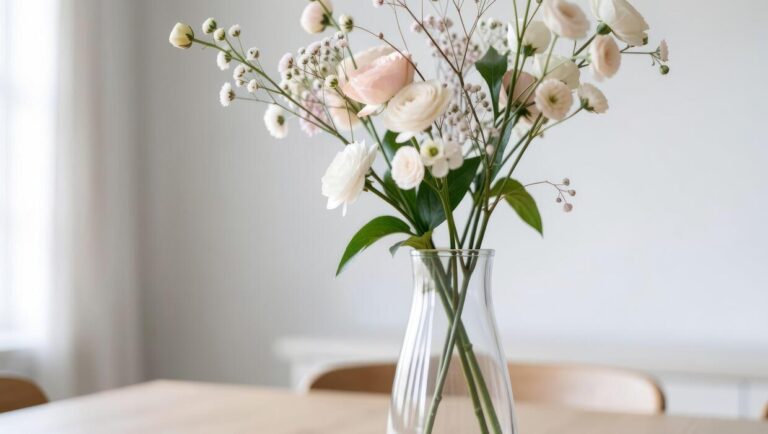
How to Display Lilies in a Vase: 2026 Top Picks
If we want how to display lilies in a vase done beautifully, we start with a clean vase, fresh water, and stems trimmed at an angle. Remove any leaves below the waterline, then let the lilies open in a cool spot with bright, indirect light. Keep the arrangement simple, elegant, and roomy so each bloom can show off.
We found that lilies look best when we give them space to breathe instead of crowding them into a tight bouquet. In our experience, a taller vase with enough water depth helps the stems stay upright, while regular water changes keep the blooms fresher longer. We recommend placing them where airflow is gentle and sunlight is soft.
One insider detail most guides miss: lilies keep opening after they’re cut, so the arrangement changes day by day. That means we should plan for yesterday’s buds to become tomorrow’s focal blooms. A few closed buds near open flowers create a fuller look without overwhelming the vase, and they make the display feel much more alive.
The biggest mistake with how to display lilies in a vase is treating them like any other cut flower. Lilies are heavy bloomers, and if we use a vase that’s too short or overfill it with extras, the stems flop and the flowers tangle.
Another common misconception is that more stems always looks better; with lilies, restraint usually looks more polished.
Below, we’ll walk through the simple choices that make a lily arrangement look intentional instead of random. From vase shape to stem care, we’ve got the practical steps that help lilies open gracefully and last as long as possible.
In This Guide
- How to display lilies in a vase so they open красиво and last longer
- Choosing the right vase, water level, and stem length for lilies
- Lilies in a vase: which varieties look best, and how to group them
- Trimming, stripping, and removing pollen without ruining the blooms
- Arranging lilies with filler flowers and greenery without crowding them
- Keeping cut lilies fresh: water changes, food, and temperature tricks
- Common lily vase mistakes that make the arrangement droop fast
How to display lilies in a vase so they open красиво and last longer
To help lilies open beautifully and last as long as possible, we recommend starting with the buds before they fully unfurl. Trim each stem by 1 to 2 inches at a 45-degree angle, then place them in fresh, room-temperature water immediately.
Remove any leaves that would sit below the waterline, since submerged foliage breaks down quickly and can shorten vase life. This simple prep encourages clean water uptake and fuller blooms.
Placement matters more than many people realize. We suggest keeping lilies away from direct sun, heating vents, ripening fruit, and drafty windows, because all of these can speed up opening and fading. A cooler room, ideally around 60–68°F, gives buds time to open gradually.
If a bloom opens too fast, move the vase to a slightly cooler spot overnight; that small shift often buys you an extra day or two.
Water care is the other half of the equation. Refresh the vase every 2 days, recut the stems lightly, and remove spent stamens if pollen starts shedding onto petals. In our experience, lilies stay fresher when the water is kept clear rather than topped up indefinitely.
If you want the arrangement to look polished, turn the vase a quarter turn daily so the open flowers and tighter buds stay evenly visible from all sides.
Choosing the right vase, water level, and stem length for lilies
For lilies, the vase should feel sturdy rather than decorative-first. We recommend a vessel with a weighted base and a narrow to medium opening, which helps tall stems stay upright without splaying. Clear glass is helpful because it lets us monitor water clarity and stem condition, but ceramic works too if the opening supports the bouquet.
A vase that is about one-third the height of the stems usually gives the best balance.
Water level should be enough to hydrate the stems, but not so high that leaves and soft growth sit underwater. We suggest filling the vase to roughly one-half to two-thirds of stem depth, while keeping all lower foliage stripped clean.
If the stems are especially long, cut them down so the bouquet sits about 1.5 to 2 times the vase height; that ratio tends to look elegant and keeps the arrangement stable.
Stem length changes the whole mood of the display. Shorter cuts create a tighter, more modern look, while longer stems feel airy and dramatic. In our experience, leaving the tallest lily stems at least 6 to 8 inches above the vase rim makes the blooms feel graceful without becoming top-heavy.
If the arrangement leans, recut one or two stems shorter rather than forcing them to stand; that keeps the silhouette natural.
Lilies in a vase: which varieties look best, and how to group them
| Variety | Visual effect | Best grouping style | Display tip |
|---|---|---|---|
| Asiatic lilies | Clean, bright, and compact | Small, modern clusters | Use 3 to 5 stems for a crisp look |
| Oriental lilies | Large blooms with a romantic feel | Loose, statement arrangements | Give each stem space so the flowers can open fully |
| LA hybrid lilies | Balanced size with rich color | Mixed-height groupings | Pair well with greenery for a fuller silhouette |
| Turk’s cap lilies | Textural, nodding, and wild | Naturalistic, garden-style vases | Best in tall vessels that support their arching stems |
When choosing varieties, we find that Asiatic lilies work best for a tidy, contemporary arrangement because they open evenly and hold their shape well. Oriental lilies are better if you want fragrance and dramatic size, but they need more breathing room. LA hybrids sit nicely between the two, offering strong color without overwhelming a table.
For a high-impact centerpiece, mixing one bold variety with one quieter type keeps the arrangement balanced.
Grouping should follow the flower’s natural habit. We recommend odd numbers—3, 5, or 7 stems—because they usually look less staged and more organic. Place tighter buds near the center and let the open blooms sit slightly higher or outward, so the eye moves through the bouquet.
If the lilies are very large, separate them by a few inches; crowded blooms can bruise and close off the arrangement visually.
For the most elegant result, combine lilies with light supporting foliage rather than too many competing flowers. We suggest eucalyptus, ruscus, or a few stems of airy greenery to frame the blooms without stealing attention.
In our experience, the best lily vase arrangements feel intentional but not overworked: a clear focal flower, enough space for movement, and a grouping that lets every bloom be seen from the main viewing angle.
Trimming, stripping, and removing pollen without ruining the blooms
Start by cutting lily stems with a sharp, clean knife or pruners, removing 1 to 2 inches at a 45-degree angle so they can drink efficiently. We recommend trimming them under running water or in a basin, then stripping any leaves that would sit below the waterline.
Those submerged leaves break down quickly, cloud the vase, and shorten vase life far faster than most people realize.
For the best display, handle each stem gently and avoid squeezing the buds, which can bruise petals before they even open. If a bloom is already open, we suggest checking the orange pollen-bearing anthers and removing them with a tissue or small scissors before they shed.
That single step keeps petals cleaner, surfaces stain-free, and the arrangement looking polished for days longer.
It also helps to open the stems one by one as needed rather than stripping every flower at once. Lilies often bloom sequentially, so keeping some buds in place preserves the arrangement’s shape and extends the show.
If a flower is fully open and pollen is visible, pinch or snip the anthers early in the morning, when blooms are fresher and less fragile, for the cleanest result.
Arranging lilies with filler flowers and greenery without crowding them
Because lilies make such a strong focal point, we recommend treating them as the lead actors in the vase. A good rule is to keep lilies at about 60 to 70 percent of the arrangement and use filler flowers and greenery to frame, not compete.
Choose airy companions like baby’s breath, waxflower, or eucalyptus so the blooms still have room to open naturally.
Spacing matters more than density. We suggest placing stems at slightly different heights and angles so the heads don’t form a tight cluster that traps moisture or blocks airflow. If the vase is narrow, limit the number of fillers and use long, graceful greens like ruscus or salal to create shape without crowding the petals.
The goal is a loose, breathable silhouette.
In our experience, lilies look best when each bloom can be seen from multiple sides. Rotate the vase while arranging and leave 1 to 2 inches of visual breathing room around the flowers, especially as buds begin to open.
If you want a fuller look, add texture with small blooms at the base, but keep anything spiky or heavy below the lily faces so the composition stays elegant and balanced.
Keeping cut lilies fresh: water changes, food, and temperature tricks
Fresh water is the biggest factor in lily longevity, so we recommend changing the vase every 2 days and rinsing the container thoroughly each time. Recut the stems by a small amount, about 1/2 inch, to reopen the water channels. Use room-temperature water with flower food if available, since lilies generally take it up more steadily than very cold water.
Flower food helps, but only if it is used correctly. Follow the packet directions closely and avoid overdosing, which can stress the stems. If you run out, a clean vase and fresh water are still better than a murky solution.
We also suggest keeping the arrangement away from direct sun, heaters, appliances, and ripening fruit, since ethylene gas and warm air both speed up fading.
Temperature control is a simple but powerful trick. Lilies last longer in a cool room, ideally around 60 to 68°F, and they benefit from being moved to a cooler spot at night. If a few blooms open faster than the rest, remove fading petals promptly so they do not introduce bacteria into the water.
Clean water, cooler air, and a tidy vase routine are the easiest way to stretch a lily display for nearly a week or more.
Common lily vase mistakes that make the arrangement droop fast
One of the biggest reasons lilies collapse early is poor stem support. If we trim too little, use a vase that’s too short, or crowd the stems, the blooms can’t stay upright once they open and gain weight.
We recommend choosing a vase that supports at least two-thirds of the stem length and giving each stem enough space to move slightly without flopping against the others.
Another common mistake is skipping a proper trim. Lilies absorb water best when the stems are cut at a 45-degree angle with a clean, sharp blade, then recut every few days. Dull scissors crush the stems, which slows hydration and makes drooping more likely.
In our experience, removing any leaves that sit below the waterline also helps, since submerged foliage encourages bacteria that clog the stems faster.
Water quality and placement matter just as much as the vase itself. We suggest using cool, fresh water and changing it every 1 to 2 days, especially when the lilies are fully opening. Avoid putting the arrangement near direct sun, heating vents, or ripening fruit, because heat and ethylene can shorten vase life.
Even a beautifully arranged bouquet will sag quickly if it’s sitting in a warm, stagnant spot.
Frequently Asked Questions
How long do lilies last in a vase?
In our experience, cut lilies usually last about 7 to 14 days in a vase, depending on freshness and care. We’ve found that clean water, a cool location, and regular trimming make a big difference. Removing pollen and fading blooms also helps the arrangement stay attractive longer.
If the water turns cloudy, change it right away to extend the vase life.
Should we remove the pollen from lilies before putting them in a vase?
Yes, we recommend removing the pollen anthers as soon as the blooms open. This helps prevent yellow stains on petals, furniture, and clothing. It can also make the flowers look cleaner and more polished. Use your fingers or small scissors to gently snip them off.
Try to do this carefully, since the pollen can spread easily once the flower is open.
How do we keep lilies from drooping in a vase?
To reduce drooping, we recommend cutting the stems at an angle and placing them in fresh water immediately. Lilies do best in a vase that is tall enough to support the stems. Keep them away from direct sunlight, heat, and ripening fruit. We’ve also found that changing the water every two days helps the stems stay firm and hydrated longer.
What is the best vase for displaying lilies?
A tall, sturdy vase works best for lilies because their stems and blooms can become top-heavy as they open. We prefer a vase with a narrow neck or weighted base to help keep the arrangement upright. Clear glass is a good choice if you want a simple, elegant look, but ceramic or opaque vases work well too.
The main goal is stability and enough room for the stems.
Should we use flower food for lilies in a vase?
Yes, flower food can help lilies stay fresh longer by reducing bacteria and providing nutrients. If the packet is not available, we recommend using clean water and changing it often rather than adding random household ingredients. A fresh stem trim every few days also helps lilies absorb water better.
In our experience, flower food works best when paired with regular vase cleaning.
Final Thoughts
Displaying lilies in a vase is simple once we focus on the basics: clean water, a suitable vase, trimmed stems, and a cool placement. We’ve found that small details like removing pollen and changing the water regularly can make the arrangement look fresher and last longer.
With a little care, lilies become a striking centerpiece that adds elegance and fragrance to any room.
If we want the best results, the next step is easy: choose freshly opened or nearly opened blooms, prepare the stems properly, and check the vase every couple of days. A few minutes of maintenance can keep the flowers looking beautiful much longer.
With these simple habits, we can enjoy lilies at their best and make every display feel more polished and inviting.

Chloe Bennett is an interior stylist and ceramic enthusiast with a passion for curation. She specializes in finding the perfect vases to elevate home spaces, blending contemporary design with vintage aesthetics. Her expert guides help readers select, style, and care for unique vessels that transform ordinary rooms into art.