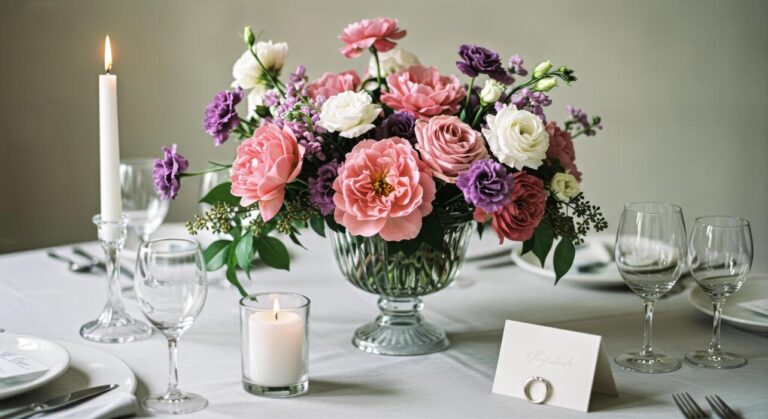
How to Decorate Clear Glass Vases: Reviews 2026
If you’re wondering how to decorate clear glass vases, the easiest approach is to start with a simple look and build from there: add a few well-chosen fillers, flowers, branches, or seasonal accents that match your room. Clear glass works best when we keep the contents intentional, balanced, and visible rather than cramming in too many decorative pieces.
We found that clear glass vases are versatile because they can look elegant, casual, modern, or cozy with just a few changes. In our experience, the best results come from choosing one main style first, then pairing it with fillers, stems, and colors that support that look instead of competing for attention.
One tip most guides skip is to think about the bottom third of the vase as much as the top. What shows through the glass matters just as much as the flowers above it. We recommend hiding cut stems neatly with layered moss, stones, sliced citrus, or even a subtle water tint when the arrangement needs a cleaner finish.
The most common mistake with how to decorate clear glass vases is assuming more equals better. We see people overfill them with mixed colors, oversized fillers, or too many textures, which makes the vase look cluttered fast. Clear glass highlights everything, so every pebble, stem, ribbon, and water line needs to look deliberate.
Below, we’ll walk through the styles, fillers, flower choices, and easy tricks we use to make clear glass vases look polished. From everyday decorating to holiday tables, these ideas will help you create something that feels simple, finished, and easy to update.
In This Guide
- How to Decorate Clear Glass Vases With Layers, Fillers, and Simple Styling Tricks
- Pick a Look First: Minimal, Seasonal, Rustic, or Bold
- The Best Fillers for Clear Glass Vases and How to Combine Them
- Fresh Flowers, Faux Stems, or Branches? What Looks Best in Clear Glass
- Quick Comparison: Vase Fillers, Styles, and Upkeep
- Easy Ways to Decorate Clear Glass Vases for Holidays and Special Events
- Common Decorating Mistakes That Make Clear Glass Vases Look Cluttered
- How to Make Your Clear Glass Vase Arrangement Look Finished, Not Random
How to Decorate Clear Glass Vases With Layers, Fillers, and Simple Styling Tricks
Clear glass vases look best when we treat them like a display frame rather than just a flower holder. A simple way to start is with layering: place larger filler at the bottom, a finer texture in the middle, and one standout element near the top.
For example, we recommend 2 inches of river stones, a band of moss, then a few white shells or dried citrus slices for contrast.
Height and proportion make a bigger difference than most people expect. In our experience, a vase looks balanced when the visible filler takes up about one-third to one-half of the total height, leaving enough open glass to keep the arrangement airy. Add a candle, faux stems, fairy lights, or branches only if they suit the room.
The empty space is part of the design, so resist the urge to overfill.
Small styling tricks can make an inexpensive vase feel custom. We suggest wrapping the neck with jute twine, velvet ribbon, or thin leather cord, or grouping three vases in different heights for a stronger visual impact. Color repetition also helps: if your room already features tan, green, and black, echo those tones in the filler.
That approach makes the vase look intentional instead of like a last-minute centerpiece.
Pick a Look First: Minimal, Seasonal, Rustic, or Bold
Before choosing fillers, it helps to decide on a clear style direction. We recommend narrowing it to four easy looks: minimal, seasonal, rustic, or bold. That one decision simplifies every other choice, from color palette to texture.
A minimal vase might use only white pebbles and one stem, while a bold version could combine colored glass, oversized branches, and metallic accents for a more dramatic statement.
A minimal look works best when we keep the palette tight and the shapes clean. Think clear beads, white sand, black stones, eucalyptus, or a single monstera leaf. Seasonal styling is more flexible and easy to refresh every few months. We suggest spring branches, summer shells, autumn acorns and mini pumpkins, or winter ornaments and pinecones.
Changing the contents, not the vase, keeps decorating affordable and fast.
For cozy spaces, a rustic approach usually feels natural and grounded. Burlap ribbon, moss, twigs, pinecones, and soft neutral fillers all work well together. If the goal is more energy, go bold with saturated color, taller shapes, and contrast like gold plus emerald or black plus amber.
In our experience, it is easier to make a vase look polished when we commit fully to one style instead of mixing all four.
The Best Fillers for Clear Glass Vases and How to Combine Them
The best vase fillers usually bring together texture, scale, and color contrast. We suggest starting with reliable staples such as river rocks, glass gems, sand, preserved moss, shells, marbles, pinecones, dried beans, corks, and faux pearls. Each creates a different mood: stones feel clean, moss softens the look, and shells read coastal instantly.
A good rule is to combine no more than 2 or 3 fillers so the arrangement stays cohesive.
Mixing fillers works best when one element is dominant and the others support it. For instance, we recommend pairing sand with shells for a beachy look, black pebbles with clear beads for something modern, or moss with pinecones and birch pieces for rustic styling. Keep the sizes varied but related.
Too many similarly sized items can look cluttered, while a large-to-small transition creates cleaner layers and stronger visual depth.
Color matters just as much as material, especially in transparent glass. In our experience, fillers look more elevated when we limit the palette to 2 or 3 tones that connect to the room. Neutral combinations like cream, tan, and sage are easy to style, while jewel tones suit dramatic spaces.
We also suggest avoiding anything dusty, faded, or overly bright plastic, because clear glass tends to expose every flaw rather than soften it.
Fresh Flowers, Faux Stems, or Branches? What Looks Best in Clear Glass
Clear glass vases show everything, so the best filler depends on whether you want softness, structure, or long wear. Fresh flowers usually give the most natural movement and color variation, especially in simple cylinder or bud vases. Roses, tulips, hydrangeas, and eucalyptus all look polished because the transparent glass highlights the stems and water line.
In our experience, this option feels the most elevated for dining tables, entry consoles, and everyday styling.
For low-maintenance decorating, faux stems are often the smartest choice, but quality matters more in clear glass than in opaque containers. We suggest choosing stems with realistic color shifts, matte leaves, and wired branches so the arrangement does not look stiff.
A good rule is to use 3 to 7 stems in small to medium vases and keep the height about 1.5 to 2 times the vase height. Less, arranged well, almost always looks better than overfilling.
If you want something architectural, branches create the strongest visual impact with the least effort. Pussy willow, curly willow, cherry blossom branches, or olive stems look especially striking in tall clear glass because you can appreciate the shape from top to bottom. We recommend branches for corners, mantels, and floor vases where flowers may feel too delicate.
For a modern look, keep the vase mostly empty and let just 2 to 5 stems define the silhouette.
Quick Comparison: Vase Fillers, Styles, and Upkeep
| Filler Type | Best Style Effect | Upkeep Level | Best Use |
|---|---|---|---|
| Fresh flowers | Soft, elegant, seasonal | High: change water every 2-3 days | Dining tables, entertaining, gifts |
| Faux stems | Polished, consistent, long-lasting | Low: dust every 1-2 weeks | Everyday decor, shelves, offices |
| Branches | Sculptural, modern, airy | Low to medium: occasional trimming or rinsing | Entryways, floor vases, corners |
| Decorative fillers | Layered, textured, playful | Low: refresh seasonally | Holiday displays, coffee tables, events |
When comparing fillers for clear glass vases, the biggest difference is how visible every detail becomes. Water spots, dusty stems, and tangled branches are much easier to notice, so we recommend matching the filler to the amount of upkeep you realistically want.
Fresh flowers look luxurious but demand regular care, while faux stems and decorative fillers hold their shape for weeks or even months with very little attention.
Style also changes the mood of the room. Fresh blooms tend to feel romantic or classic, especially in rounded clear vases. Branches bring height and a more architectural line, which works well in modern or minimalist spaces. Decorative fillers like lemons, river stones, shells, or ornaments create a more styled, intentional display.
Clear glass works best when the contents have a purpose, not just volume. That is why a restrained arrangement often looks more expensive.
For most homes, we suggest keeping at least two decorating formulas on hand: one vase setup for daily use and one for entertaining or seasonal updates. A simple faux eucalyptus arrangement can stay out year-round, while fresh tulips or holiday fillers can rotate in for special moments.
This approach keeps decorating practical without making your clear glass vases feel repetitive, and it helps you get more use out of different sizes and shapes.
Easy Ways to Decorate Clear Glass Vases for Holidays and Special Events
One of the easiest ways to make a clear glass vase feel festive is to change what goes inside rather than buying new decor. For spring, we recommend lemons, pastel eggs, or fresh tulips. In summer, try sliced limes, seashells, or sand layered with white candles.
Fall works beautifully with mini pinecones, acorns, dried wheat, or tiny pumpkins, while winter often looks best with cranberries, ornaments, fairy lights, or evergreen clippings.
Ribbon, tags, and simple wraps can also transform the outside of the vase in under 10 minutes. A velvet ribbon instantly gives a holiday look, twine feels rustic for fall gatherings, and a narrow satin bow works well for weddings, showers, or dinner parties. We suggest keeping exterior embellishments subtle so the transparency still reads as clean and elegant.
One accent plus one seasonal filler is usually enough for a styled, not crowded, result.
For events, matching the vase shape to the table function makes a noticeable difference. Short clear vases are better for guest conversation because they do not block sight lines, while tall cylinders or trumpet-style vases add drama to buffets and entry tables.
In our experience, repeating the same vase in groups of 3 or 5 creates a more cohesive setup than mixing too many forms. Add battery tea lights nearby, and the glass reflects light beautifully through the whole arrangement.
Common Decorating Mistakes That Make Clear Glass Vases Look Cluttered
One of the biggest problems comes from adding too many filler items at once. Clear glass already shows everything, so stones, beads, water gems, ribbon, and stems can quickly compete for attention. In our experience, limiting the vase to 1 to 2 decorative elements keeps it clean and intentional.
If the flowers are detailed or colorful, we suggest letting the vase stay simpler so the whole arrangement does not feel visually crowded.
Another mistake is ignoring scale. A small bouquet stuffed into a tall cylinder vase often looks lost, while oversized branches in a short round vase can appear top-heavy and messy. The most balanced setups usually follow a simple proportion rule: the full arrangement should be about 1.5 to 2 times the vase height.
That single adjustment makes a display look designed instead of accidental, especially on dining tables or entry consoles.
Cloudy water, visible price stickers, and tangled stems can also make even expensive vases look cluttered. Because glass is transparent, minor details become major distractions. We recommend trimming stems evenly, removing damaged leaves below the waterline, and refreshing water every 2 to 3 days. A quick polish with a microfiber cloth helps too.
Clean structure matters just as much as the flowers, since mess inside the vase reads as mess in the room.
How to Make Your Clear Glass Vase Arrangement Look Finished, Not Random
A finished arrangement usually starts with a clear plan before a single stem goes in. Instead of mixing whatever is available, choose a direction: monochromatic, seasonal, or minimal greenery. We found that working with just 3 elements—such as roses, eucalyptus, and one vase filler—creates a more polished result than using six unrelated pieces.
That restraint gives the eye an obvious focal point and makes the arrangement feel styled rather than thrown together.
Structure is what separates random from refined. Start with your tallest stems to set the height, add medium pieces to build shape, and finish with smaller accents to soften gaps. In our experience, arranging in a loose triangle or rounded dome works well for most clear glass vases.
Even asymmetrical designs need visual balance, so one heavy side should be offset with texture or height on the other rather than left looking unfinished.
The final layer is editing. Once the vase looks mostly complete, step back about 3 to 5 feet and check for awkward spacing, exposed mechanics, or colors that pull too much attention. We recommend removing at least one stem or accent more often than adding another.
A ribbon around the neck, a neatly folded leaf wrap, or consistently spaced stems can give the arrangement that finished look. Small refinements are usually what make it feel deliberate.
Frequently Asked Questions
How can we decorate a clear glass vase without painting it?
There are several easy ways to style a vase without using paint. In our experience, wrapping the vase with twine, ribbon, lace, or removable vinyl gives it personality while keeping the glass intact. We also recommend filling it with decorative elements like pebbles, citrus slices, fairy lights, shells, or seasonal branches.
This approach is ideal if we want to change the look often or avoid permanent alterations.
What can we put in clear glass vases besides flowers?
Clear glass vases work well with much more than fresh blooms. We’ve found that candles, pampas grass, eucalyptus stems, sand, marbles, pinecones, ornaments, and dried botanicals all create attractive displays. For a simple centerpiece, we recommend layering textured fillers such as stones or beads, then adding one sculptural element.
Choosing contents that match the room’s season, color palette, or height scale helps the vase look intentional rather than random.
How do we make a cheap glass vase look expensive?
A budget vase can look high-end with a few thoughtful upgrades. In our experience, the best results come from using minimal styling, a cohesive color scheme, and quality-looking fillers like faux stems, smooth river rocks, or dried branches. We also recommend adding subtle texture with matte spray frost, a narrow velvet ribbon, or a clean metallic accent.
Keeping arrangements balanced and uncluttered usually makes even an inexpensive vase feel more refined.
What kind of paint works best on clear glass vases?
For decorating glass, we recommend using glass paint, acrylic enamel, or spray paint labeled for slick surfaces. In our experience, cleaning the vase thoroughly with rubbing alcohol first helps the paint adhere more evenly. If the vase is decorative only, most craft paints can work when sealed properly.
For a translucent effect, frosted glass spray or stained-glass paint gives a softer finish than standard opaque paint.
How do we decorate clear glass vases for different seasons?
The easiest method is to keep the vase simple and swap the contents through the year. We recommend using fresh greens and citrus in spring, shells or sand in summer, mini pumpkins or dried wheat in fall, and ornaments or fairy lights in winter.
Adding a small seasonal wrap like plaid ribbon, burlap, or metallic cord can reinforce the look without overwhelming the vase. This keeps decorating flexible and affordable.
Final Thoughts
Clear glass vases are some of the most versatile decor pieces we can use at home. They work with nearly any style, from modern and minimal to rustic and seasonal, and they’re easy to refresh without replacing them.
In our experience, the best results come from keeping the design simple, choosing a clear focal point, and using texture, color, or fillers to add interest in a balanced way.
If we’re not sure where to start, begin with one vase and one idea, such as ribbon, paint, or a layered filler arrangement. Small changes often make the biggest visual impact. We’ve found that testing a few looks in different rooms helps us discover what feels most natural, useful, and beautiful in our space.

Chloe Bennett is an interior stylist and ceramic enthusiast with a passion for curation. She specializes in finding the perfect vases to elevate home spaces, blending contemporary design with vintage aesthetics. Her expert guides help readers select, style, and care for unique vessels that transform ordinary rooms into art.