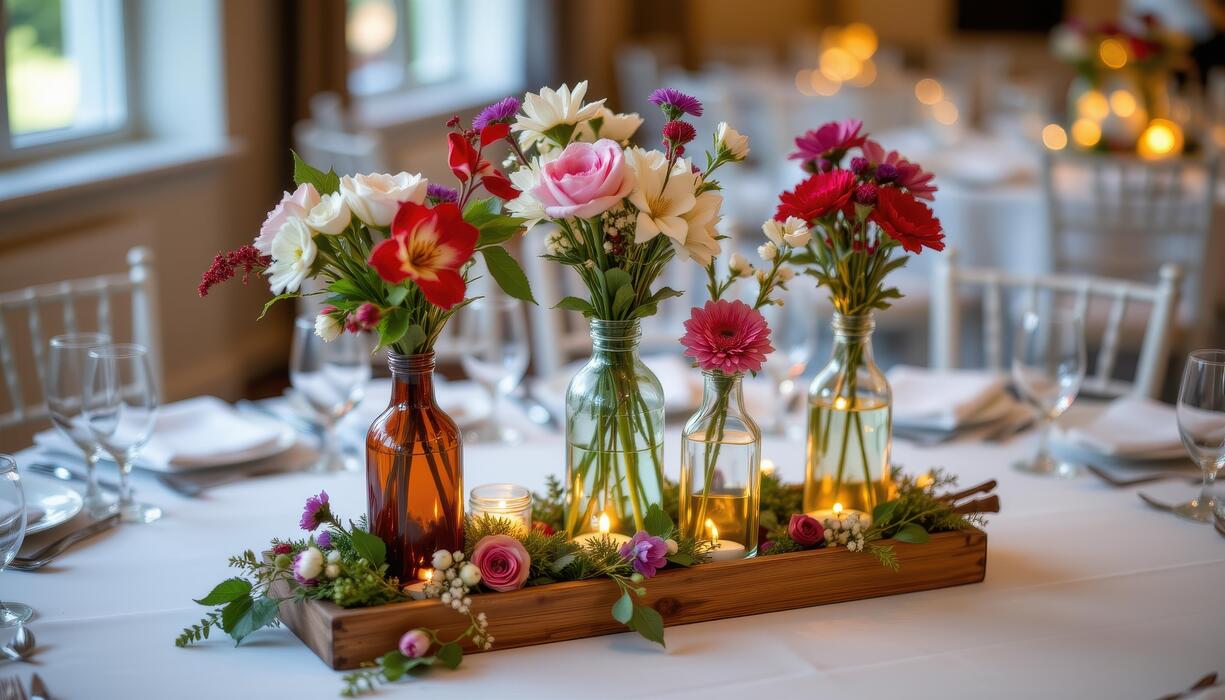
Best 3 Vase Centerpiece Ideas in 2026
Creating stunning 3 vase centerpiece ideas is simpler than you think! We often suggest three main approaches: a graduated trio with varying heights, a cohesive cluster of similar vases for textural appeal, or a sleek linear arrangement that guides the eye. Each method brings unique charm and elegance to any table, transforming ordinary spaces into something special.
In our experience, these particular arrangements work wonders because they naturally create visual interest and dynamic balance. We found that using three elements, whether identical or distinct, offers a pleasing rhythm that’s neither too sparse nor too crowded. We recommend experimenting to find the perfect harmony for your specific aesthetic and occasion.
A specific insight many guides miss is the crucial role of the negative space between your three vases. It’s not just about what’s in them, but the breathing room around them. This intentional spacing prevents clutter and allows each vase to stand out, contributing to a sophisticated, well-thought-out display.
The most common mistake we see is overfilling the vases or making them too uniform in content. People often think more is better, but this can actually detract from the elegance. Instead, focus on thoughtful, minimal arrangements within each vase to let their individual beauty, and the overall grouping, truly shine.
Ready to transform your table with these beautiful concepts? Below, we’ll dive into each of these 3 vase centerpiece ideas with step-by-step guidance, pro tips, and examples. Get ready to create a truly memorable display that will impress all your guests.
In This Guide
The Complete Guide to 3 Vase Centerpiece Ideas
Creating a stunning centerpiece doesn’t have to be complicated, and we’ve found that using a trio of vases offers unparalleled versatility and visual impact. This approach allows for incredible depth and interest, transforming any table into a focal point.
Whether you’re planning an intimate dinner party or a grand celebration, the strategic placement of three distinct vases can elevate your decor significantly, providing a balanced yet dynamic arrangement that captivates.
The magic of the three-vase centerpiece lies in its inherent ability to create a harmonious flow through varying heights, textures, and contents. We always emphasize selecting vases that complement each other, not necessarily match perfectly, to achieve an organic, professional look.
Think about how different floral arrangements or fillers in each vase can tell a cohesive story, drawing the eye across the entire display.
Throughout this guide, we’ll explore various styles, from sleek modern minimalist designs to lush, overflowing rustic arrangements. Understanding the nuances of each style empowers you to choose the perfect combination for your event.
We believe that with a few key principles, anyone can design breathtaking centerpieces that look like they were crafted by a seasoned professional, making your gathering truly memorable.
Everything You Need to Know Before Starting
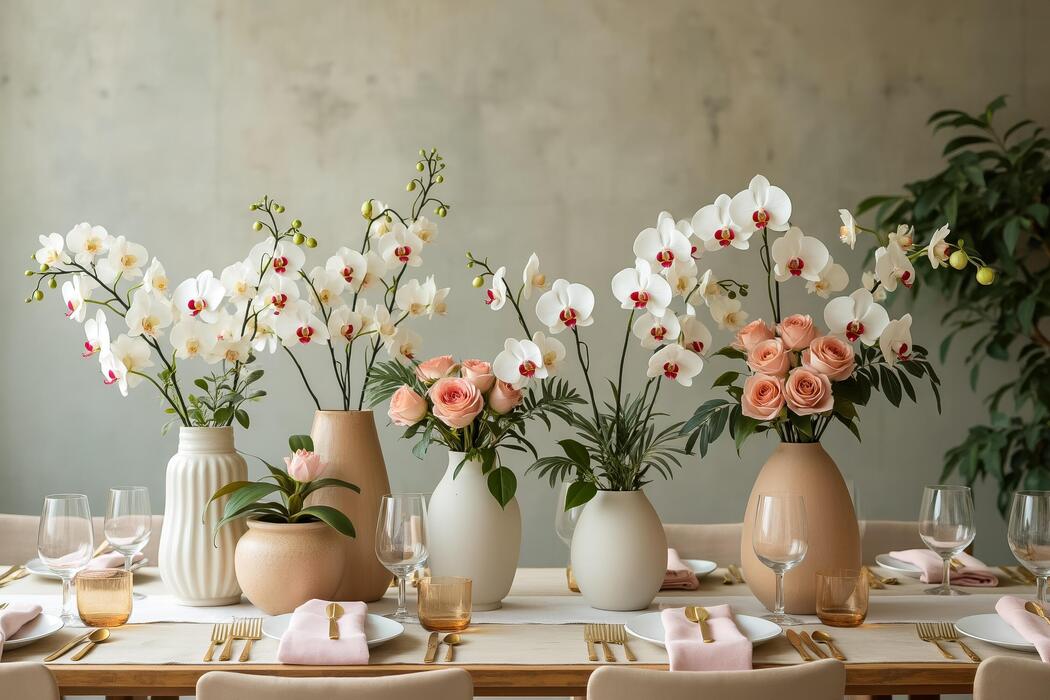
Before diving into the creative process, we recommend taking a moment to consider your event’s overall theme, table dimensions, and desired ambiance. These initial considerations are crucial for guiding your vase and floral selections. For instance, a long banquet table benefits from a more expansive arrangement, while a round dining table might suit a tighter, more intimate grouping.
Budget is often a key factor, and we’ve discovered many ways to create stunning centerpieces without breaking the bank. Consider sourcing unique vases from local thrift stores or craft markets; often, a quick clean and a fresh coat of paint can transform them.
Opting for seasonal flowers or incorporating greenery from your garden can also significantly reduce costs while ensuring freshness.
Achieving visual balance is paramount. We suggest adhering to the “rule of three” not just for the number of vases, but also for creating varied heights and widths within your arrangement. Ensure your centerpiece doesn’t obstruct guests’ views across the table, maintaining an appropriate height for comfortable conversation. Thoughtful proportioning makes all the difference in guest experience.
Step-by-Step Breakdown
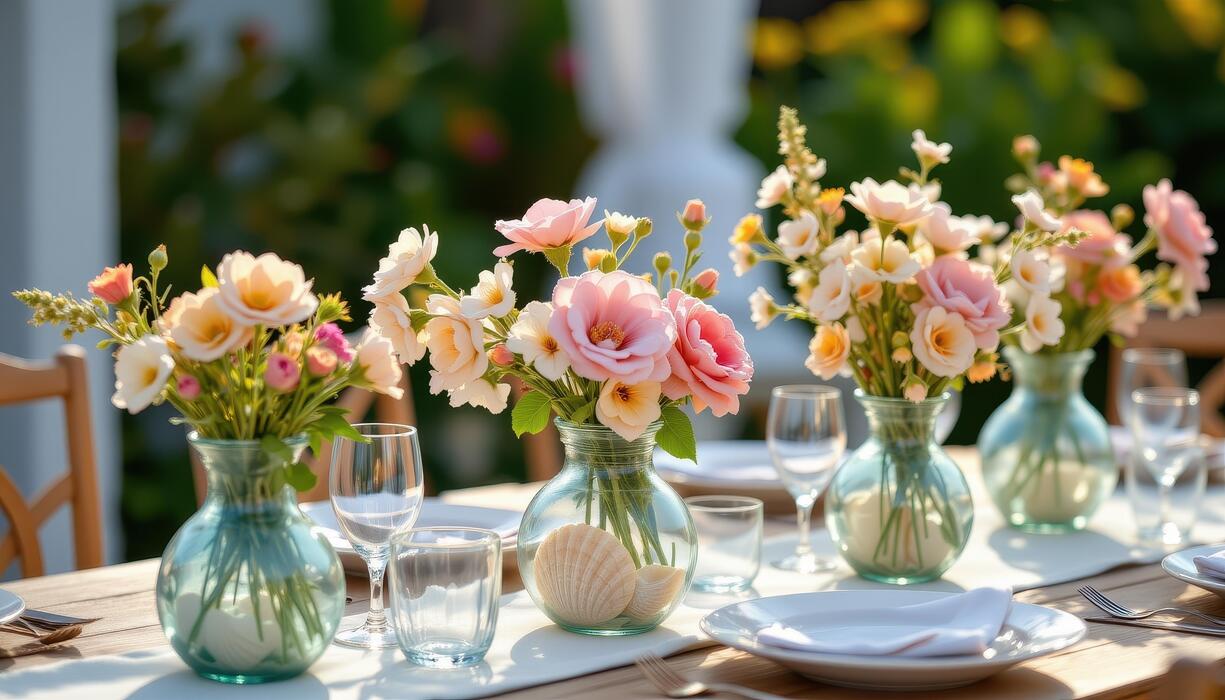
| Style | Key Characteristics | Ideal Occasion | Recommended Elements |
|---|---|---|---|
| Modern Minimalist | Clean lines, geometric shapes, monochromatic palette, often sparse. | Contemporary dinner parties, corporate events, chic brunches. | Glass cylinders, ceramic cubes, single-stem flowers (e.g., calla lilies), branches. |
| Rustic Charm | Natural textures, organic forms, earthy tones, wildflowers, mixed materials. | Farmhouse weddings, casual gatherings, outdoor picnics, autumn events. | Mason jars, wooden boxes, galvanized buckets, wildflowers, burlap, twine. |
| Elegant Classic | Refined symmetry, luxurious blooms, crystal or polished glass, sophisticated. | Formal dinners, anniversaries, high-end weddings, holiday galas. | Crystal vases, mercury glass, roses, lilies, hydrangeas, candlelight, pearls. |
| Bohemian Chic | Eclectic mix, free-flowing, dried elements, vibrant colors, often unconventional. | Outdoor festivals, bohemian weddings, artistic gatherings, relaxed celebrations. | Amber bottles, textured pottery, pampas grass, dried palms, protea, macrame. |
While the table above outlines distinct styles, remember that the underlying principles of arrangement remain consistent across all designs. Our first step involves selecting vases that complement your chosen aesthetic, paying close attention to their materials, shapes, and sizes.
We recommend acquiring vases in a variety of heights – typically 6, 9, and 12 inches – to create immediate visual interest and depth.
Next, focus on filling your vases strategically. For a dynamic look, we suggest placing the tallest vase towards the center or slightly off-center, then arranging the two shorter vases around it. Experiment with different fillers: a lush floral arrangement in one, simple greenery in another, and perhaps floating candles or decorative stones in the third. This variation prevents monotony.
Finally, don’t overlook the power of finishing touches. We often find that adding complementary elements like tea lights, scattered petals, or a carefully chosen table runner can significantly elevate the entire centerpiece. Remember, personalization is key; let your creativity shine through by incorporating elements that reflect your unique style and the event’s theme.
Common Mistakes People Make with 3 Vase Centerpiece Ideas
One of the most common missteps we observe is neglecting scale and proportion. People often choose vases that are either too small, getting lost on a large dining table, or too large, overwhelming a more intimate setting. A successful three-vase arrangement should complement the table size, not compete with it, ensuring visual balance and harmony for your space.
Another frequent error involves the selection and quantity of fillers. We’ve seen centerpieces where the flowers or decorative elements are either sparse, making the vases look empty, or excessively crammed, creating a chaotic, overgrown appearance. Achieving the right balance of filler volume, color, and texture is crucial for a polished and inviting presentation.
A critical oversight is failing to consider sightlines. Many beautiful centerpieces inadvertently block guests’ views across the table, hindering conversation and interaction. We always recommend ensuring your vases, especially the tallest one, are either low enough to see over or slender enough to see through, preserving a comfortable dining experience for everyone.
Pro Tips That Make a Real Difference
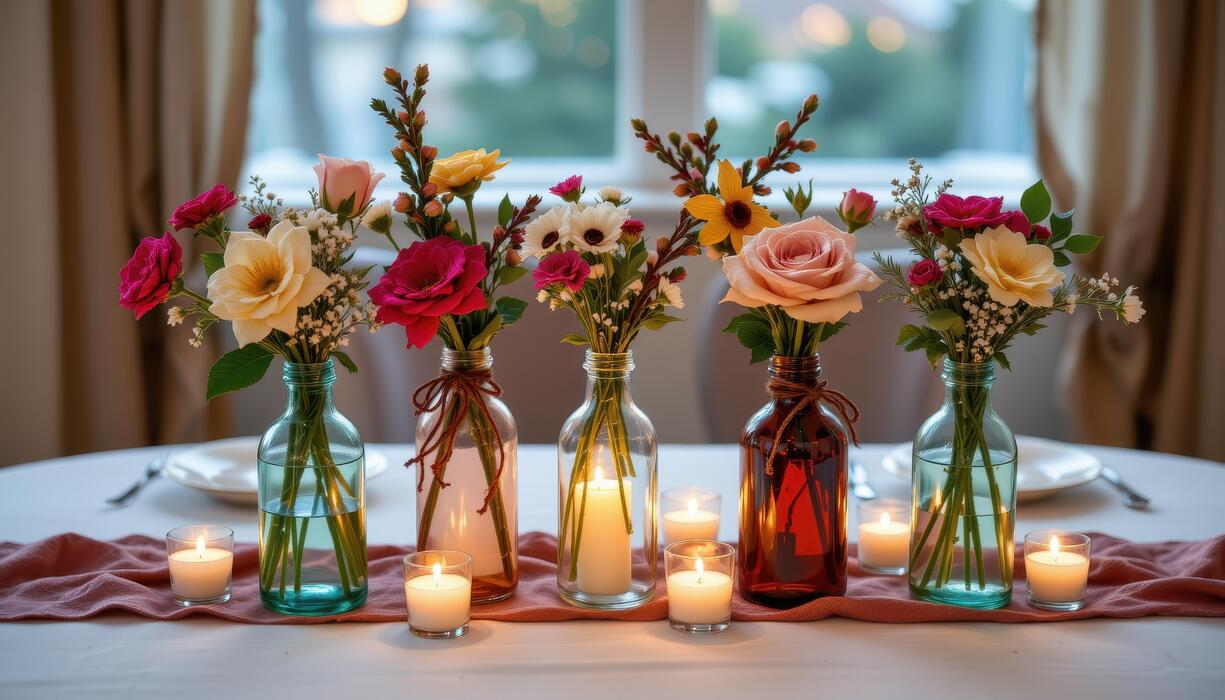
For truly impactful three-vase centerpieces, we strongly advocate for varying heights and shapes. Rather than three identical vessels, select vases that offer distinct yet complementary profiles—perhaps one tall and slender, one medium and cylindrical, and one short and sculptural. This dynamic interplay creates visual interest and a professional, layered aesthetic that immediately elevates your arrangement.
Achieving cohesion is paramount, even when mixing elements. We suggest choosing a unifying theme or color palette that ties all three vases together, whether it’s a specific flower type, a consistent color family, or a shared material like mercury glass or distressed wood. This deliberate connection ensures the individual vases form a harmonious, singular statement rather than disparate objects.
Always consider the context of your centerpiece. A casual brunch demands a different approach than a formal dinner party. For a relaxed setting, we might opt for simple greenery and wildflowers, while a more elegant affair could call for elaborate blooms and crystal vases. Tailoring your selection to the occasion ensures your centerpiece feels appropriate and effortlessly stylish.
Frequently Asked Questions About 3 Vase Centerpiece Ideas
What are the ideal heights for three vases in a centerpiece? We generally recommend a “rule of three” for heights to create visual interest: one tall (e.g., 10-12 inches), one medium (e.g., 7-9 inches), and one short (e.g., 4-6 inches). This variation adds depth and prevents a flat, monotonous look, guiding the eye across the arrangement smoothly.
How far apart should the vases be placed on the table? The spacing largely depends on your table size and the vases’ dimensions. For a standard dining table, we often suggest placing them equidistantly, about 4-6 inches apart, or grouping two closer together with the third slightly offset for an asymmetrical balance. Ensure there’s ample room for place settings.
Can I mix different vase styles or materials in one centerpiece? Absolutely, and we encourage it for added character! Mixing styles—like combining a ceramic vase with a glass one and a metallic option—can create a wonderfully eclectic yet sophisticated display.
The key is to find a common thread, such as a consistent color scheme or filler type, to maintain overall harmony and avoid a disjointed appearance.
Frequently Asked Questions
What kind of vases are best for centerpieces?
We’ve found that a mix of shapes and sizes often creates the most dynamic look. Consider traditional cylindrical or hourglass vases for classic arrangements, or opt for more modern geometric or bud vases for a contemporary feel. The best choice depends on your table size and the overall aesthetic you’re aiming for. We recommend ensuring they complement your decor.
How do I choose flowers for my vase centerpiece?
When selecting flowers, we suggest considering the event’s theme and color palette first. For a cohesive look, we often combine a focal flower, like roses or hydrangeas, with complementary filler flowers such as baby’s breath or eucalyptus. We also recommend choosing flowers with varying textures and heights to add depth and interest to your arrangement.
Should all three vases be the same height?
Not at all! In fact, we often recommend varying the heights of your three vases to create a more visually engaging centerpiece. An arrangement with one tall, one medium, and one shorter vase adds dimension and prevents the display from looking flat. This technique, known as using varying elevations, guides the eye naturally across the arrangement.
What non-floral items can I use in vase centerpieces?
We’ve seen beautiful centerpieces created with a variety of non-floral elements. Consider using floating candles for a romantic glow, or fill vases with decorative stones, water beads, or even sliced citrus fruits for a fresh look. For a rustic touch, we often incorporate branches, pinecones, or fairy lights. These additions can transform your centerpiece.
How do I arrange three vases effectively?
We find that the most effective arrangement typically involves placing the tallest vase in the center or slightly off-center, flanked by the two shorter vases. Creating a triangular formation or an asymmetrical cluster often works best. We also advise ensuring enough space between them to prevent overcrowding while maintaining a cohesive visual flow. Balance is key.
Final Thoughts
We’ve explored how three vases can transform any table setting, offering versatility and elegance. Whether you prefer a minimalist look or a lush botanical display, the power of three allows for creative expression. We believe these ideas provide a solid foundation for crafting centerpieces that reflect your personal style and enhance the ambiance of your space.
It’s about combining elements thoughtfully.
Now that we’ve shared these inspiring concepts, we encourage you to experiment! Don’t be afraid to mix and match vase styles, play with different floral combinations, or incorporate unique non-floral elements. We recommend gathering a few vases and trying out various arrangements to discover what truly speaks to your aesthetic. Your perfect centerpiece awaits your creativity.

Chloe Bennett is an interior stylist and ceramic enthusiast with a passion for curation. She specializes in finding the perfect vases to elevate home spaces, blending contemporary design with vintage aesthetics. Her expert guides help readers select, style, and care for unique vessels that transform ordinary rooms into art.