Decor Trends to Watch in Late 2026
Decor trends to watch in late 2026 center on seamless transitions that carry interiors gracefully from autumn and Halloween through Thanksgiving and the winter holidays. Rather than executing a total design overhaul for every distinct calendar date, current styling favors fluid structures and multi-functional statement pieces that can be restyled over several months.
As the calendar moves toward the end of the year, interior design shifts focus from standalone seasonal updates to fluid, multi-holiday styling. Late-year decorating requires balancing warmth, hospitality, and efficiency, guiding your home smoothly from autumn and Halloween through Thanksgiving and winter celebrations without the need for constant, total overhauls. Achieving this continuity relies on warm textures, vintage touches, and intentional guest spaces rather than rushing to decorate every room at once. To help you navigate these shifting seasonal priorities, a practical decision framework can streamline your approach, highlighting adaptable focal points like transitional trees and multi-use vessels that reduce setup fatigue while keeping your living spaces inviting.

Embracing the Shift from Autumn to Winter
Late October home decor coverage highlights displays designed to transition gracefully across multiple holidays. Rather than packing away decorations after Halloween only to start fresh for Christmas, current styling emphasizes foundational elements that adapt over time to save effort and reduce clutter.
According to design reporting from mid-October 2026, transitioning spaces efficiently helps manage the busy holiday calendar. Global News notes a broader seasonal shift favoring warm textures, vintage touches, and timeless accents, establishing a cozy baseline that works well beyond a single holiday.
One notable styling method reported by Ideal Home involves transition trees. These are seasonal structures designed to be restyled from autumn or Halloween themes into Christmas decor rather than being built from scratch each time.
To implement this shifting approach without overwhelming your living spaces, interior guidance from Homes & Gardens advises focusing on intentional guest-ready areas and seasonal tables instead of attempting to decorate every room in the house at once.
Here are practical ways to build an adaptable seasonal display:
- Start with a neutral vessel: A vase-led transition can reuse the same foundational container and branch framework while you swap out textiles, stems, lights, or ornaments over the coming months.
- Layer warm textiles: Integrate heavier throws and vintage-inspired fabrics that provide visual warmth for fall and remain appropriate as winter approaches.
- Incorporate ambient lighting: Combine candles and electrical lights to bridge the gap between autumn evenings and festive winter gatherings.
Safety note: Real branches, candles, and electrical lights still require careful attention to stability and fire-safety precautions, particularly as seasonal displays remain in place for extended periods.
The Rise of the Transition Tree
The Rise of the Transition Tree
Recent reporting from Ideal Home highlights a clever structural shift in late-season decorating: the emergence of the transition tree. Rather than building, dismantling, and storing entirely separate displays for every single holiday on the calendar, this approach relies on a single, versatile seasonal framework. You set up the base structure once and simply restyle it as the calendar moves forward, adapting it from early autumn leaves or spooky Halloween motifs straight into winter and Christmas aesthetics by swapping out select decorative accents.
Adopting this method can significantly reduce storage clutter and cut down on the physical labor of seasonal room flips. Instead of boxing up a full tree after October ends and pulling out a brand-new one weeks later, you leave the core branches and lights intact. The secret lies in choosing a neutral foundational tree—often an artificial pine or a bare twig structure—that can effortlessly bridge different phases of the holiday season without looking out of place.
How to Style a Transition Tree
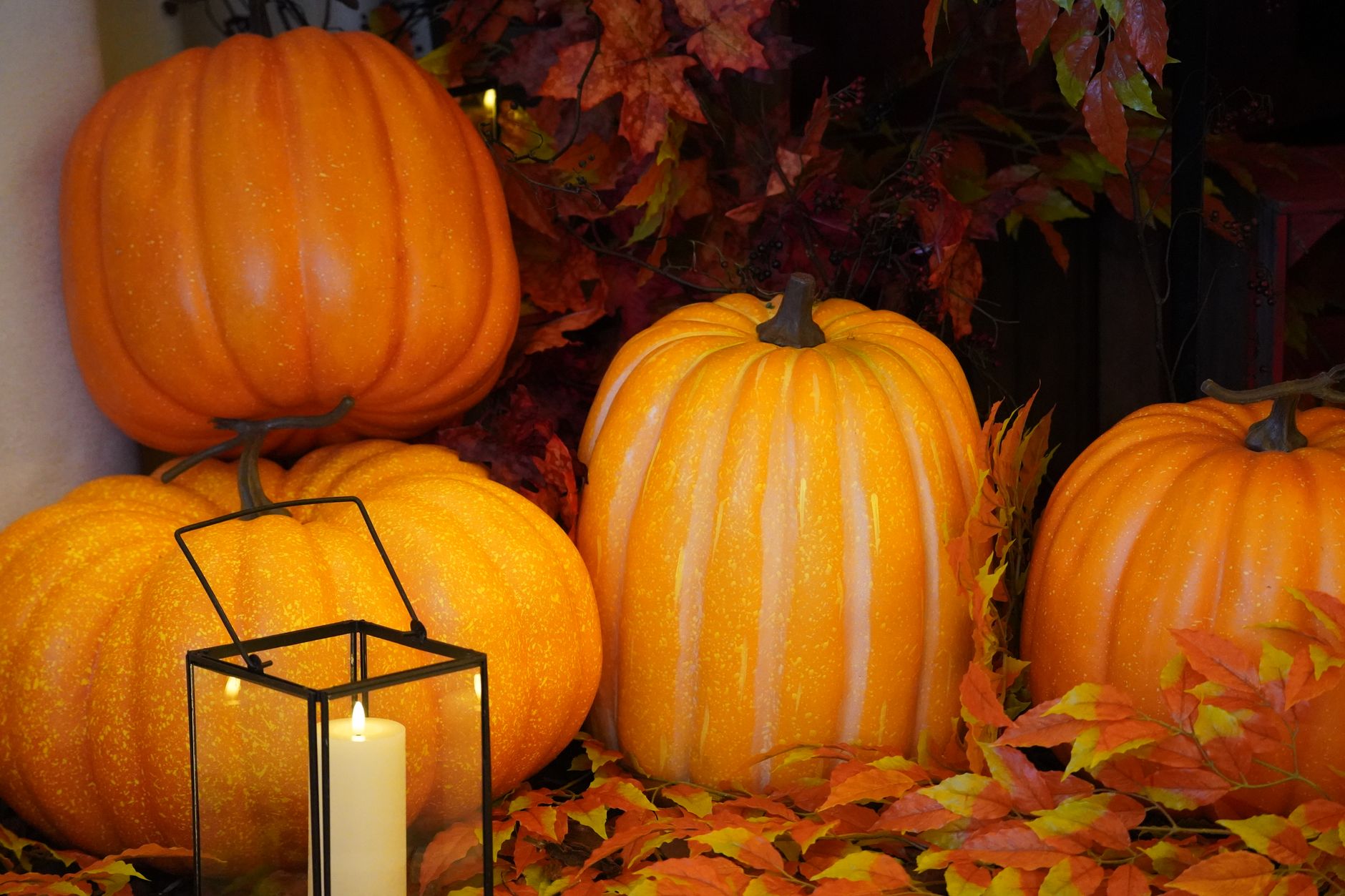
- October Phase: Adorn the branches with rich amber leaves, velvet pumpkins, dark florals, or subtle Halloween ornaments that capture an autumnal mood.
- November Bridge: Remove the spooky motifs and introduce dried botanical stems, warm metallic ribbons, pinecones, and muted earth tones to signal a transition toward Thanksgiving.
- December Shift: Layer in traditional winter elements like twinkling string lights, glass baubles, faux snow, or classic ornaments to complete the holiday look.
While current home trends point toward these multi-purpose displays, it remains unproven whether pre-lit artificial trees designed for year-round adaptability last longer than traditional single-season models under frequent ornament swaps. When handling complex branch frameworks or adding extra electrical lights for winter transformations, practical safety precautions remain essential. Always ensure that heavy ornaments are securely balanced so the structure does not tip, and keep any decorative candles or electrical cords clear of flammable foliage.
By focusing your energy on modular updates rather than total overhauls, you can keep your living spaces feeling fresh and responsive to the changing months with minimal stress. This steady evolution of a single display offers an efficient way to honor each late-year holiday while keeping your home organized and welcoming.
Layering Warm Textures and Vintage Touches
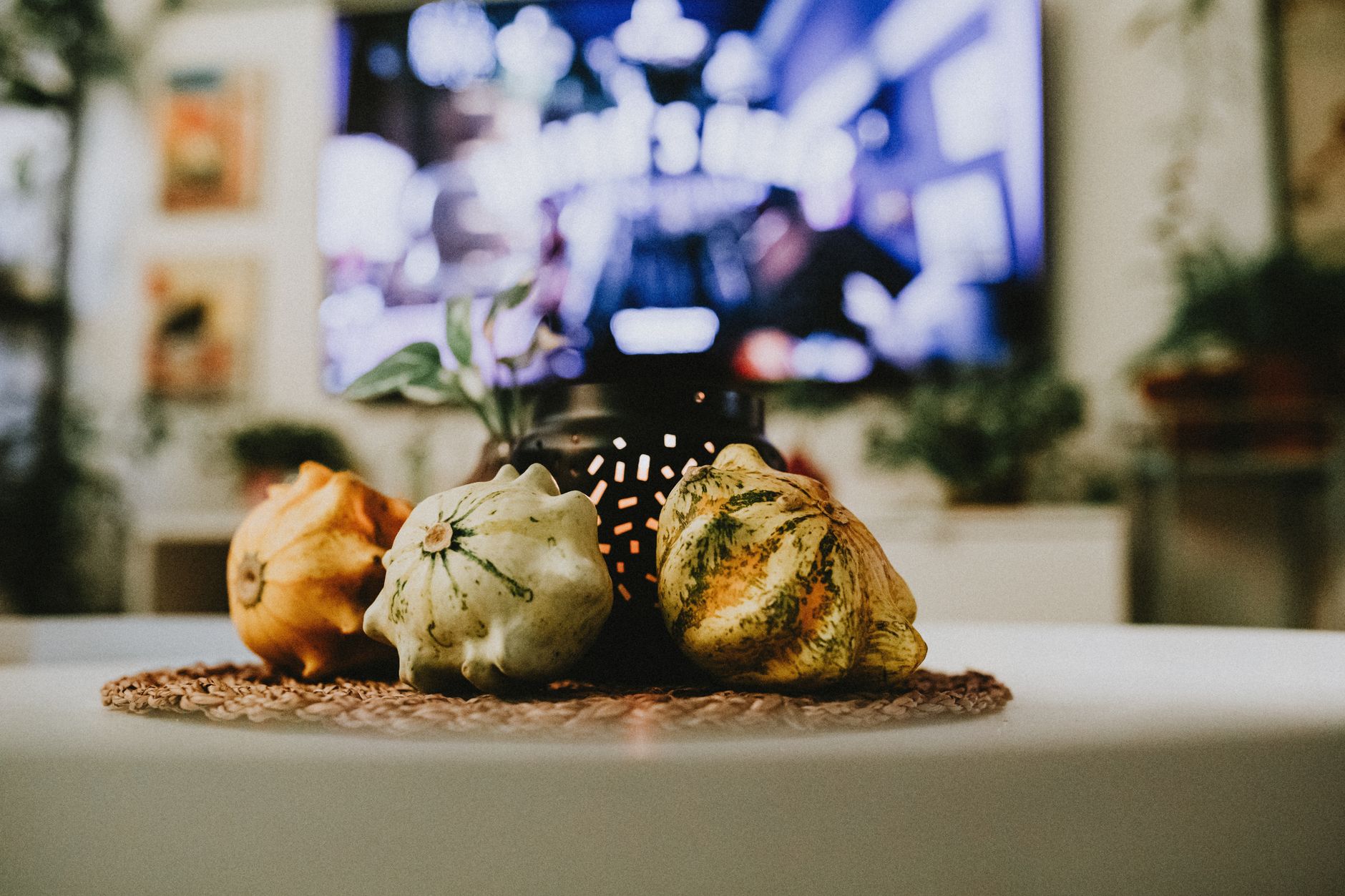
Current reporting highlights a distinct shift toward grounding interiors in comfort as outdoor temperatures drop. According to Global News coverage from October 2026, warm textures, vintage touches, and timeless accents serve as essential pillars for fall styling. Rather than relying on fleeting novelties, this approach focuses on materials that add immediate depth, tactile richness, and visual character to living spaces.
Incorporating well-worn materials and artisanal craftsmanship allows a room to feel lived-in and deeply inviting. Designers emphasize the value of mixing tactile elements—such as heavy wools, chunky knits, and brushed metals—with aged ceramics and heirloom-inspired decor. This layering technique prevents a room from feeling overly staged, creating an atmosphere that feels both curated and relaxed.
To implement this trend effectively, consider focusing on a few key areas:
- Textile layering: Swap lightweight summer throws and pillow covers for heavier, tactile fabrics like bouclé, velvet, or distressed leather.
- Vintage accents: Integrate brass candlesticks, tarnished silver trays, or handcrafted pottery to introduce historical weight and individuality.
- Timeless vessels: Display dried botanicals, branches, or autumn foliage in weathered earthenware or neutral ceramic vases that can easily transition across seasonal shifts.
While current market trends favor vintage aesthetics and artisanal finishes, exact availability and sourcing of genuine antiques will vary by individual location and second-hand inventory. When selecting older pieces or incorporating real branches and open flame candles into your displays, always prioritize structural stability and basic fire-safety precautions.
Ultimately, leaning into warm textures and vintage elements provides a versatile foundation. These grounded pieces not only complement the transition from early autumn into late-season holidays, but they also establish a resilient backdrop that adapts effortlessly to changing seasonal displays throughout the cooler months.
Preparing Intentional Spaces for Thanksgiving
As the holiday season approaches, current late-October 2026 reporting suggests shifting away from exhausting, whole-house decorating overhauls. According to seasonal guidance from Homes & Gardens published on October 21, 2026, a more sustainable approach focuses on creating intentional, guest-ready spaces and curated seasonal tables rather than attempting to decorate every single room at once. Concentrating your decorative efforts on high-impact areas creates a welcoming, cohesive atmosphere for holiday gatherings while helping you avoid seasonal decorating burnout.
When preparing your home for Thanksgiving visitors, prioritising key architectural focal points makes the most visual impact. Rather than spreading minor decorations thinly across every hallway and guest bedroom, target spaces where guests naturally congregate:
- The Entryway: Set a welcoming tone right at the front door with a tidy drop zone, a seasonal accent piece, and thoughtful lighting.
- The Dining Room: Concentrate your styling energy on the dining table, building a warm focal point for shared meals.
- The Living Area: Clear away daily clutter in the main gathering room so seating areas feel open, comfortable, and inviting.
Focusing on these specific zones allows you to invest more care into the details that matter most. For instance, curating a seasonal table requires attention to scale and comfort. Ensure that centerpieces remain low enough to allow guests to converse easily across the table, and keep table linens clean, pressed, and ready ahead of time.
Current holiday preparation strategies also emphasize editing existing spaces over buying entirely new collections. Removing everyday clutter from high-traffic zones makes rooms feel instantly larger and more restful, providing a clean canvas for autumn textures and Thanksgiving touches. While specific host preferences vary by household, keeping guest spaces functional and uncluttered remains a universally reliable baseline for holiday hospitality.
By streamlining your workflow and concentrating on selective, high-visibility zones, you can achieve a polished look with significantly less stress. This intentional method lets you enjoy the autumn season and the company of your guests, keeping the focus on comfort and connection rather than endless maintenance.
Styling with a Versatile Vase Foundation
A vase-led decorating approach offers an easy, sustainable way to refresh a room throughout the late-year season without buying a completely new set of decorative items for every single holiday. By establishing a permanent or semi-permanent foundation, you can significantly cut down on storage clutter and decorating time as autumn transitions into Thanksgiving and the winter festivities. You can reuse the exact same neutral vessel and branch framework, simply swapping out hanging textiles, seasonal stems, fairy lights, or small ornaments as the holiday context shifts.
Recent late-October design reporting emphasizes warm textures, vintage touches, and timeless accents that can carry living spaces smoothly through consecutive holidays. Building your seasonal displays around a sturdy, neutral vase anchors this strategy. Instead of swapping out heavy foundational decor pieces every few weeks, the vase acts as a reliable architectural anchor on a mantel, entryway console, or dining table centerpiece.
Core Steps for a Vessel-Led Holiday Transition
- Select a Neutral Foundation: Choose a sturdy ceramic, terracotta, or heavy glass vase in an earthy, neutral tone that complements various color palettes.
- Establish a Branch Framework: Arrange dried branches, birch twigs, or sculptural bare stems inside the vessel as a permanent structural skeleton.
- Rotate Accents by Season: Hang miniature pumpkins or autumn leaves for October, transition to dried wheat or understated ribbon for November, and swap in delicate glass ornaments or twinkling fairy lights for December.
- Vary Surrounding Textures: Pair the vase with shifting tabletop textiles, such as coarse burlap runners in autumn, woven linen for Thanksgiving, and velvet or plaid accents for the winter holidays.
When implementing this transitional styling strategy, standard safety precautions remain essential for any home setup. Real branches, live foliage, traditional candles, and electrical fairy lights require careful monitoring to maintain stability and fire safety, particularly as indoor heating dries out natural elements. It is currently unverified whether specific commercial branch kits perform better than foraging locally, so assess the sturdiness of your framework independently before hanging heavier seasonal ornaments. By focusing your decorating energy on interchangeable details rather than structural overhauls, you can maintain a guest-ready, cohesive aesthetic throughout the final months of the year.
Prioritizing Safety with Seasonal Displays
While experimenting with natural elements like real branches, open-flame candles, and electrical lights during the late-season transition, safety remains paramount. Because styling approaches often combine dried botanicals with illumination, evaluating physical stability and fire safety protects both household members and seasonal decor.
Always ensure that heavy branch arrangements are properly balanced for stability within vessels. Large-scale structural stems can create tipping points if a container is too lightweight or if weight is distributed unevenly. Anchoring heavy branches securely inside a sturdy base prevents accidental tipping.
Keep open flames strictly away from dry foliage, dried grasses, and lightweight autumn textiles. As natural stems dry out over the course of the season, they become increasingly flammable. Maintain generous clearance between any candles and combustible decor elements.
Inspect electrical cords carefully before plugging in fairy lights, illuminated branch displays, or festive lighting. Damaged wiring, frayed insulation, or overloaded outlets present hidden fire hazards that require immediate replacement or professional evaluation.
Essential Safety Checklist for Seasonal Displays
- Verify that heavy branch bases are weighted and balanced to prevent tipping.
- Maintain a safe distance between open-flame candles and dry seasonal foliage.
- Inspect all electrical cords and decorative lights for wear or fraying before use.
- Keep walkways clear of low-hanging wires or protruding branch frameworks.
Current seasonal home decor guidance generally emphasizes mindful placement of high-impact accents over exhaustive decorating. By focusing safety efforts on key focal points—such as lit centerpieces, heavy floral arrangements, and illuminated trees—homes remain welcoming and secure throughout the late-year holiday season.
Managing Storage and Rotation for Seamless Seasonal Changes
Transitioning a home through the late-year holidays requires a thoughtful approach to storage so that items can be swapped in and out efficiently without cluttering living areas. Establishing a designated staging zone in a garage, basement, or hall closet helps keep decor categories clearly separated as autumn gives way to Thanksgiving and winter celebrations. Rather than packing away entire decorative setups at once, homeowners can store items in modular bins labeled by specific zones—such as tabletop, mantel, or entryway—so that updating a room becomes a simple retrieval process rather than a time-consuming overhaul.
A practical rotation strategy also prevents seasonal fatigue by keeping only a curated selection of pieces visible at any given time. When switching from early fall motifs to late-November gatherings, items that bridge multiple holidays, such as amber glassware, neutral ceramic vessels, and brass candlesticks, can remain on display while distinctly thematic elements are neatly boxed away. Utilizing soft, breathable storage bags for delicate textiles like table runners, throws, and decorative pillow covers protects fabrics from dust and moisture between holidays. Additionally, wrapping fragile stems, dried botanicals, and delicate ornaments in protective paper ensures they retain their shape and structural integrity year after year, making each seasonal shift smoother and more sustainable.
Curating a Seamless Flow Between Zones
When transitioning your home through the late-year holiday stretch, maintaining a cohesive flow between open-concept rooms prevents visual clutter. Rather than treating each space as an isolated design project, consider how sightlines connect your entryway, living room, and dining area. Establish a unified color palette or repeating textural motif—such as a consistent metallic finish or an accent hue drawn from your transitional centerpieces—to carry the eye naturally from zone to zone.
Focus high-impact styling on natural gathering points like entry consoles, fireplace mantels, and dining tables, while keeping transitional hallways and secondary rooms relatively quiet. This selective approach not only highlights your favorite seasonal accents but also makes day-to-day tidying significantly more manageable as guest traffic increases. By directing attention to specific focal points, you create an intentional rhythm throughout the home that feels both curated and effortlessly welcoming.
Frequently Asked Questions
What is a transition tree and how does it work?
A transition tree is a clever seasonal structure designed to be restyled across multiple holidays rather than being completely rebuilt from scratch. Instead of taking down your display after Halloween and putting up a brand-new Christmas setup weeks later, you keep the core skeleton of the tree intact. You simply swap out the hanging elements, ribbons, and accent colors to shift the mood smoothly from autumn themes into winter festivities. This approach saves significant time, reduces storage clutter, and creates a cohesive look as the calendar moves from late October straight through to the end of the year.
How can I update my home decor between Halloween and Thanksgiving without starting over?
Updating your home between Halloween and Thanksgiving without starting over involves focusing on intentional, guest-ready spaces rather than trying to redecorate every single room at once. Instead of tackling a massive overhaul, concentrate your efforts on high-impact areas like the entryway, living room, and dining room. You can easily remove spooky Halloween motifs while keeping your foundational autumn layers, such as warm textiles and organic elements. By staging specific focal points like a welcoming seasonal table, you create a polished, stress-free environment for holiday gatherings with minimal effort.
What home decor trends are most prominent in late autumn?
Prominent trends in late autumn emphasize cozy comfort, nostalgic charm, and organic simplicity throughout the home. Current interior guidance highlights the use of warm textures, vintage touches, and timeless accents that create an inviting atmosphere as the weather turns colder. Layering rich fabrics, tactile materials, and heirloom-inspired pieces helps ground living spaces in a sense of history and warmth. Rather than relying on fleeting novelties, these enduring design choices celebrate natural materials and classic aesthetics, making it easy to transition your rooms seamlessly toward the upcoming winter holidays.
How can I use a simple vase to transition my decor through multiple holidays?
A vase-led transition offers a versatile way to refresh your home by reusing the same neutral vessel and branch framework across different seasons. You can maintain your favorite structural base while periodically swapping out supporting elements such as textiles, seasonal stems, fairy lights, or hanging ornaments. In late autumn, you might style the vase with bare branches and warm tones, then later add festive lights or subtle winter accents for the holidays. This modular method keeps your decor fresh and dynamic without requiring entirely new display pieces for every single calendar milestone.
What safety precautions should I take when using real branches, candles, and lights in seasonal displays?
When incorporating real branches, open flames, and electrical lights into your seasonal displays, maintaining proper stability and fire safety is essential. Always ensure that heavy or large branches are securely anchored inside a sturdy vessel to prevent tipping. Keep all real candles well away from dried foliage, paper decor, fabric runners, and other flammable materials, and never leave burning candles unattended. When using electrical lights or illuminated decorations, inspect cords for any damage, avoid overloading power outlets, and turn off decorative displays whenever you leave the room or go to sleep.
Sources and updates
Details can change after the October 24, 2026 research cutoff. Check the linked sources and current local guidance before acting.
- Ideal Home: transition-tree trend (2026-10-18)
- Global News: fall home decor trends (2026-10-20)
- Homes & Gardens: preparing for Thanksgiving (2026-10-21)

Chloe Bennett is an interior stylist and ceramic enthusiast with a passion for curation. She specializes in finding the perfect vases to elevate home spaces, blending contemporary design with vintage aesthetics. Her expert guides help readers select, style, and care for unique vessels that transform ordinary rooms into art.