What’s Changing in Decor This October 2026
What is changing in decor this October is a strategic shift toward seamless continuity and adaptability across the late-autumn and winter seasons. Rather than relying on standalone holiday setups that must be entirely dismantled every few weeks, contemporary interior styling focuses on fluid, layered displays designed to evolve naturally from Halloween and Thanksgiving straight through to the winter holidays.
This evolving approach relies on smart structural choices and intentional space management. Current seasonal design coverage highlights transitional display pieces and room layouts that can be restyled with minimal effort, allowing a home to transition smoothly into guest-ready warmth without requiring a complete design overhaul in every room. The following framework outlines how to anchor these adaptive arrangements using versatile base elements, warm textures, and sustainable styling strategies that minimize clutter while maximizing seasonal impact.

The Rise of the Transition Tree
Back-to-back autumn and winter celebrations often leave homeowners facing an exhausting cycle of packing up one display only to build another from scratch. According to recent design coverage from Ideal Home published in mid-October 2026, a practical response is gaining traction: the transition tree. Rather than treating Halloween, Thanksgiving, and Christmas as entirely separate decorating events, this trend utilizes versatile seasonal structures designed to be restyled over several months.
This evolving approach significantly reduces storage clutter and minimizes the physical labor of seasonal turnovers. Instead of dismantling a full branch framework every few weeks, households can keep the core structure intact while shifting a few key elements. Swapping out lightweight foliage, hanging ornaments, or ambient lighting transforms the base display without requiring a complete room overhaul.
Practical execution typically follows a phased timeline:
- Late October: Anchor the structure with bare branches, moody stems, or subtle autumn accents that bridge Halloween and general fall styling.
- November: Transition the display toward warmer harvest themes by incorporating dried grasses, deeper amber tones, or subtle Thanksgiving motifs.
- December: Layer in winter greens, festive ornaments, and holiday lighting for the final seasonal shift.
While reports indicate that these adaptable focal points are becoming a preferred method for maintaining a fresh living space through the end of the year, individual preferences vary on how elaborate the framework should be. Some households favor minimalist branch arrangements in a heavy ceramic vessel, while others experiment with artificial pre-lit structures that accept clip-on decorations easily.
No matter which structural base is chosen, standard safety precautions remain essential. Real branches, taper candles, and electrical fairy lights require careful monitoring to ensure stability, prevent tipping, and avoid fire hazards as seasonal materials dry out over extended display periods.
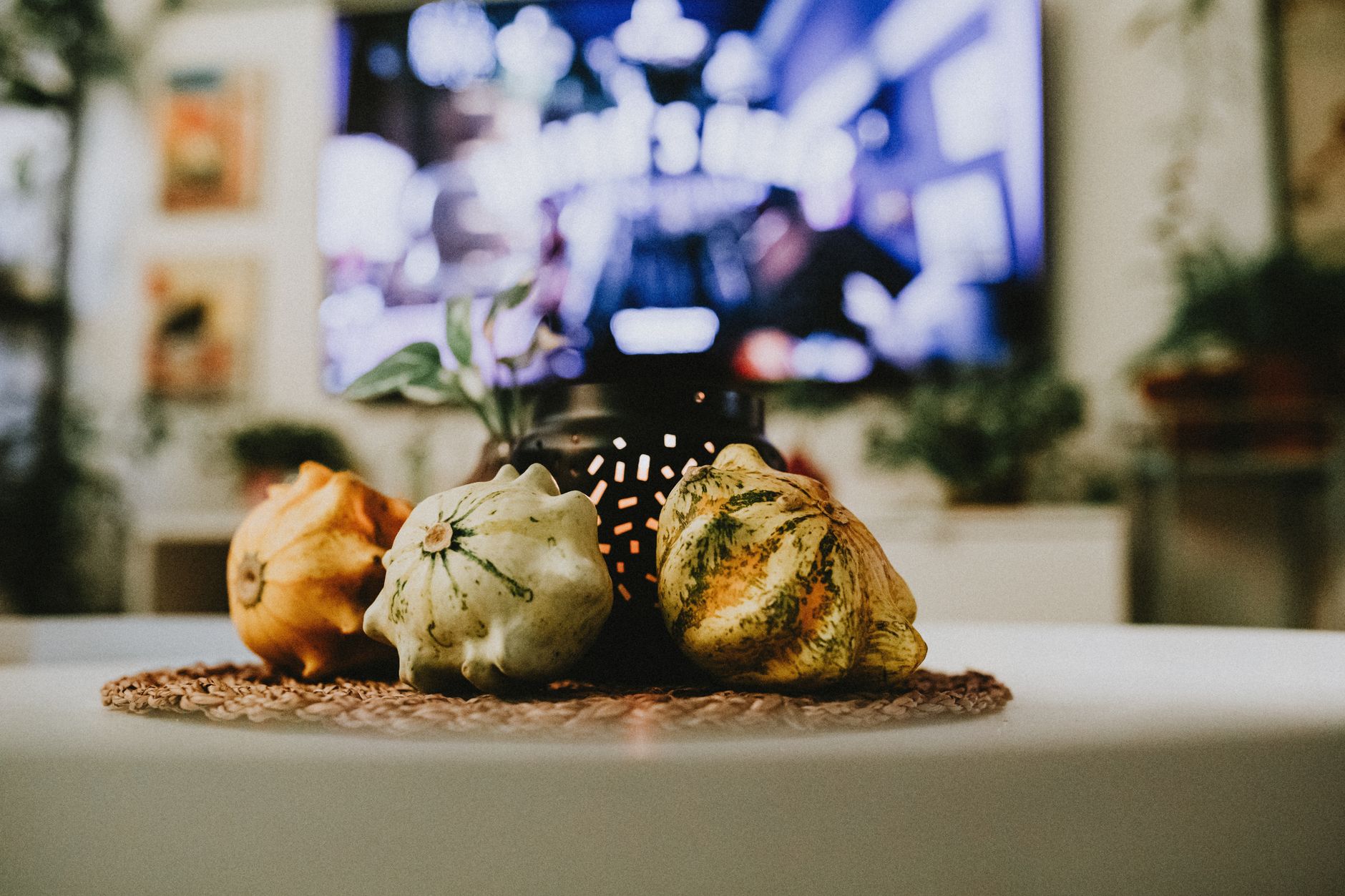
Embracing Warm Textures and Vintage Accents
Current seasonal reporting highlights a distinct shift toward tactile, grounded elements inside the home as the weather cools. According to Global News coverage from October 20, 2026, fall home styling is leaning heavily into warm textures, vintage touches, and timeless accents to anchor living spaces. Rather than relying on bright novelty items that must be replaced year after year, this approach favors enduring materials that offer visual depth and long-term durability.
Heavy ceramics, weathered wood, and layered textiles create a sense of history and comfort without requiring a complete room overhaul. Incorporating these elements allows a home to feel intentionally curated rather than hastily decorated for a single week on the calendar.
Key Elements of the Warm and Vintage Trend
- Textural Contrast: Mixing heavy wool blankets, quilted throws, and woven baskets adds immediate physical warmth and breaks up smooth surfaces.
- Vintage Accents: Sourcing aged brass candlesticks, tarnished silver trays, or antique earthenware vessels introduces character and a collected-over-time aesthetic.
- Grounded Color Palettes: Relying on muted earthy tones, deep terracottas, and rich browns rather than flashy seasonal colors helps bridge the gap between late autumn and early winter.
When selecting foundational pieces like a neutral ceramic vase or a heavy wooden tray, choosing items with timeless appeal ensures they can remain on display across multiple seasons. While current reporting emphasizes vintage finds, availability in local thrift shops or antique markets will naturally vary by region. Pairing these older items with seasonal botanicals or simple pillar candles creates an understated focal point that feels appropriate for both October and the approaching holiday months.
Balancing vintage touches with clean-lined modern furniture also keeps a space from feeling dated. By prioritizing tactile quality over quantity, rooms gain a welcoming atmosphere that supports a smooth transition from early fall into the cooler winter hosting season.
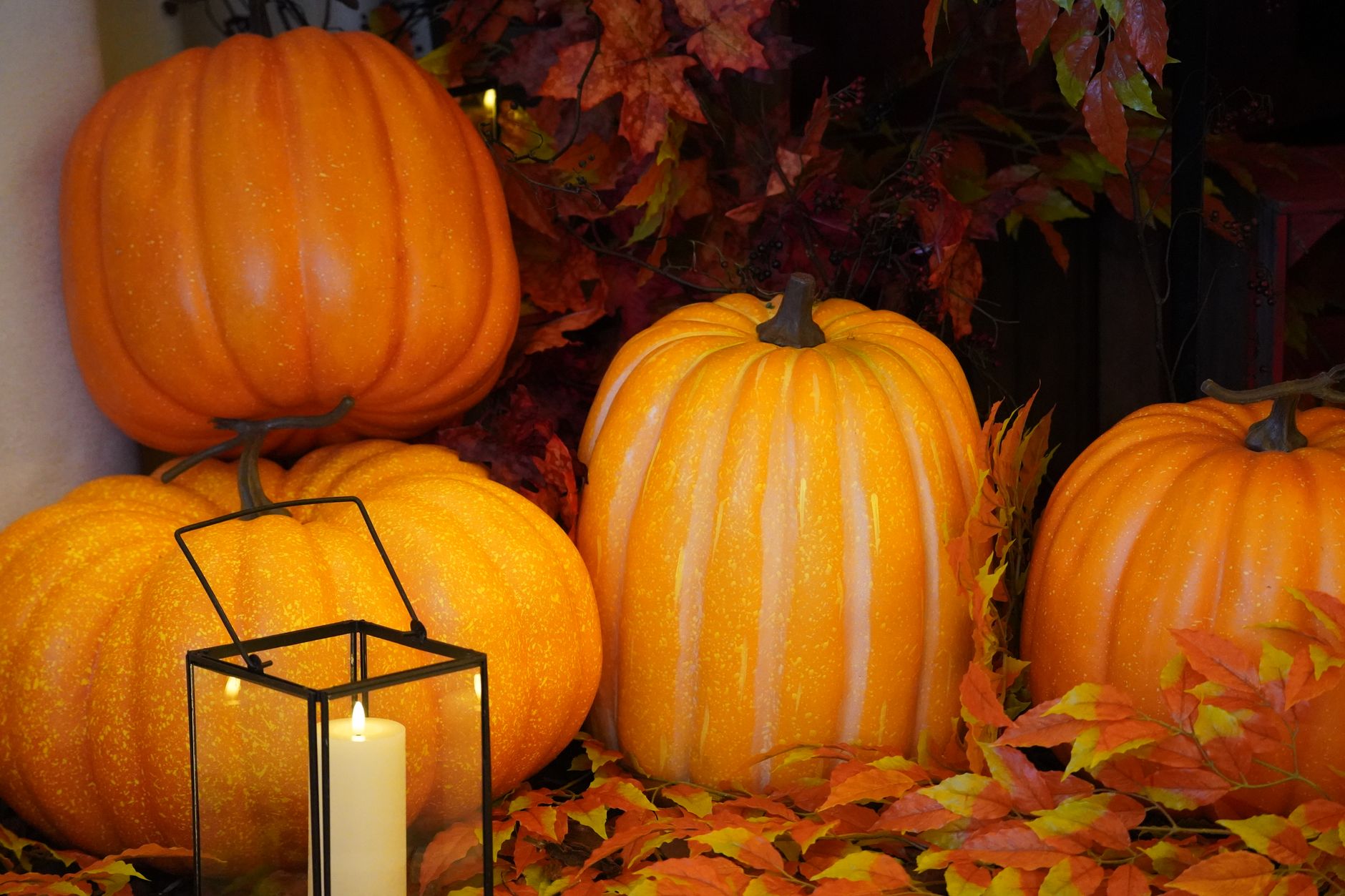
Intentional Thanksgiving Preparation
When looking ahead to hosting autumn gatherings, current reporting from *Homes & Gardens* recommends scaling back the urge to decorate every single room at once. Their Thanksgiving preparation guide emphasizes creating intentional, guest-ready spaces and curated seasonal tables rather than spreading your energy thin across the entire house.
Focusing your decorating efforts primarily on main gathering areas—such as the entryway, living room, and dining room—reduces holiday stress while maintaining an elegant, welcoming atmosphere for family and friends. By limiting the scope of your seasonal setup, you can pay closer attention to comfort and detail where it matters most.
To implement this intentional approach successfully, consider concentrating on these key hospitality touchpoints:
- The Dining Table: Make the main table the focal point with a curated seasonal centerpiece, clean linens, and accessible serving ware.
- The Entryway: Keep drop zones tidy and add a single, welcoming touch like a seasonal wreath or a lit candle to greet arriving guests.
- The Living Area: Ensure seating arrangements allow for easy conversation, supplementing with cozy throws or warm accent pillows as needed.
While exact guest arrival timelines and seating capacities vary by household, focusing your resources on these core zones helps streamline holiday prep. By avoiding over-decoration in private or low-traffic rooms, you keep maintenance manageable throughout the busy holiday season.
Vase-Led Transitions for Every Room
A versatile vase serves as the ultimate anchor for shifting seasonal aesthetics without requiring a complete room overhaul. According to current seasonal reporting, decorators are increasingly looking for ways to streamline their updates as the calendar turns from October toward winter, avoiding the labor of rebuilding displays from scratch.
By keeping a neutral foundational vessel and a sturdy branch framework intact, you can easily swap out supporting elements as holidays approach. This vase-led approach allows a single display to evolve gracefully from late-autumn styling through Thanksgiving and onward to winter festivities.
To implement this transition efficiently, consider these practical adjustments for your foundational vessel arrangement:
- Textiles and bases: Swap out textured fall table runners or placemats beneath the vase for heavier winter fabrics like wool or velvet as the weather cools.
- Stem fillers: Transition from dried autumn leaves, berries, or spooky Halloween picks to bare foraged branches, evergreen sprigs, or frosted stems.
- Ambient lighting and ornaments: Add delicate fairy lights or small hanging decorations to the branches as you move past Thanksgiving into the winter holidays.
While reports indicate that using transition trees and foundational vessels saves time and storage space, home safety remains an essential consideration. General safety guidance notes that real branches, candles, and electrical lights require careful handling and stability checks. Always ensure that heavy or foraged branches are securely anchored inside your vase to prevent tipping, and keep open flames or warm electrical cords safely distanced from dry organic materials.
Balancing Ambiance with Everyday Function
As living spaces adapt to heavier guest schedules and shorter daylight hours, functional flow remains paramount. Decor updates should complement daily routines rather than obstructing high-traffic pathways. Keeping entryways clear, ensuring dining tables retain comfortable seating space, and prioritizing clean sightlines help ensure that seasonal styling enhances the home’s liveability.
When incorporating layered autumn arrangements, warm textiles, and festive focal points into high-activity rooms, physical clearance is just as important as visual appeal. Current guidance emphasizes that a stylish room must continue to support everyday comfort, traffic flow, and ease of movement.
To keep seasonal displays practical:
- Keep entryways clear of oversized floor displays or stacked pumpkins that restrict coat and shoe storage.
- Ensure dining tables retain comfortable seating space by opting for low-profile centerpieces that do not block cross-table conversation.
- Prioritize clean sightlines in hallways and living zones so that heavier decor elements do not create physical bottlenecks.
Practical safety considerations also support everyday function. Real branches, candles, and electrical lights still require stability and fire-safety care, particularly in homes with frequent visitors or pets. Securing wiring, monitoring open flames, and ensuring heavy branch frameworks are properly weighted inside a vase prevent accidental tipping in busy spaces.
Current reporting suggests that editing existing displays down to essential, intentional accents helps maintain a clutter-free environment. Rather than filling every available surface, focus updates on specific gathering areas to keep rooms welcoming and fully operational throughout the busy autumn and winter transition period.
Essential Safety Reminders for Late-Fall Displays
Essential Safety Reminders for Late-Fall Displays
Incorporating natural elements and seasonal illumination into interior displays requires mindful safety precautions. Because late-autumn styling frequently involves bringing outdoor materials into the home alongside supplementary lighting, keeping safety at the forefront prevents potential hazards during the busy holiday transition.
Real branches, live candles, and electrical lights demand careful stability checks and continuous fire-safety care. As organic stems dry out over weeks indoors, they become significantly more flammable, making proactive precautions essential for any display featuring natural wood or foliage.
Key Display Precautions
- Keep open flames entirely away from dry autumn foliage, dried grasses, and lightweight fabrics.
- Ensure that electrical cords are not overloaded by daisy-chaining multiple strings of lights together.
- Secure heavier decorative branches firmly within weighted vessels to prevent tipping.
- Inspect older light strands for frayed wires or cracked sockets before plugging them in.
According to general safety guidelines, it is also wise to extinguish all unattended candles and unplug decorative light displays before leaving the house or going to sleep. Taking these quick measures protects your seasonal setup and keeps your living spaces secure as you shift from autumn decor into winter festivities.
Storage Strategies for Seamless Seasonal Rotation
Moving from the vibrant orange tones of mid-autumn into the rich, amber hues of Thanksgiving and eventually the sparkle of the winter holidays requires a disciplined approach to household storage. Rather than scattering seasonal items across multiple closets or burying fragile stems in deep attic boxes, streamlining your rotation process protects delicate decor and saves valuable time during busy holiday weeks.
Start by auditing your inventory of seasonal accents, textiles, and vessels. Group items by their span of utility: pieces that work exclusively for Halloween or early autumn should be packed away separately from transitional items that can carry your displays through late November. Clear, stackable plastic bins with tight-fitting lids work exceptionally well for protecting delicate dried florals, delicate glass ornaments, and fabric table runners from dust, moisture, and pests.
When packing away mid-fall items, take the time to clean and repair any pieces that need attention before storing them away. Wipe down ceramic vases, smooth out and fold linens to prevent deep creases, and ensure that battery-operated candles have their batteries removed to avoid corrosion. Labeling each container clearly on both the top and the side allows you to quickly locate specific elements—such as brass candlesticks or neutral throw pillow covers—without having to unpack every single box.
Creating a dedicated staging area in a utility room, basement, or garage also simplifies the physical transition. By keeping your upcoming holiday supplies in one accessible staging zone, you can swap out table centerpieces, mantel displays, and entryway arrangements in a matter of minutes. This methodical approach keeps your living spaces uncluttered and ensures that your home remains comfortable and welcoming for visiting guests throughout the entire autumn and winter hosting season.
Practical Lighting and Glow Adjustments
As the daylight hours shorten dramatically through the back half of October, shifting the indoor lighting scheme becomes just as important as swapping out textiles or mantle displays. Moving away from bright, cool-toned overhead fixtures helps bridge the gap between late autumn and early winter festivities by fostering a cozier, more grounded atmosphere.
Incorporating layered lighting at different heights allows living spaces and dining areas to feel intentional and welcoming for evening guests. Positioning warm-toned table lamps on sideboards, adding low-wattage accent bulbs to dark corners, and utilizing candlelight inside hurricane glasses or around a vase-led centerpiece can instantly soften a room without requiring a complete design overhaul. When working with real candles, always ensure they are kept well clear of dried foliage, paper garlands, or heavy textiles to maintain a secure environment.
Subtle illumination also highlights the changing textures introduced during this seasonal shift. Warm light plays naturally against heavy wools, raw wood surfaces, and vintage metallic accents, drawing the eye to subtle details like ribbed ceramics or amber glassware. By planning the transition of your lighting alongside your seasonal decor rotation, you create a seamless, cohesive ambiance that carries comfortably from early autumn gatherings straight through to late-November celebrations.
Curating a Cohesive Color Palette Across Rooms
Maintaining a cohesive color palette during October’s shifting seasonal displays helps prevent visual clutter as your home transitions from early autumn through Thanksgiving and into the winter holidays. Instead of completely reinventing your color scheme every few weeks, focus on establishing a stable neutral base of warm creams, muted taupes, and natural wood tones that can anchor multiple phases of decor. As you move from late-October harvest aesthetics into November gatherings, you can layer in richer, deeper accent colors—such as burnt orange, muted terracotta, deep plum, and brushed brass—without clashing with your existing furnishings or permanent room layouts.
When planning this palette continuity, consider how natural light changes in your living spaces throughout the late fall. Rooms that receive less direct sunlight benefit from warmer, more reflective metallic accents and amber glassware, while sunnier spaces can easily handle matte textures and darker, moody seasonal hues. By keeping large foundational pieces and staple vessels neutral, you create a flexible backdrop that gracefully accommodates shifting seasonal stems, table linens, and throw pillows. This approach not only streamlines your decorating process as the calendar turns, but it also ensures that open-concept homes feel unified, intentional, and calm during busy hosting months.
Frequently Asked Questions
What is a transition tree in home decor?
A transition tree is a seasonal decorative structure designed to be restyled and updated over the course of several months rather than rebuilt from scratch. Instead of taking down an autumn or Halloween arrangement and starting over for the winter holidays, decorators keep the foundational tree framework in place. You can gradually swap out foliage, ribbons, or ornaments as the calendar moves forward. This clever approach saves time, reduces storage clutter, and lets you enjoy a festive centerpiece in your living space continuously throughout the entire autumn and winter season with minimal daily effort.
How can I update my fall decor for Thanksgiving without redecorating every room?
When preparing your home for Thanksgiving, you can avoid the overwhelming task of decorating every single room by focusing your efforts strategically. Prioritize intentional, guest-ready spaces where people naturally gather, such as the entryway, living room, and dining table. Instead of a massive overhaul, simply refine your existing autumn aesthetic by adding warmer textures, polished table settings, and subtle seasonal accents. This selective method creates a welcoming, cohesive atmosphere for visiting family and friends without requiring you to exhaust yourself trying to transform the entire house at once.
What types of accents are trending for late-autumn styling?
Current seasonal coverage highlights a strong preference for warm textures, vintage touches, and timeless accents that create a cozy and inviting home environment. Decorators are moving away from overly trendy plastics and embracing pieces that feel grounded, tactile, and rich in history. Incorporating vintage-inspired candle holders, heavy knit throws, heirloom ceramics, and muted metallic finishes helps bridge the gap between harvest celebrations and winter festivities. These enduring elements blend seamlessly together, offering a sophisticated look that feels both comforting and visually grounded as the days grow shorter and colder.
How can I reuse a single vase for multiple holidays?
You can easily reuse a single neutral vessel across multiple holidays by keeping the core framework identical while swapping out secondary elements. Start with a versatile, sturdy vase and a permanent branch structure as your base. For early fall, fill it with autumn leaves or dried stems. As Thanksgiving and the winter holidays approach, you can transition the exact same vase by replacing the foliage with frosted branches, fairy lights, festive berries, or holiday ornaments. This sustainable method keeps your mantel or tabletop feeling fresh while minimizing the need for excessive storage space.
What safety precautions should I keep in mind when using candles and branches in seasonal decor?
Whenever you incorporate natural elements like real branches alongside open flames, prioritizing safety is essential to prevent accidental fires in your home. Always ensure that heavy branches are securely anchored inside a stable vase so they cannot tip over unexpectedly. Keep live or dried foliage safely away from open candles, electric heating elements, and high-traffic pathways. If you are incorporating electrical holiday lights into your branch arrangements, check cords for fraying and avoid overloading electrical outlets. Diligent supervision and careful placement ensure your seasonal displays remain both beautiful and safe.
Sources and updates
Details can change after the October 24, 2026 research cutoff. Check the linked sources and current local guidance before acting.
- Ideal Home: transition-tree trend (2026-10-18)
- Global News: fall home decor trends (2026-10-20)
- Homes & Gardens: preparing for Thanksgiving (2026-10-21)

Chloe Bennett is an interior stylist and ceramic enthusiast with a passion for curation. She specializes in finding the perfect vases to elevate home spaces, blending contemporary design with vintage aesthetics. Her expert guides help readers select, style, and care for unique vessels that transform ordinary rooms into art.