Late-Fall Decor Guide: New Priorities for 2026
A late-fall decor guide: new priorities for the months ahead involves shifting your home styling focus as autumn celebrations naturally give way to Thanksgiving and the winter holidays. Rather than attempting to overhaul every room at once, contemporary decorating guidance favors streamlining your spaces with intentional, guest-ready arrangements and seasonal tables that feel cohesive without causing setup fatigue.
Reflecting the latest design directions, current home styling emphasizes warm textures, vintage touches, and timeless accents that bridge the gap between harvest displays and festive winter setups. A practical approach to this seasonal pivot relies on versatile frameworks, such as utilizing transition trees that can be restyled from Halloween into Christmas rather than built entirely from scratch, alongside adaptable vase-led arrangements that let you reuse neutral vessels while simply swapping out stems, textiles, and lighting as the calendar turns.

Embracing the Shift from Halloween to Winter
Recent October 2026 decor reporting highlights a growing emphasis on displays that evolve naturally from early autumn and Halloween into Thanksgiving and the winter holidays. Rather than packing away entire seasonal collections and starting over every few weeks, current styling trends favor curating foundational pieces that adapt seamlessly to the changing calendar.
Global News notes that current autumn styling leans heavily into warm textures, vintage touches, and timeless accents that bridge seasonal milestones. This design philosophy reduces storage clutter and keeps foundational investments working harder throughout the final months of the year.
A prime example of this evolutionary approach is the transition tree, a seasonal structure highlighted by Ideal Home. Instead of rebuilding holiday displays from scratch, these adaptable frameworks are restyled in stages—moving from autumn foliage or spooky Halloween motifs directly into winter holiday branches and ornaments.
To implement a smooth chronological shift in your own living spaces without repeating efforts across rooms, consider these adaptable decorating strategies:
- Build a stable core: Establish a neutral focal point, such as a sturdy ceramic or glass vessel paired with an architectural branch framework, which can remain in place while secondary elements change.
- Layer seasonal swaps: Transition the display by simply swapping out textiles, botanical stems, micro-fairy lights, or hanging ornaments as November rolls into December.
- Prioritize fire safety: Real branches, taper candles, and electrical lighting require ongoing stability and careful clearance checks, particularly as dry foliage accumulates later in the season.
By focusing on intentional, multi-phase decor rather than constant overhauls, you can maintain a cohesive aesthetic that accommodates both festive autumn gatherings and formal winter celebrations with minimal friction.
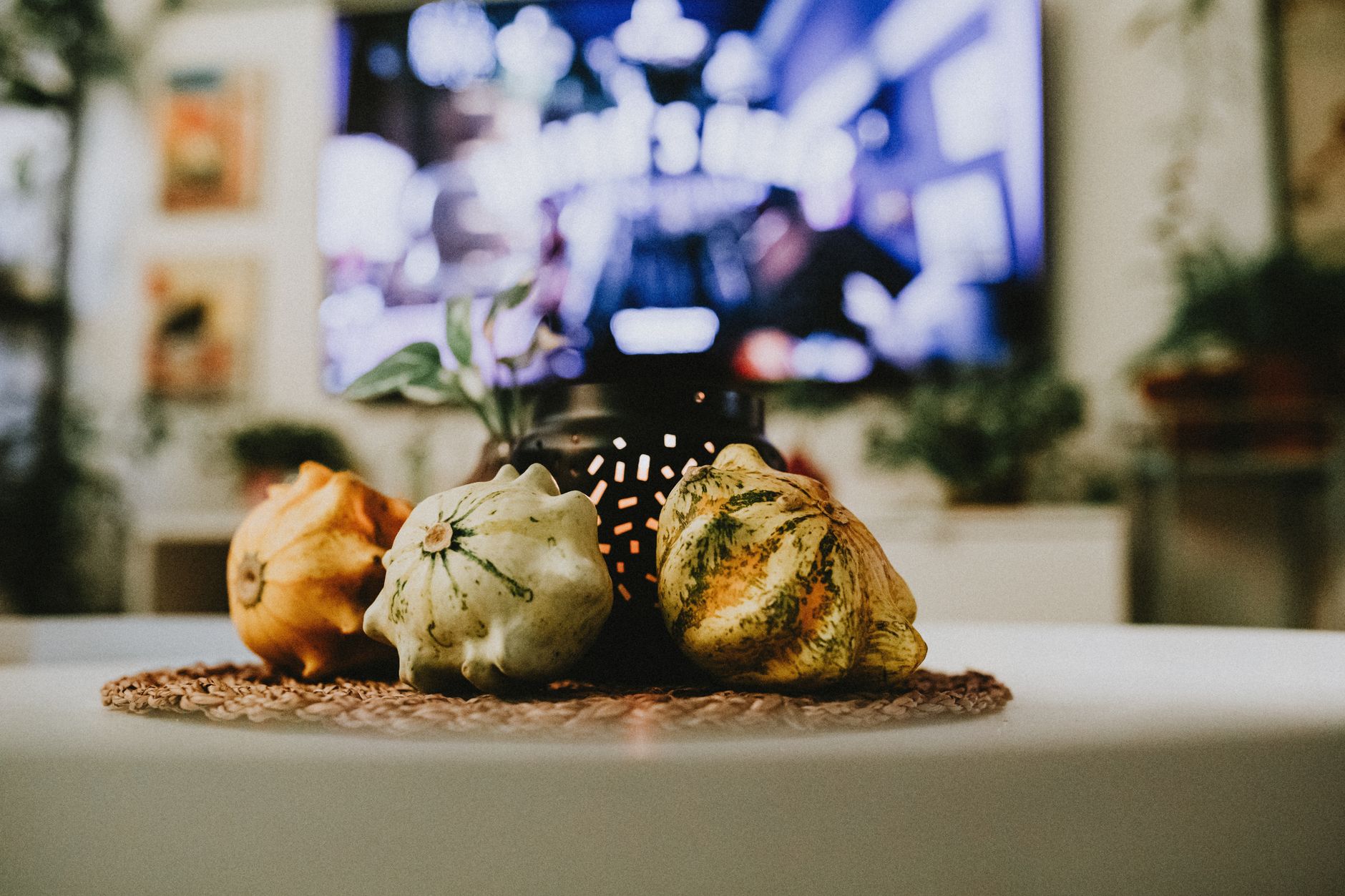
Incorporating Warm Textures and Vintage Accents
Current seasonal styling favors warm textures, vintage touches, and timeless accents as homes shift away from single-holiday novelties. According to recent reporting by Global News, mixing weathered wood finishes, heavy knits, and heirloom ceramics creates an inviting atmosphere that feels grounded and carefully curated rather than tethered to a fleeting calendar date.
To build a layered look without cluttering your surfaces, focus on tactile materials that catch the low autumn light. Combining disparate elements helps a room transition smoothly from the crisp days of October toward the heavier chill of November:
Key tactile layers for a curated look
- Weathered woods: Raw-edge wooden bowls, distressed serving boards, and aged furniture legs introduce organic warmth.
- Heavy knits: Chunky wool throw blankets and cable-knit pillow covers add immediate physical comfort to seating areas.
- Heirloom ceramics: Hand-thrown pitchers, vintage crockery, and glazed stoneware bring a collected, lived-in feel to tabletops.
While specific trend reports emphasize vintage touches, exact definitions of what qualifies as an heirloom or antique vary by household and personal collection. It is generally understood that mixing older, patinated objects with clean-lined modern furniture prevents a space from looking like a staged museum exhibit.
When selecting timeless accents, prioritize pieces that can serve multiple functions across the upcoming winter months. Neutral earthenware or heavy woven textiles do not need to be packed away when Halloween ends, saving storage space and reducing styling fatigue. By anchoring your displays with durable, classic materials, you create a flexible foundation that easily accommodates the arrival of Thanksgiving and subsequent winter holidays.
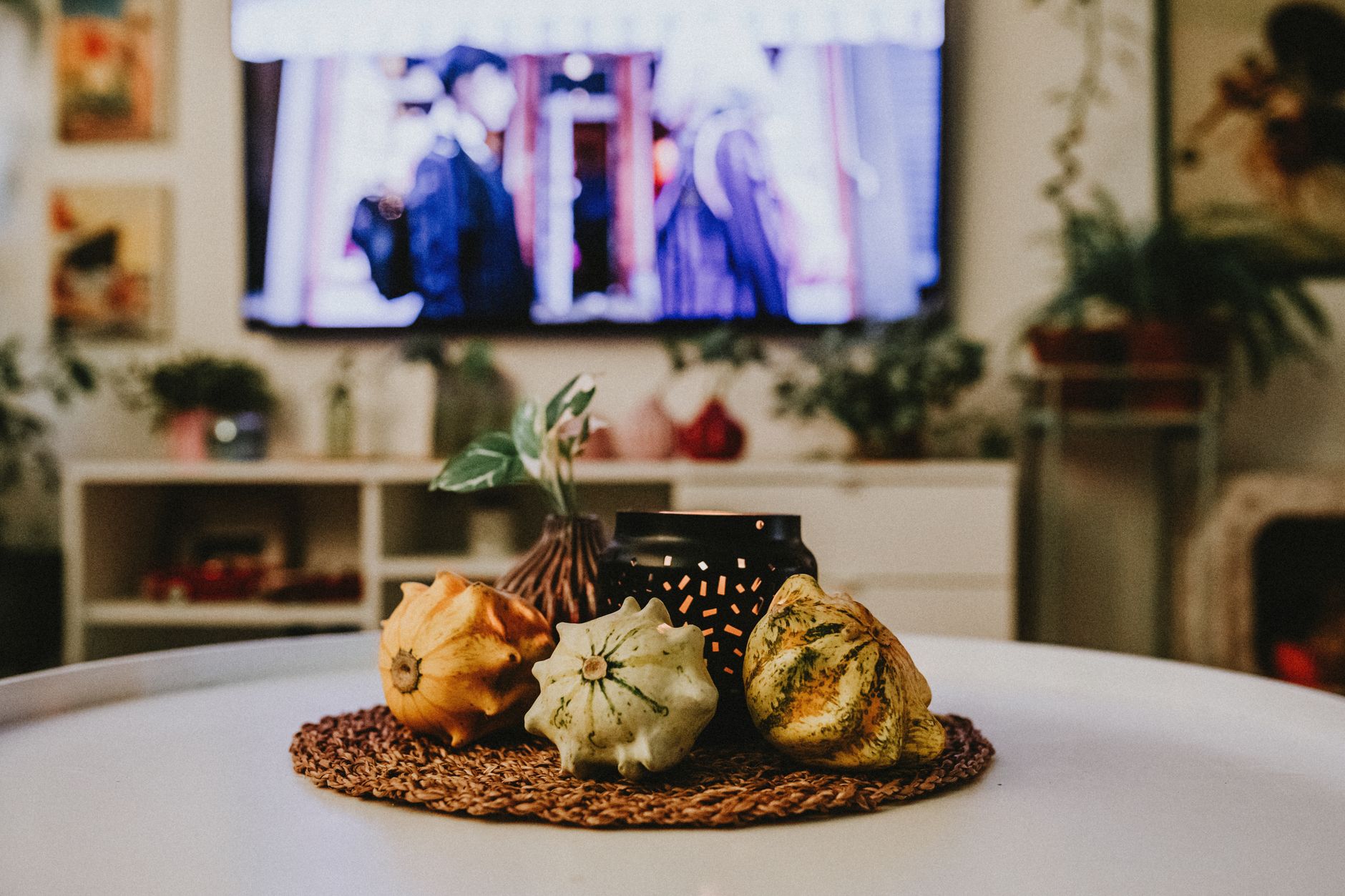
Mastering the Art of the Transition Tree
According to recent interior design coverage from October 2026, transition trees are emerging as a practical seasonal structure for late-fall decorating. Instead of rebuilding a holiday display from scratch, these adaptable frameworks allow you to restyle the same foundational branches and base from autumn and Halloween themes directly into winter holiday decor with minimal effort.
Current reporting indicates that homeowners are increasingly looking for ways to streamline seasonal changes without sacrificing style or creating unnecessary storage clutter. A transition tree accomplishes this by utilizing a neutral base structure that remains in place while the outer decorative elements evolve week by week.
To implement this approach effectively in your own living space, consider the following strategy:
- Establish a neutral base: Select an artificial or real tree structure with sturdy branches that complements both fall palettes and winter whites.
- Layer autumn elements first: Decorate the branches with harvest leaves, warm-toned ribbons, or subtle natural textures during October.
- Swap out accents gradually: As November progresses toward the winter holidays, remove the autumn-specific stems and replace them with metallic ornaments, winter berries, or frosted sprigs.
While design sources note that this method saves significant setup time, homeowners should note that stability and fire safety remain essential considerations. Real branches, traditional candles, and electrical lighting setups still require careful inspection and secure placement to prevent tipping or fire hazards, especially as displays become heavier or denser with winter ornamentation.
It remains unconfirmed whether manufacturers will release pre-packaged transition kits specifically marketed for this purpose in future seasons, but current styling advice relies on adapting existing artificial trees or heavy-duty branch arrangements. By focusing on a single, flexible structure, you can maintain a cohesive aesthetic that gracefully bridges the gap between late-autumn gatherings and festive winter celebrations.
Focusing on Intentional, Guest-Ready Spaces
As the holiday season draws closer, preparing a home for hosting can easily feel like an overwhelming logistical puzzle. According to recent guidance from interior experts at Homes & Gardens, successful Thanksgiving preparation does not require transforming or decorating every single room at once. Instead of exhausting time and energy trying to make an entire house festive simultaneously, current design priorities favor focusing on high-impact, intentional, guest-ready spaces where visitors actually gather.
By concentrating efforts on specific focal points—such as welcoming entryways, active living areas, and the dining space—homeowners can create a cohesive and welcoming holiday atmosphere without unnecessary stress. This selective approach allows for deeper attention to detail where it matters most, ensuring that high-traffic zones feel curated and comfortable for guests from the moment they arrive.
When planning your seasonal layout, consider prioritizing the following key areas:
- The Entryway: Set an immediate seasonal tone right at the front door or foyer with a simple, sturdy vessel holding textural branches or a clean, low-maintenance display that greets visitors warmly.
- The Living Area: Focus comfort around gathering spots by layering tactile, warm textiles, and incorporating subtle ambient lighting to make the main sitting area feel inviting.
- The Seasonal Table: Dedicate styling energy to a well-considered dining table arrangement, as this serves as the natural centerpiece of Thanksgiving celebrations and hosting duties.
While reports indicate that concentrated room styling is currently favored over whole-house overhauls, exact definitions of high-impact zones may vary depending on individual floor plans and hosting needs. This targeted strategy not only simplifies pre-holiday prep work, but it also allows seasonal accents to stand out clearly without competing with everyday clutter in unused rooms.
Vase-Led Styling for Seamless Seasonal Swaps
A vase-led transition strategy offers a streamlined way to refresh your home as late autumn moves toward the winter holidays. Instead of dismantling your entire display every few weeks, you can anchor your surfaces with a single neutral vessel and a foundational branch framework. This core structure remains intact while you selectively update surrounding elements, saving both storage space and setup time.
Recent trend reporting highlights how easily a neutral base adapts to shifting holidays. By keeping the primary vase and branches constant, you create a visual anchor that accepts seasonal updates without requiring a complete design overhaul. As Thanksgiving approaches and winter holidays follow, the styling adjustments happen entirely within and around the vessel.
To implement this approach effectively, consider several straightforward ways to refresh your framework across the season:
- Botanical stems: Swap dried autumn foliage, grasses, or seed pods for winter berries, frosted pine branches, or evergreen cuttings as the calendar turns.
- Textiles and ribbons: Wrap heavy burlap or coarse linen ribbons around the base for an earthy fall feel, then transition to velvet, silk, or metallic ribbons for late-year celebrations.
- Lighting and ambiance: Weave subtle battery-operated fairy lights through the branches to introduce a warm, festive glow that bridges Thanksgiving gatherings and dark winter evenings.
- Selective ornaments: Introduce small, lightweight ornaments or hanging accents to the upper branches only when you are ready to signal the arrival of the winter holiday season.
Whenever you alter branch arrangements or add decorative lighting, always verify that your display remains structurally stable. Real branches can dry out over time, and electrical components require careful monitoring. Always ensure candles, lights, and heavy stems are secured safely away from high-traffic zones and flammable materials to maintain safety throughout your home.
While specific styling preferences vary by household, current interior guidance emphasizes that modular, reusable decor elements reduce clutter and simplify hosting preparation. By relying on a versatile vase as your decorative anchor, you achieve a continuous, evolving aesthetic that feels intentional at every stage of the holiday season.
Prioritizing Safety with Branches, Candles, and Lights
As late-fall styling shifts toward layered branch displays, ambient candle glow, and early festive lighting, practical safety precautions deserve just as much attention as aesthetic impact. Combining natural elements with electrical components creates a cozy atmosphere, but it also introduces specific household risks that require mindful management.
When working with real branches in centerpieces or large floor vases, stability is the first line of defense. Heavy stems can easily become top-heavy, making sturdy vessels and secure internal anchoring essential to prevent tipping. At the same time, keep dry foliage well away from active heat sources, fireplaces, and open flames, as dried autumn leaves and wood quickly become flammable.
Candles remain a staple of seasonal warmth, but open flames demand constant vigilance. Always place candles on heat-resistant, stable surfaces and maintain safe clearance from hanging textiles, table runners, and autumn foliage. Never leave burning candles unattended, and consider swapping open flames for high-quality battery-operated alternatives in high-traffic or crowded entertaining zones.
Electrical lights and fairy lights used in transitional displays also call for careful handling. Inspect older cords for fraying or exposed wires before arranging them around branches or mantels, and avoid overloading electrical outlets by daisy-chaining multiple strings together. Turning off decorative lighting before leaving the house or going to sleep is a simple habit that significantly reduces seasonal hazards.
By balancing atmospheric warmth with rigorous safety habits, your home can remain welcoming and secure throughout the busy transition from autumn gatherings into winter festivities.
Transitioning Tablescapes Without Starting Over
When moving your dining space from late October celebrations to a warm Thanksgiving gathering, the most efficient approach relies on a layered base. Instead of clearing off every surface between holidays, keep foundational elements like sturdy table runners, neutral linens, and wooden chargers in place. Swap out overtly seasonal items—such as carved pumpkins or spooky accents—for harvest-friendly motifs like gourds, dried wheat, or brass candleholders. This method cuts down on storage clutter and preserves the cozy atmosphere you built earlier in the season without requiring a complete design overhaul.
To make the shift feel intentional, focus your updates strictly on the center of the table and the seating areas where guests interact. Introduce small details that signal gratitude and hospitality, such as cloth napkins tied with simple twine or handwritten place cards tucked into pinecones. By maintaining a cohesive color palette of muted oranges, deep greens, and warm creams, your dining room will effortlessly bridge the gap between early autumn and the peak of the winter holiday season while remaining completely functional for hosting family and friends.
Streamlining Storage for Off-Season Items
As your home shifts from spooky Halloween motifs to the warmer, more grounded palettes of Thanksgiving and the winter holidays, managing the sheer volume of seasonal decor can quickly become overwhelming. Rather than packing everything away into deep storage and digging out entirely new bins every few weeks, a smart late-fall strategy focuses on a rolling rotation. Group your items by weight, color family, and material durability so that transitional pieces—such as amber glass, brass candlesticks, and neutral textiles—remain easily accessible near the front of your storage space. Dedicated clear bins labeled by holiday and function prevent items from getting lost or damaged during rapid style updates. When you swap out heavy faux pumpkins for pinecones or winter greens, place the outgoing items directly into the newly emptied containers from the incoming decor. This immediate swap eliminates clutter piles on countertops and guest beds, keeping your living spaces serene and intentional while the seasons change around you.
Balancing Scent and Lighting to Anchor the Season
As the decor shifts from late autumn toward the holidays, engaging the senses becomes just as important as changing the physical objects in a room. Layering subtle, grounding aromas with adaptable lighting helps bridge the gap between crisp October evenings and the deeper chill of late November without requiring a complete overhaul of your living space.
Instead of relying on heavy, synthetic air fresheners, look to natural elements that echo your seasonal palette. Dried citrus slices, whole cloves, cinnamon sticks, and pinecones arranged in open ceramic bowls or tucked alongside your vase displays release a mild, organic fragrance. Similarly, switching room sprays or simmering potpourri on the stove can instantly alter the atmosphere of a gathering space, making a home feel lived-in and welcoming for holiday guests.
Lighting plays an equally critical role in this seasonal bridge. As daylight shortens, overhead fixtures can feel too stark, while bright white bulbs clash with the warm, vintage touches trending this year. Transitioning your lighting scheme involves swapping standard bulbs for lower-wattage, warm-toned options and utilizing localized pools of light. Drape soft, warm-white micro fairy lights through your branch arrangements or transition trees, and cluster pillar candles of varying heights on side tables and tabletops. This combination of gentle illumination and inviting scent creates a cohesive sensory backdrop, ensuring your home feels intentional, cozy, and effortlessly prepared for the months ahead.
Frequently Asked Questions
What is a transition tree and how does it work?
A transition tree is a clever seasonal structure designed to be restyled across multiple holidays rather than rebuilt from scratch. Instead of taking down an autumn or Halloween display only to start fresh for winter, you keep the foundational tree in place. As the calendar moves toward late fall and the winter holidays, you simply swap out the decorative elements. You might transition from spooky branches, pumpkins, or deep amber leaves directly into holiday ornaments, ribbons, and festive winter greens. This approach saves storage space, reduces setup time, and maintains a cohesive visual flow in your living space as the festive season progresses naturally.
How can I update my fall decor for Thanksgiving without starting over?
Updating your home for Thanksgiving without starting over is all about focusing your energy on intentional, high-impact areas rather than decorating every single room at once. Instead of a massive overhaul, shift your attention toward creating guest-ready gathering spaces and curated seasonal tables. You can easily build on the warm foundation you already established earlier in autumn by layering in a few refined pieces, rich table linens, and subtle harvest accents. Streamlining your efforts lets you enjoy the holiday season with less stress, ensuring your home feels welcoming and thoughtfully prepared for visiting family and friends without requiring endless chores.
What home decor trends are defining late fall?
Late-fall home decor is heavily defined by a return to tactile comfort, heritage character, and enduring simplicity. Current design coverage emphasizes the use of warm textures that make living spaces feel cozy as the weather turns colder. Homeowners are increasingly incorporating vintage touches to add unique personality and history to their rooms, moving away from overly mass-produced items. Alongside these antique elements, timeless accents are taking center stage to ensure that seasonal displays remain elegant and adaptable. This cohesive design movement encourages a seamless shift from early autumn warmth straight into the gathering-focused priorities of late November and beyond.
How can I use a single vase for multiple seasonal looks?
A single vase can easily anchor your decor from early autumn all the way through the winter holidays by utilizing a versatile, neutral vessel and a steady branch framework. You can keep the same foundational vase and structural branches in place while simply swapping out the surrounding details to match the calendar. During mid-fall, you might style the base with rich textiles and muted foliage. As Thanksgiving and winter arrive, you can refresh the look by updating the stems, adding delicate string lights, or hanging small ornaments from the branches. This method provides endless styling versatility while reducing clutter and waste.
What safety precautions should I take with natural branches and lighting?
When incorporating natural branches, candles, and electrical lighting into your seasonal displays, safety must always come first. Real branches can dry out over time, becoming potential fire hazards, so inspect them regularly and keep them well away from open flames and heat sources. If you are using candles near dried botanical arrangements or textiles, never leave them burning unattended and consider using flameless alternatives. When stringing electrical lights through branches or centerpieces, check cords for fraying and avoid overloading electrical outlets. Securing your tall branches firmly inside heavy vases also prevents tipping and protects your home from accidental spills or structural falls.
Sources and updates
Details can change after the October 24, 2026 research cutoff. Check the linked sources and current local guidance before acting.
- Ideal Home: transition-tree trend (2026-10-18)
- Global News: fall home decor trends (2026-10-20)
- Homes & Gardens: preparing for Thanksgiving (2026-10-21)

Chloe Bennett is an interior stylist and ceramic enthusiast with a passion for curation. She specializes in finding the perfect vases to elevate home spaces, blending contemporary design with vintage aesthetics. Her expert guides help readers select, style, and care for unique vessels that transform ordinary rooms into art.