Holiday-Season Decor: Practical Trends and Tradeoffs
Balancing long autumn stretches with looming winter celebrations requires a deliberate approach to home styling. Rather than cycling through entirely separate overhauls for Halloween, Thanksgiving, and late-winter festivities, current seasonal design focuses on adaptable frameworks and intentional pacing. Decor coverage from mid-October emphasizes displays that seamlessly transition from autumn into the winter holidays without the need to rebuild every setup from scratch.
Adopting these practical trends involves weighing the labor and storage tradeoffs of multi-phase decorating against the efficiency of multipurpose foundations. Instead of trying to make every room guest-ready at once, specialized styling strategies point toward anchored focal points—such as a single neutral vessel with interchangeable stems or a versatile transition tree that evolves from spooky season to Christmas. Evaluating these choices helps homeowners maintain a festive atmosphere while managing physical effort, fire-safety considerations, and storage constraints throughout the extended holiday season.

The Rise of Adaptable Transition Trees
The Rise of Adaptable Transition Trees
According to current reporting by Ideal Home, transition trees offer a practical alternative to single-season displays. Instead of tearing down and rebuilding holiday decor from scratch, these structural centerpieces are designed to be restyled. A single base structure can shift seamlessly from an autumn or Halloween motif into a winter holiday display simply by swapping out superficial elements.
This decorating approach addresses a common seasonal dilemma: the exhaustion of managing multiple rounds of major setup and teardown as the calendar moves from October into December. By keeping the foundational tree or heavy branch structure intact, households can save time and storage space. It is unclear how long pre-lit artificial variations will last under repeated restyling, but the design concept itself aims to reduce both physical clutter and decorating fatigue.
When adapting a transition tree across holidays, certain practical steps help maintain structural integrity and visual balance:
- Anchor the base: Ensure the tree stand or heavy vessel is weighed down securely, especially if adding heavier winter ornaments later.
- Keep the backdrop neutral: Use understated foliage or bare branches as your foundation so subsequent color palettes do not clash.
- Swap superficial layers: Transition from mini pumpkins, bats, or autumn leaves to velvet ribbons, pinecones, or baubles without dismantling the underlying branches.
While industry reporting highlights the convenience of these adaptable displays, practical execution requires careful planning. If you choose to incorporate real branches into your seasonal framework, or if you weave electrical lights through the arrangement, standard safety precautions apply. Real wood dries out over time indoors, making it potentially more flammable, and overloaded electrical strands can pose hazards. Always inspect cords for fraying and keep open flames well away from dry natural elements, regardless of how quickly you plan to restyle the tree for the next holiday.
Embracing Warm Textures and Vintage Accents
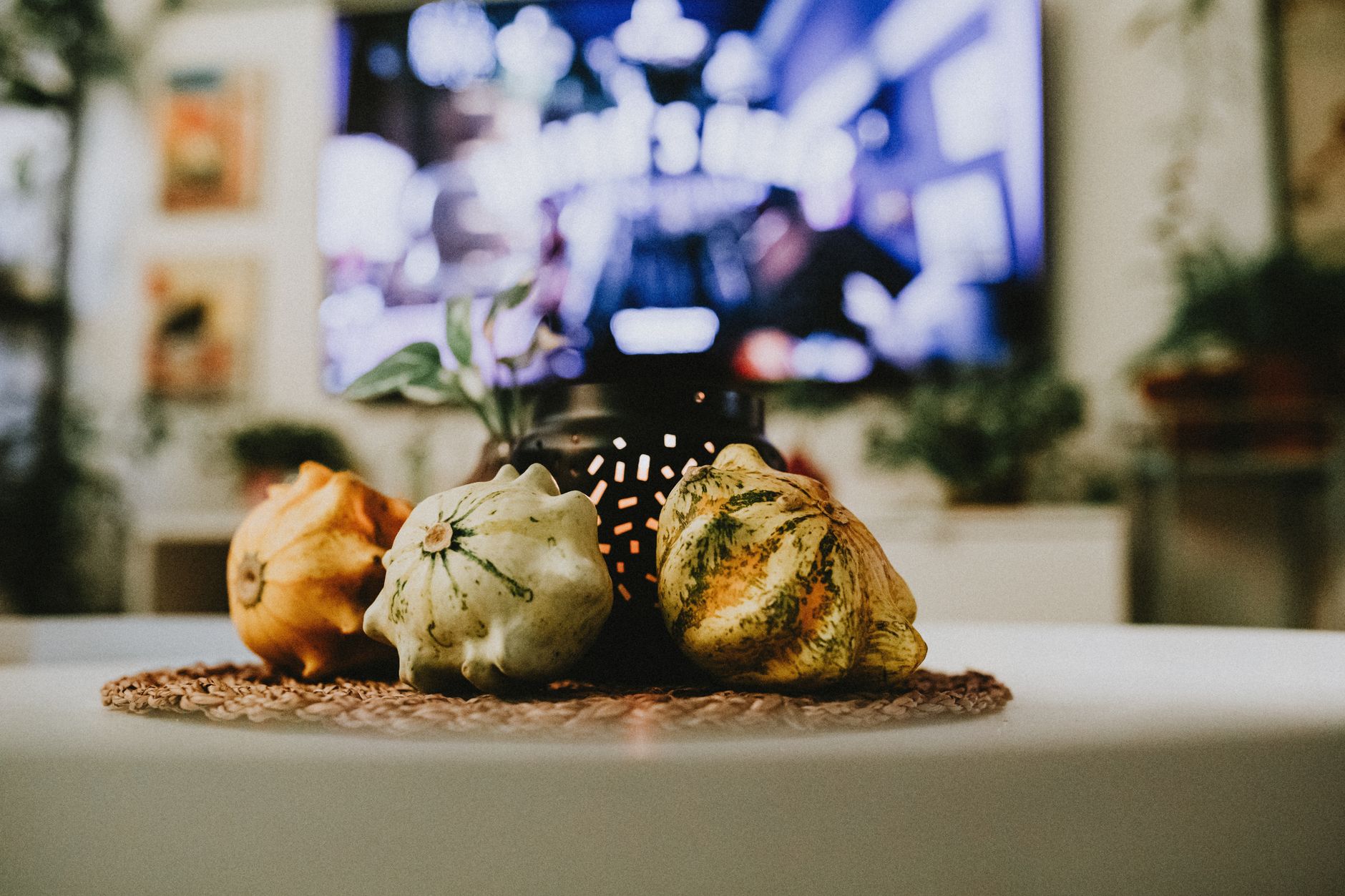
Current reporting from Global News emphasizes that contemporary fall decorating leans heavily into warm textures, vintage touches, and timeless accents. Rather than relying on fleeting novelties, this aesthetic focuses on durable, tactile elements that soften a room and create an immediate sense of comfort.
Incorporating these enduring elements provides a cohesive foundation that does not look out of place as the calendar moves from October harvest themes into November gratitude gatherings. When your core decor relies on classic materials rather than holiday-specific motifs, you avoid the jarring need to completely overhaul your living spaces every few weeks.
To integrate this trend effectively into your home, consider the following practical approaches:
- Layer heavier woven blankets, chunky knit throws, and tactile wool or velvet pillows across seating areas to instantly boost physical warmth and visual depth.
- Incorporate vintage touches, such as antique brass candleholders, weathered wooden trays, or heirloom serving pieces, which bring rich character and history to tabletops.
- Rely on timeless accents like amber glass, ceramic vessels, and matte metallic finishes that catch the autumn light without feeling tied to a single specific holiday.
While design trends often encourage buying new items, working with existing vintage finds or durable textiles you already own is a more sustainable strategy. If you do choose to shop for new decor, prioritize versatile pieces with organic patinas that can easily transition through multiple seasons of entertaining.
As you build these displays, keep practical household safety in mind. Real botanical elements, traditional wax candles, and electrical fairy lights still require proper stability, adequate clearance from fabrics, and mindful management during busy hosting events. Balancing aesthetic warmth with everyday safety ensures your seasonal updates remain both inviting and secure throughout the colder months.
Room-by-Room Pacing for Thanksgiving Preparation
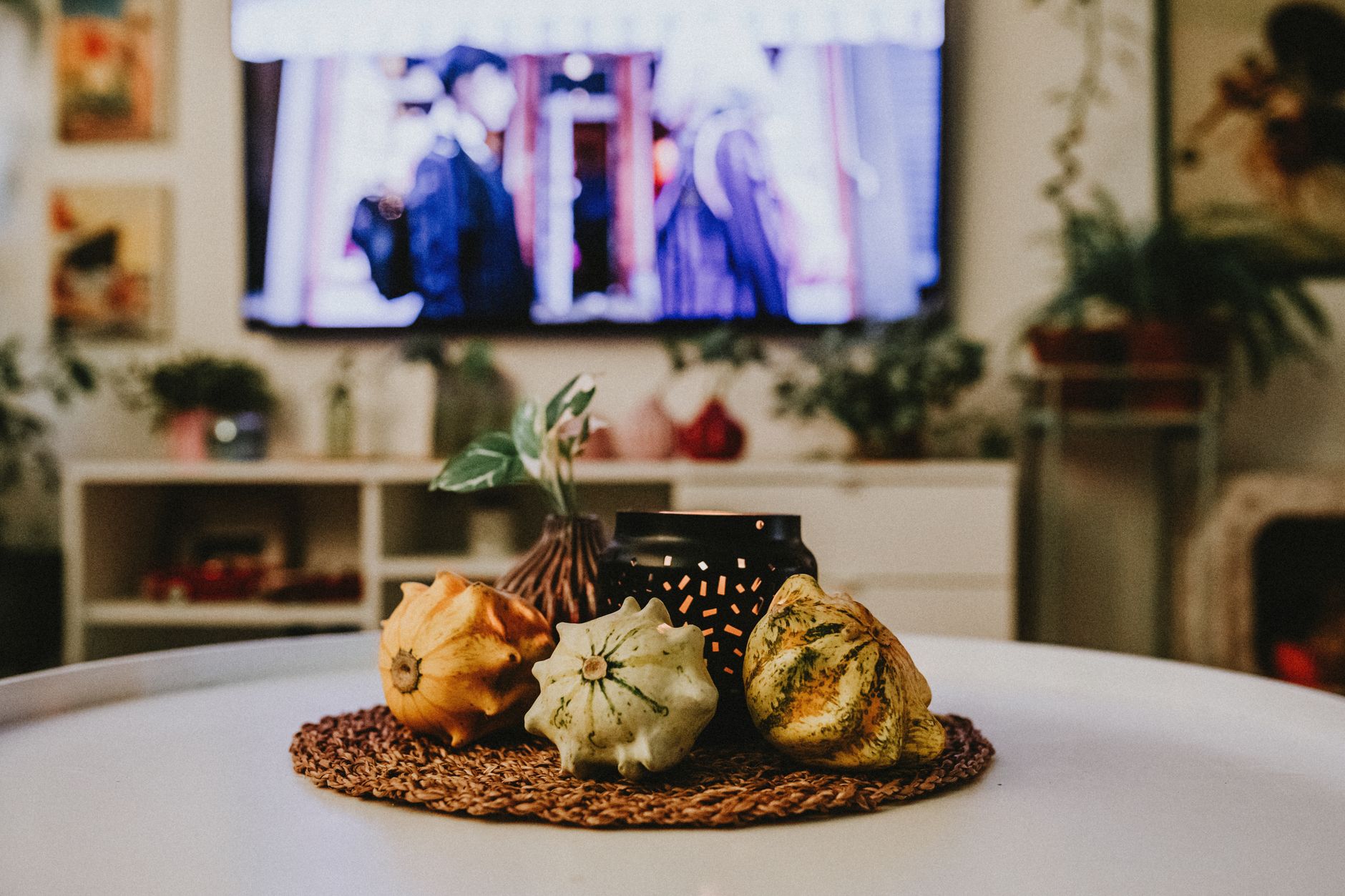
Preparing a home for Thanksgiving often triggers an impulse to overhaul every space simultaneously, but current home-styling guidance urges a more measured, room-by-room approach. According to recent lifestyle reporting from Homes & Gardens, successful holiday preparation relies on intentional, guest-ready zones rather than a whole-house decorating marathon. Attempting to style every room at once frequently leads to seasonal burnout, leaving hosts exhausted before guests even arrive.
Instead of spreading decorative energy thin across hallways, bedrooms, and unused corners, focus resources on high-impact gathering areas. The dining room, entryway, and main living space naturally draw the most attention during holiday gatherings. By concentrating styling efforts on these primary zones, you can create a cohesive and welcoming environment with significantly less physical effort and logistical stress.
To streamline the pacing of your holiday setup, consider the following targeted strategy:
- Prioritize the Entryway: Set a welcoming tone at the front door and foyer with a simple seasonal wreath or a sturdy floor vessel holding dried branches, ensuring a clutter-free path for arriving guests.
- Curate the Dining Table: Direct primary creative energy toward the Thanksgiving table itself, utilizing layered textiles, ambient candlelight, and a low-profile floral or branch centerpiece that encourages conversation.
- Keep Living Areas Functional: Refresh main seating zones with comfortable throws and warm-toned pillows, removing excess daily clutter to ensure adequate seating and clear sightlines rather than adding excessive decorative items.
While specific pacing strategies can vary depending on individual home layouts and guest counts, focusing strictly on active entertaining areas remains a reliable method for maintaining order. It remains uncertain whether adopting a room-by-room timeline entirely eliminates holiday stress for every household, but current reporting indicates that targeted curation prevents overwhelming clutter. By limiting decoration to intentional spaces, hosts can preserve both their energy and the functional comfort of their homes throughout the autumn and winter holiday season.
Vase-Led Transitions for Minimalist Styling
Vase-Led Transitions for Minimalist Styling
A versatile approach to seasonal shifts relies on a neutral vessel and a sturdy branch framework. By reusing the same foundational vase and structural branches, decorators can refresh a space with minimal effort simply by swapping out textiles, individual stems, accent lights, or small ornaments as the calendar moves from autumn into winter.
This minimalist method helps cut down on storage clutter and assembly time. Instead of purchasing entirely new displays for every distinct holiday, a single statement vase serves as an anchor point that adapts to changing seasonal moods through simple, targeted accessory updates.
Core Elements of a Reusable Branch Display
- The Anchor Vessel: A heavy, neutral ceramic, stone, or glass vase provides stability and complements shifting color palettes throughout the year.
- The Structural Framework: Dried branches, foraged twigs, or artificial wooden stems create height and architectural interest without needing frequent replacement.
- The Interchangeable Accents: Lightweight additions—such as fall foliage, velvet ribbons, fairy lights, or delicate winter ornaments—change the look instantly.
While this approach streamlines decorating, certain practical considerations require ongoing attention. Real branches, live candles, and electrical plug-in lights incorporated into tabletop displays demand careful clearance checks and stability management to prevent tipping or fire hazards. Securing heavier branches firmly inside the vessel base is essential when hanging delicate or slightly heavier ornaments.
Current design reporting highlights that transitional decorating methods are gaining traction for their efficiency and understated appeal. However, decorators should note that individual manufacturer guidelines for decorative lighting and open flames always take precedence over aesthetic choices to maintain household safety.
By focusing updates on easily swappable elements rather than altering the entire room’s layout, homes can maintain a curated, uncluttered feel. This strategy balances visual warmth with everyday practicality, ensuring that seasonal adjustments remain manageable from early autumn through the winter holidays.
Evaluating the Tradeoffs of Multi-Season Decor
While multi-season transition systems offer undeniable advantages in saving storage space and reducing setup time, they also introduce distinct design challenges. Adopting these adaptable displays requires careful curation to ensure your home decor does not end up looking visually confused or awkwardly unfinished.
When a single arrangement—such as a central vase-led display or a multi-season structural tree—must stretch across consecutive holidays, it risks losing the distinct visual impact that dedicated seasonal styling provides. Current reporting from October 2026 highlights a strong consumer push toward transitional strategies, yet stylists warn that bridging the gap between autumn motifs, Thanksgiving warmth, and winter celebrations demands a far more edited eye than sticking to traditional, single-holiday themes.
To prevent a display from feeling muddled, consider the following practical tradeoffs:
- Neutral Foundation vs. Thematic Clarity: Relying on neutral base layers—such as a classic ceramic vase or a stripped-back branch framework—helps anchor contrasting motifs. However, if the base is too neutral, it may fail to support the heavier, festive weight of late-winter holiday ornaments.
- Labor Savings vs. Editing Effort: While you avoid rebuilding displays from scratch, you trade physical labor for styling decisions. Swapping stems, textiles, and lighting requires constant micro-adjustments to ensure the transition looks intentional rather than lazy.
- Cohesion Risks: Mixing remnants of autumn textures with early winter accents can create visual clutter. Without strict color-palette boundaries, a transitioning space may feel cluttered rather than curated.
Ultimately, whether these modern styling methods are worth the effort depends on your tolerance for visual compromise. Transition trees and adaptable vessel frameworks streamline storage, but they require a disciplined approach to editing. If you prefer distinct, unmistakable holiday atmospheres, traditional single-season setups may still hold the upper hand.
Fire Safety and Structural Stability Considerations
As holiday displays evolve to span multiple celebrations, balancing aesthetic goals with rigorous physical safety is essential. Transitioning decorations from autumn into winter introduces unique physical demands on household furnishings, particularly when combining natural botanical elements, open flames, and electrical components within a single arrangement.
Real branches and dried botanical stems dry out over time, turning into highly flammable material. When incorporating decorative candles into seasonal tablescapes or vessel-led displays, it is vital to keep open flames safely away from dry foliage, paper goods, and trailing fabrics. Always place candles on stable, heat-resistant surfaces and never leave them unattended while lit.
Structural stability is equally critical when designing heavy vessel arrangements. Using a single neutral vase for multiple holidays often means swapping out lightweight autumn stems for heavier winter ornaments, lights, or dense evergreen boughs. Ensure that the vessel itself is heavy enough to counterbalance the height and weight of the branches inside, preventing accidental tipping, especially in high-traffic hallways or dining rooms.
Managing electrical cords safely is another vital consideration for multi-season lighting. Current reporting emphasizes continuous seasonal displays, but extending electrical connections across mantels, tables, and transition trees requires careful oversight:
- Inspect all light strings and electrical cords for frayed insulation, bent pins, or exposed wiring before plugging them in.
- Avoid overloading electrical outlets by daisy-chaining too many decorative lighting sets together.
- Route cords safely away from pathways to prevent tripping hazards, and keep them clear of hot candle surfaces.
By addressing these stability and fire-safety factors proactively, households can enjoy continuous seasonal displays with confidence, protecting both guests and living spaces throughout the transition from autumn through the winter holidays.
Storage and Off-Season Management for Interchangeable Decor
Adopting multi-season and transitional displays changes how households manage storage bins once a specific holiday passes. Because interchangeable decor relies on a core foundation of neutral vessels, evergreen branch frameworks, and versatile textiles, organizing these components efficiently prevents clutter and protects delicate items between switches. Instead of packing away entire thematic collections, segregating decorations by modular utility allows for a streamlined storage routine.
Start by grouping items into categories based on their transition windows. Permanent base pieces—such as heavy ceramic vases, neutral wreaths, and foundational garlands—should be stored in accessible containers because they remain in use across multiple seasons. Seasonal swap-outs, including autumn stems, faux pumpkins, Thanksgiving table runners, and winter ornaments, require protective wrapping but take up significantly less space than full-scale thematic rebuilds. Utilizing clear, labeled bins helps identify which textiles or botanical elements correspond to upcoming holiday shifts without needing to unpack every box.
When managing fragile components like glass ornaments, delicate taper candles, or preserved botanical stems, physical protection is essential to maintain longevity. Layering bins with acid-free tissue paper or bubble wrap prevents friction damage during storage transitions. Additionally, climate control plays a critical role in preserving seasonal items. Extreme temperature fluctuations in attics or dampness in uninsulated basements can warp wooden elements, degrade dried stems, or melt wax candles. Storing decorations in temperature-stable interior closets or climate-regulated storage spaces ensures that your investment in adaptable decor remains pristine and ready for the next seasonal pivot.
Budgeting and Sourcing Strategy for Interchangeable Elements
Building a multi-season decor strategy requires a shift in how household budgets are allocated. Rather than purchasing entirely new vignettes for Halloween, Thanksgiving, and the winter holidays, decorators are increasingly investing in high-quality base pieces that absorb the bulk of the holiday budget. This approach prioritizes durable, neutral foundations—such as heavy ceramic vessels, versatile faux greenery, and classic brass or wooden accents—which can be reused across multiple months. By spending more upfront on these adaptable core items, households can drastically reduce recurring seasonal spending on disposable novelties.
When expanding an existing collection, smart sourcing relies on identifying items with natural cross-season utility. For instance, dried botanicals, pinecones, and neutral plaid or velvet ribbons transition smoothly from an autumn tablescape into a winter mantelpiece with very little modification. To avoid clutter and buyer’s remorse, evaluate every potential purchase against a simple rule: the item must serve a clear purpose in at least two distinct holiday setups. Thrift stores, vintage markets, and local antique shops are particularly valuable for sourcing timeless accents like amber glass bottles, vintage brass candlesticks, and woven baskets that add character without tying your aesthetic to a single specific holiday.
Finally, keeping an inventory list of your foundational items before heading out to shop prevents duplicate purchases and minimizes storage headaches later in the year. When you treat your seasonal decor as a cohesive, evolving wardrobe rather than a series of isolated events, you gain both financial efficiency and a more harmonious, intentional look throughout the entire autumn and winter stretch.
Frequently Asked Questions
What is a transition tree in seasonal decor?
A transition tree is a seasonal display structure that can be restyled from autumn or Halloween into Christmas rather than completely rebuilt from scratch. According to coverage from Ideal Home, these adaptable installations allow households to maintain a foundational arrangement throughout the autumn months and then add winter ornaments or holiday details later. This approach saves time, reduces storage needs, and simplifies the process of shifting home aesthetics as the calendar moves from October into the winter holiday season. Using a single sturdy framework eliminates the effort of taking down one full display and setting up an entirely separate one a few weeks later.
How can I shift my decor from Halloween to Thanksgiving without starting over?
You can shift your decor smoothly by utilizing a vase-led transition that reuses the same neutral vessel and branch framework while swapping out smaller seasonal elements. Instead of completely resetting your living spaces, keep your base structures and change out textiles, stems, lights, or ornaments to reflect the changing holidays. For instance, swapping out spooky motifs for warm textures, vintage touches, and timeless autumn accents bridges the gap between Halloween and Thanksgiving effortlessly. This method minimizes physical labor, keeps holiday decorating affordable, and creates a cohesive visual flow across your home without requiring an entirely new set of decorative items for every single celebration.
Which fall decor elements remain timeless through the winter holidays?
Current seasonal reporting from Global News emphasizes that warm textures, vintage touches, and timeless accents remain popular and easily carry over from early fall into the winter holiday season. Neutral vases, classic branch frameworks, and ambient lighting elements provide a versatile foundation that adapts well to multiple celebrations. By choosing enduring materials rather than hyper-specific holiday novelties, you ensure your seasonal displays look intentional and cohesive for months. These classic elements blend seamlessly with traditional autumn pumpkins as well as later winter greenery, making them a practical and sustainable choice for long-term home styling throughout the entire cooler half of the year.
Is it better to decorate every room for the holidays at once?
Decorating every room at once is rarely necessary and can quickly lead to unnecessary clutter and burnout. Thanksgiving preparation guides from Homes & Gardens favor focusing on intentional guest-ready spaces and seasonal tables rather than attempting to transform the entire house simultaneously. Concentrating your efforts on high-impact areas where guests actually gather, such as the entryway, living room, and dining table, creates a more welcoming atmosphere with far less stress. This targeted approach allows you to curate thoughtful displays, maintain manageable cleaning routines, and truly enjoy your seasonal decor without feeling overwhelmed by an extensive whole-house decorating project.
What safety precautions apply to using real branches and candles in decor?
Using real branches, candles, and electrical lights in seasonal displays requires careful attention to stability and fire safety. Real branches can dry out over time, making them increasingly flammable, so they should be secured firmly in weighted vessels and kept well away from open flames, fireplaces, and heat sources. When incorporating candles into your centerpieces or mantel arrangements, always place them on stable, heat-resistant surfaces and never leave them burning unattended. Additionally, inspect any electrical lights for frayed cords or damaged plugs before plugging them into outlets to prevent electrical hazards throughout the busy holiday season.
Sources and updates
Details can change after the October 24, 2026 research cutoff. Check the linked sources and current local guidance before acting.
- Ideal Home: transition-tree trend (2026-10-18)
- Global News: fall home decor trends (2026-10-20)
- Homes & Gardens: preparing for Thanksgiving (2026-10-21)

Chloe Bennett is an interior stylist and ceramic enthusiast with a passion for curation. She specializes in finding the perfect vases to elevate home spaces, blending contemporary design with vintage aesthetics. Her expert guides help readers select, style, and care for unique vessels that transform ordinary rooms into art.