Home Decor Trends to Watch in Late 2026
As the calendar moves through late 2026, home decor shifts away from rigid seasonal overhauls and toward fluid, intentional styling. When exploring home decor trends to watch in late 2026, design coverage from October highlights practical ways to bridge the gap between autumn, Halloween, Thanksgiving, and the winter holidays without constantly rebuilding displays from scratch. Rather than clearing surfaces every few weeks, contemporary styling favors adaptable frameworks that evolve naturally.
This approach relies on strategic layering and timeless foundational pieces that reduce clutter and save time. By focusing on versatile focal points like transition trees, warm textures, vintage accents, and focused guest spaces, you can create a cohesive look that transitions smoothly through the final months of the year while keeping safety and simplicity in mind.

The Rise of the Transition Tree
Rather than taking down autumnal displays only to put up entirely new winter decorations, late 2026 styling introduces the concept of the transition tree. As highlighted by design publications in mid-October, these seasonal structures allow you to restyle the same foundational branches or artificial tree framework. You can shift from warm autumn leaves and subtle Halloween motifs directly into Thanksgiving elements and Christmas ornaments, saving time and storage space while maintaining a continuous aesthetic.
According to reporting from Ideal Home, transition trees function as structural pieces designed for easy restyling rather than being built from scratch for every single holiday. Instead of packing away an entire arrangement every few weeks, homeowners can swap out specific decorative elements. This approach bridges the gap between harvest season and the year-end holidays efficiently.
Implementing this concept in your own space relies on a few practical steps to keep the display looking intentional rather than cluttered:
- Establish a neutral foundation: Start with a sturdy base tree or a large vessel holding bare branches that can support multiple rounds of decorating without looking overcrowded.
- Layer textiles and stems gradually: Swap out dried autumn foliage, rust-colored ribbons, or rustic picks for metallic ornaments, winter berries, and velvet bows as the calendar progresses.
- Incorporate lighting safely: Integrate fairy lights or subtle electrical illumination early in the season, ensuring that all cords and bulbs remain stable and compliant with fire-safety guidelines when candles or dried natural elements are nearby.
While reports from mid-October indicate a rising interest in these adaptable displays, exact structural availability and specific product lifespans vary by manufacturer. Homeowners adapting existing artificial trees or foraging for real branches should always verify that heavy ornaments will not compromise the physical balance of the display.
Ultimately, the transition tree offers a practical middle ground for late-season hosting. By maintaining a single focal point and altering its details incrementally, you minimize storage clutter and reduce the physical effort required to refresh your interior design as autumn gives way to winter.
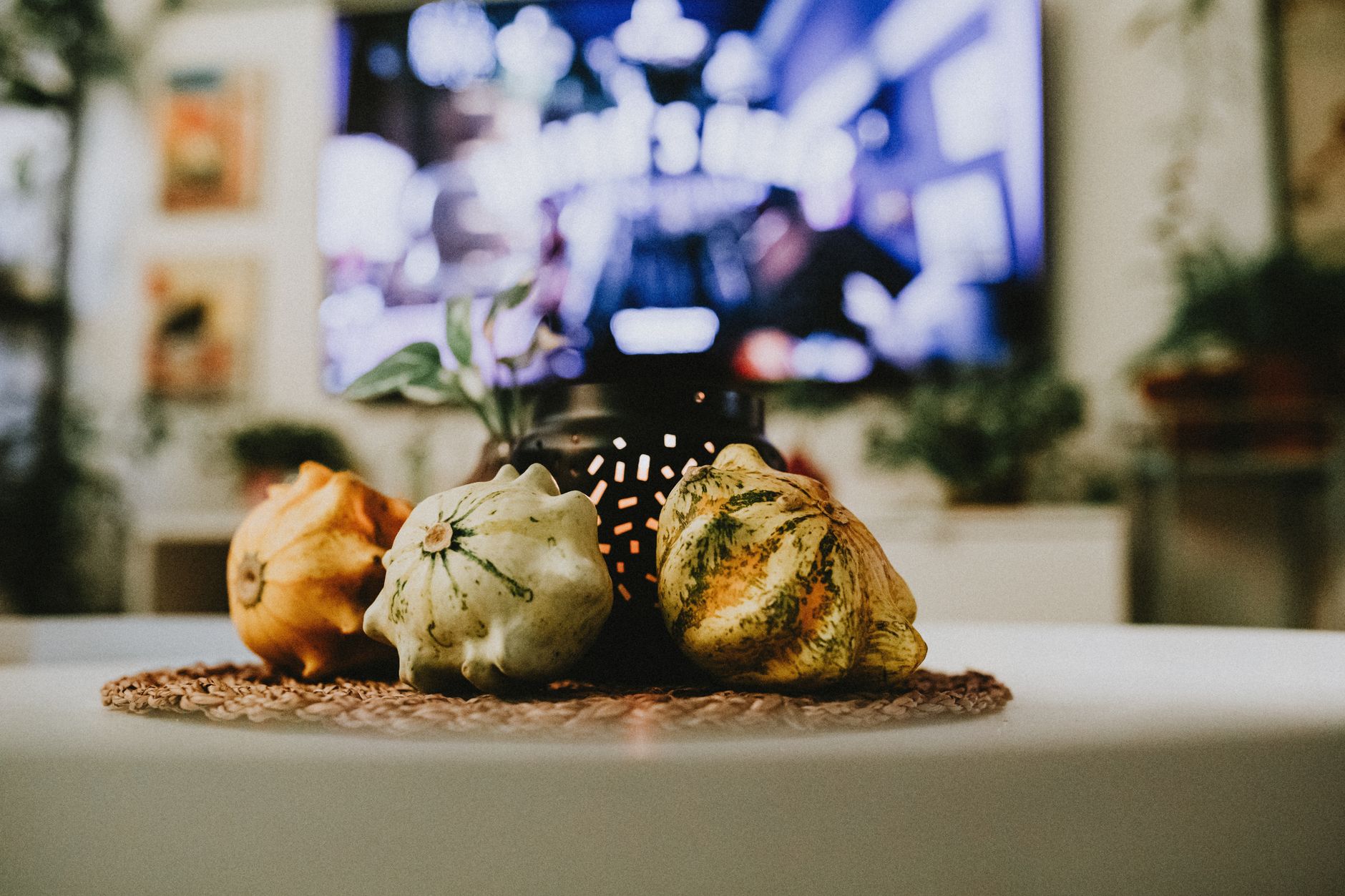
Embracing Warm Textures and Vintage Touches
Embracing Warm Textures and Vintage Touches
Current seasonal reporting emphasizes that autumn home design relies heavily on comfort and character through tactile layers and timeless accents. As evening temperatures drop across North America, recent lifestyle coverage notes a distinct shift toward tactile depth in living rooms and bedrooms.
Incorporating warm textiles such as wool, heavy linen, and brushed cotton immediately softens hard surfaces and adds visual weight to everyday furniture. These fabric choices create a grounded, lived-in atmosphere that feels welcoming without requiring a complete room overhaul. Designers are pairing these heavy textiles with vintage-inspired objects, heirloom candleholders, and muted metals to give spaces a curated, collected-over-time feel.
To integrate this look practically into your own home, focus on a few key updates:
- Layer chunky wool or woven throws over neutral sofas and accent chairs to invite physical comfort.
- Swap lightweight summer cushion covers for brushed cotton or heavy linen alternatives in earthy or muted tones.
- Display vintage brass candlesticks, amber glass vessels, or flea-market ceramics on open shelving and side tables.
- Introduce aged metal trays or weathered wooden bowls to corral smaller everyday items while adding subtle patina.
While current decorating guides widely praise the charm of vintage-inspired objects and heirloom pieces, finding authentic vintage items at scale can sometimes involve hunting through specialty shops or estate sales, making availability uncertain. However, newer decor items finished with antiqued patinas or distressed surfaces can offer a similar look if genuine antiques are difficult to source locally.
When blending tactile layers and vintage touches into your existing layout, the goal is to enhance comfort rather than crowd the room. By focusing on a few high-impact textiles and authentic-looking character pieces, you can achieve a deeply cozy, lived-in aesthetic that transitions smoothly through the autumn months and prepares your living spaces for the heavier entertaining season ahead.
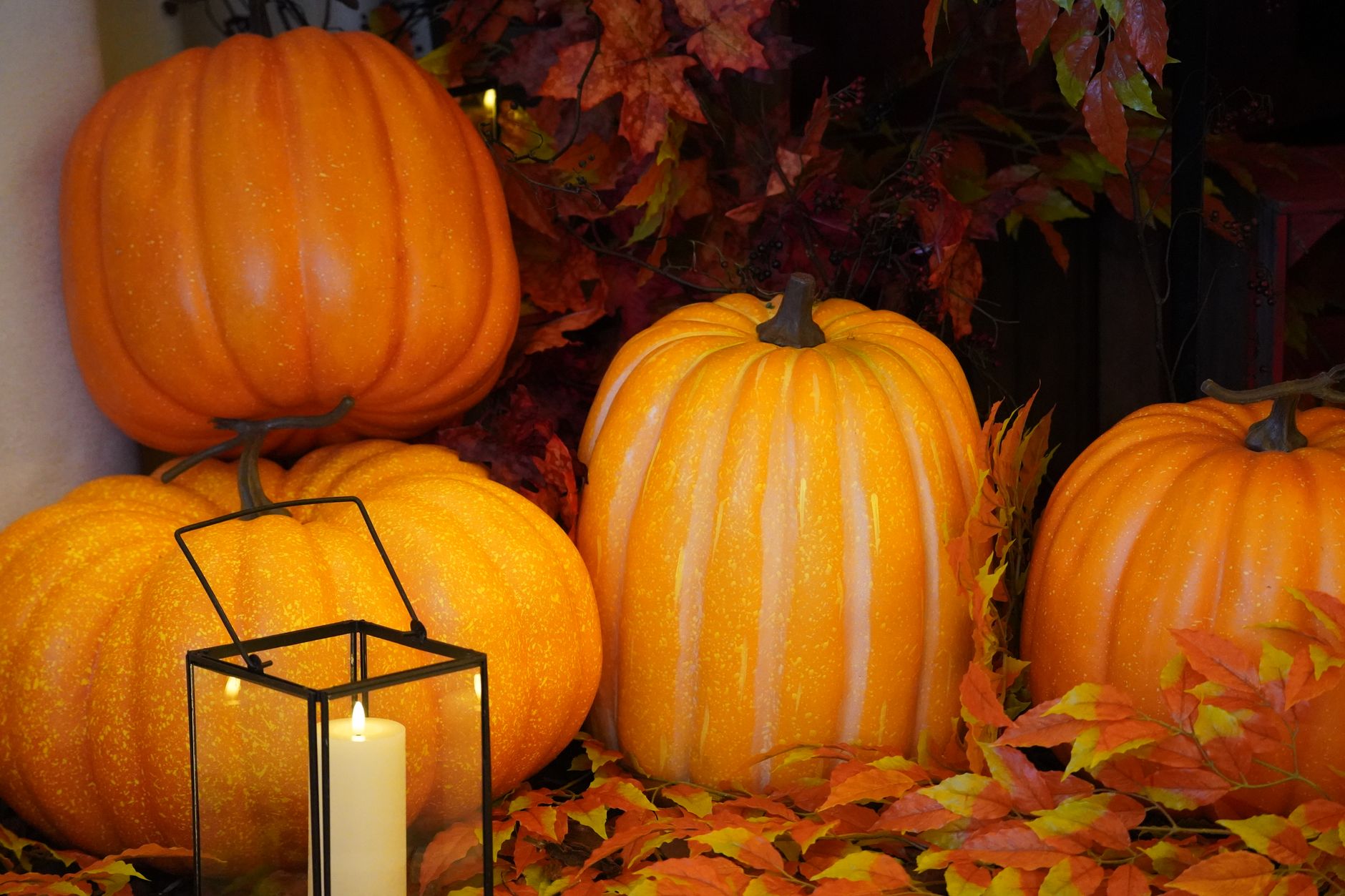
Intentional Spaces for Thanksgiving Preparation
Preparing your home for late-autumn gatherings does not require decorating every square foot at once. Editorial guidance from interior stylists encourages a targeted, streamlined approach that focuses heavily on guest-ready spaces and curated seasonal tables rather than an exhaustive house-wide overhaul.
According to current reporting from home and garden design sources, prioritizing high-impact areas helps reduce visual clutter, simplifies hosting preparation, and highlights what matters most during holiday meals. Instead of spreading decorative accents thinly across every hallway and guest bedroom, homeowners are advised to concentrate their efforts where visitors naturally gather: the entryway, living room seating zones, and the dining room.
Focusing your transition efforts on these key zones offers several practical advantages for late-season hosting:
- The Entryway: Establishing a welcoming threshold sets the tone for Thanksgiving visitors without overwhelming the rest of the floor plan. A simple console table display featuring seasonal foliage or a sturdy decorative vessel creates an immediate impression.
- The Living Room: Centering warmth and comfort around main seating areas ensures guests feel accommodated. Layering soft textiles and ambient lighting makes the primary social space feel intentional and cozy.
- The Dining Room: Directing creative energy toward the table elevates the main meal. A thoughtfully arranged centerpiece acts as the visual anchor of the room, reducing the need for surrounding distractions.
While specific styling preferences vary, current design commentary suggests that a restrained, room-by-room strategy prevents holiday fatigue. By channeling your energy into these selected focal points, you create a cohesive environment that feels both sophisticated and manageable as the season transitions toward the winter holidays.
Mastering the Vessel-Led Styling Method
A versatile vase serves as an ideal anchor for transitional decorating as the calendar moves toward the colder months. By investing in a neutral, high-quality vessel and a sturdy branch framework, you can easily refresh your vignettes week by week without rebuilding your displays from scratch. This method keeps your living spaces cohesive while adapting seamlessly to shifting seasonal milestones.
Recent seasonal coverage indicates that leaning into flexible design elements helps reduce seasonal clutter and decorating fatigue. Instead of overhauling every room at once, focusing your efforts on a single, adaptable focal point allows you to transition smoothly from early autumn gatherings into Thanksgiving and the winter holidays.
To master the vessel-led approach in your own home, consider these practical styling steps:
- Select a timeless base: Choose a neutral, substantial vase that complements your permanent furniture and room palette, ensuring it can support heavier branches without tipping.
- Establish a strong framework: Arrange durable real or faux branches first, creating height and structural interest that remains appropriate across multiple seasons.
- Layer seasonal swaps: Exchange dried autumn leaves and grasses for winter berries, weave in delicate fairy lights, or hang lightweight ornaments as holidays approach.
When working with natural elements, real branches, uncontained candles, and electrical lighting require careful attention to stability and fire safety. Always ensure heavy stems are wedged securely inside the vessel to prevent accidents, and keep trailing cords or open flames away from dry botanical materials.
While reports emphasize that these flexible styling methods are gaining traction for late-year decorating, personal home layouts and regional plant availability will dictate how your specific arrangement comes together. Experimenting with small visual adjustments week by week offers a practical, low-waste way to keep your console tables, entryways, and mantels feeling fresh and intentional all season long.
Practical Safety for Extended Seasonal Displays
As late-season home decor displays incorporate natural elements, candles, and electrical lights for months at a time, safety requires careful attention. Extended holiday setups mean organic materials sit indoors longer, and electrical loads multiply as you transition from autumn gatherings into winter festivities. Keeping your home secure while enjoying layered seasonal lighting calls for a few mindful habits.
According to current safety guidelines for seasonal decorating, real branches and heavy stems must always be securely anchored in a sturdy vase or weighted base to prevent tipping. As foliage dries out over weeks indoors, it becomes increasingly flammable. Keep open flames, taper candles, and seasonal luminaires safely away from dried leaves, pampas grass, and heavy textiles.
Inspect holiday string lights thoroughly before weaving them through your branches or tabletop centerpieces. Look for frayed cords, cracked bulb sockets, or loose connections, and never overload electrical outlets with multiple high-wattage extension cords. Turning off decorative lights and extinguishing candles before going to sleep or leaving the house remains essential.
Simple, consistent precautions protect your living space while you enjoy cozy, layered seasonal lighting through the darker months. By combining intentional styling with everyday caution, your extended holiday displays can remain both welcoming and secure.
Streamlining Holiday Storage and Transition
Transitioning smoothly from October through December relies on smart organization. Group your decorative items by material and season in labeled bins rather than packing everything away entirely. Keeping transitional staples—such as neutral linens, candle pillars, and foundational glassware—accessible makes shifting from a Thanksgiving table setting to a winter holiday tableau seamless.
Recent coverage published in mid-October 2026 highlights a growing shift toward practical seasonal strategies. According to late-October reporting from Homes & Gardens focused on Thanksgiving preparation, editorial advice favors intentional guest-ready spaces and curated seasonal tables over the exhausting approach of completely decorating every single room at once. Rather than tearing down displays after Halloween, focusing on targeted focal points saves time and reduces storage clutter.
Smart Storing Strategies for Late-Season Decor
Implementing a systematic storage routine during the autumn-to-winter shift keeps delicate items protected while maintaining easy access to versatile foundational pieces:
- Categorize by material: Store fragile ceramics, glassware, and heavy metallics separately from soft textiles like table runners, throws, and cloth napkins.
- Keep neutrals accessible: Designate a front-facing bin exclusively for neutral-toned pillars, clear glass vessels, and plain wooden trays that work across multiple holidays.
- Label by transition phase: Instead of packing boxes by strict calendar months, label bins by function—such as “Tabletop Transition,” “Ambient Lighting,” or “Winter Greenery”—to streamline the swap between November and December.
As home decor trends continue to emphasize sustainability and ease, clever storage acts as the backbone of a stress-free holiday season. By organizing foundational hardware, lights, and vessels in advance, refreshing your living spaces for upcoming festivities requires minimal effort. While specific storage containers and shelving configurations depend entirely on individual household layouts, adopting a tiered approach helps bridge the gap between distinct seasonal celebrations with minimal hassle.
Transitioning Lighting and Ambient Layers
As daylight hours shorten through late autumn and into the winter holidays, shifting the ambient lighting within your home is one of the most effective ways to support a changing seasonal mood. Moving away from harsh overhead fixtures in favor of layered, warm-toned illumination helps highlight textures like velvet, ceramic, and natural wood without requiring a complete overhaul of your main furniture pieces. Strategic placement of low-wattage accent lamps, battery-operated candles, and subtle fairy lights can effortlessly bridge the gap between Halloween, Thanksgiving, and the December festivities.
When designing these lighting layers, consider how fixtures interact with your seasonal focal points, such as transition trees or a centerpiece vessel arranged on a dining table or entryway console. Swapping out cool-toned bulbs for warmer amber hues instantly softens a room, making vintage touches and heavier textiles feel more inviting as temperatures drop. For displays incorporating real branches, dried florals, or seasonal foliage, position delicate string lights or taper candles at a safe distance from dry botanical elements. This mindful approach to lighting not only enhances the cozy atmosphere characteristic of late-year decor but also ensures your transitional spaces remain safe, welcoming, and adaptable for every gathering.
Practical Buying and Setup Checklist
As the design calendar shifts from autumn harvests toward winter celebrations, thoughtful preparation helps keep your living spaces adaptable without requiring a complete design overhaul every few weeks. Focusing on multi-use foundations allows you to update your rooms efficiently while maintaining a cohesive look throughout the final months of the year.
A smart transition strategy starts with choosing versatile base elements that can bridge multiple holidays. Instead of purchasing entirely separate collections for Halloween, Thanksgiving, and the winter festivities, prioritize durable, neutral anchor pieces. Textured ceramic vessels, foundational greenery frameworks, and classic candleholders can serve as the reliable backbone for changing displays as the season progresses.
When selecting decor components for late-year updates, look for items that offer maximum flexibility. The following checklist outlines key steps for building a sustainable, stylish seasonal display:
- Invest in a neutral anchor vessel: Choose a sturdy, high-quality vase or urn in a solid neutral tone that complements various color palettes, from deep autumn terracotta to winter whites and metallic accents.
- Utilize adaptable structural frames: Build permanent or semi-permanent branch arrangements using real or faux stems that can transition from fall foliage and decorative pumpkins to autumn berries and delicate winter ornaments.
- Layer with interchangeable textiles: Keep large furniture and heavy decor fixed while swapping smaller soft accents—such as throw pillow covers, table runners, and cloth napkins—to signal the shift from October gatherings to November feasts and December holidays.
- Incorporate multi-season lighting: Use versatile illumination like warm fairy lights, taper candles, or pillar candles that provide cozy ambiance for crisp autumn nights and transition seamlessly into holiday tablescapes.
- Prioritize safety for live elements: Ensure that real branches, dried florals, and open flames are kept stable, secured away from high-traffic zones, and positioned safely clear of textiles or heating vents.
- Focus on intentional focal points: Rather than decorating every corner of the home at once, concentrate your styling efforts on high-impact areas like the entryway table, living room mantel, and main dining surface to create a welcoming, guest-ready environment with less effort.
By relying on a core structural setup and making small, intentional updates to your accessories, you can smoothly navigate the seasonal transitions while keeping your home organized, inviting, and effortlessly stylish.
Frequently Asked Questions
What is a transition tree and how does it work?
A transition tree is a clever seasonal display structure designed to be restyled progressively from autumn or Halloween straight into Christmas without requiring you to build an entirely new holiday display from scratch. Instead of taking down your setup every few weeks, you keep the foundational branches or base frame intact and simply swap out the hanging elements. As the calendar moves forward, you can transition the look by replacing spooky autumn stems, pumpkins, or rustic harvest picks with festive winter ornaments, ribbons, and holiday lights. This streamlined approach saves storage space, reduces setup time, and lets your seasonal decor evolve naturally throughout the final months of the year.
How can I update my fall decor for Thanksgiving without buying new items?
You can seamlessly update your existing fall decor for Thanksgiving by shifting your focus toward intentional, guest-ready arrangements rather than trying to overhaul every single room at once. Begin by refining your centerpiece displays, concentrating heavily on the dining table and primary gathering spaces where guests naturally congregate. Shop your own home by repurposing everyday items, moving neutral vessels to prominent spots, and gathering natural elements like fallen leaves, pinecones, or dried branches from the yard. Swapping out lightweight summer textiles for heavier woven throws and reusable cloth napkins instantly creates a warm, welcoming, and hospitable atmosphere without spending money on brand-new holiday merchandise.
What home decor textures are trending for late 2026?
Current seasonal home decor coverage emphasizes a rich mix of warm textures, vintage touches, and timeless accents designed to make living spaces feel cozy and grounded. Interior styling relies heavily on tactile elements such as chunky knits, brushed metals, weathered wood finishes, and heavy ceramics that add instant depth to flat surfaces. Pairing these tactile surfaces with classic vintage vessels and heirloom-inspired accessories helps bridge the gap between rustic autumn aesthetics and refined winter hospitality. Incorporating these layered, organic textures creates an inviting environment that feels both sophisticated and comfortable for family members and holiday guests alike throughout the late-season transition.
How do I safely incorporate candles and lights into dry branch arrangements?
Safely incorporating candles and electrical lights into dry branch arrangements requires careful attention to stability and fire safety, as dried botanical materials ignite very easily. Always ensure your foundational vessel is weighted securely so the entire arrangement cannot tip over easily when cords or candles are introduced nearby. Keep open flames at a safe distance from fragile twigs, pine needles, and paper elements, opting for flameless LED candles whenever possible to eliminate fire hazards entirely. When using electric string lights, inspect the cords for fraying, avoid overloading electrical outlets, and always switch off decorative illumination before leaving the room unattended or heading to bed.
Which rooms should I focus on first when preparing my home for late-year guests?
When preparing your living spaces for late-year guests and Thanksgiving gatherings, it is best to focus your initial efforts on the primary gathering areas rather than trying to decorate every single room all at once. Prioritize the entryway, living room, and dining room, as these high-traffic zones are where visitors spend the majority of their time socializing and sharing meals. Establishing a warm, uncluttered, and welcoming atmosphere in these central locations creates an immediate positive impression. By concentrating your decorating energy where it matters most, you can reduce holiday stress, keep your home functional, and still deliver a thoughtfully curated seasonal experience for your family and invited guests.
Sources and updates
Details can change after the October 24, 2026 research cutoff. Check the linked sources and current local guidance before acting.
- Ideal Home: transition-tree trend (2026-10-18)
- Global News: fall home decor trends (2026-10-20)
- Homes & Gardens: preparing for Thanksgiving (2026-10-21)

Chloe Bennett is an interior stylist and ceramic enthusiast with a passion for curation. She specializes in finding the perfect vases to elevate home spaces, blending contemporary design with vintage aesthetics. Her expert guides help readers select, style, and care for unique vessels that transform ordinary rooms into art.