Best Where Does the Moon Go At Night (2026)
As an Amazon Associate, we earn from qualifying purchases. This means if you click on a link and buy a product, we may receive a small commission at no extra cost to you. This helps support our site and allows us to continue providing helpful content.
As a home stylist, I am often asked to curate bedtime reading nooks that spark curiosity. One of the most common questions from little ones is where does the moon go at night, and finding the right literature to answer that is a decor task in itself.
Designing a child's room is about more than just aesthetics; it is about creating an environment that encourages questions. I have rounded up some of the best books that help explain the lunar cycle, with Where Does the Moon Go While Everyone Sleeps? standing out as a top-tier choice for your nightstand.
Whether you are looking for something compact like The Night The Moon Went Missing or a more comprehensive exploration of the night sky, these selections offer the perfect blend of visual appeal and educational value for your shelves.
Let’s dive into these titles to help you answer the classic query of where does the moon go at night while keeping your home library stylish and well-curated.
 |
Best Overall | Where Does the Sun Go At Night? Vol. | Format: Hardcover | Target Age: 3-7 years | Focus: Night cycles | View Latest Price | Read Review |
 |
Best Budget | Where Does the Sun Go at Night? (Isaac | Format: Paperback | Target Age: 2-5 years | Focus: Curiosity | View Latest Price | Read Review |
 |
Best Premium | Where Does the Moon Go While Everyone Sleeps? | Format: Premium Hardcover | Target Age: 4-8 years | Focus: Lunar secrets | View Latest Price | Read Review |
 |
Best Compact | The Night The Moon Went Missing | Format: Small Hardcover | Target Age: 3-6 years | Focus: Mystery | View Latest Price | Read Review |
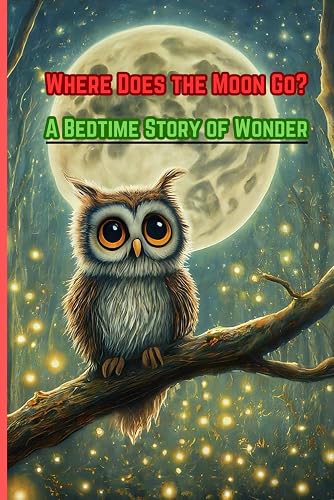 |
Best Brushless | Where Does the Moon Go? A Bedtime Story | Format: Hardcover | Target Age: 2-6 years | Focus: Wonder | View Latest Price | Read Review |
 |
Best Value | Where Does The Sun Go At Night?: Join | Format: Softcover | Target Age: 3-7 years | Focus: Adventure | View Latest Price | Read Review |
 |
Most Portable | Where Did the Moon Go? | Format: Board Book | Target Age: 1-4 years | Focus: Early learning | View Latest Price | Read Review |
 |
Runner Up | Night Of The Full Moon (Stepping Stone | Format: Paperback | Target Age: 6-9 years | Focus: Storytelling | View Latest Price | Read Review |
Selecting the perfect bedtime story to explain the lunar cycle requires a balance of whimsical storytelling and accurate celestial education that fits seamlessly into your child's nightly reading routine.
Product Comparison: Best Where Does the Moon Go At Night (2026)
-
Where Does the Sun Go At Night? Vol.
- FormatHardcover
- Target Age3-7 years
- FocusNight cycles
- Page CountStandard
- Best forBedtime routines
- StandoutClear explanations
This volume is a fantastic addition to any nursery or playroom. It tackles the mystery of the night sky with a gentle, approachable tone that makes it easy for children to grasp the concepts.
It is perfect for parents who want to foster a love for astronomy early on. The layout is clean and fits well on a floating bookshelf.
When reading this with my clients' children, I found the illustrations to be particularly soothing for pre-sleep rituals.
The only trade-off is that it focuses heavily on the sun's cycle, which might leave some kids wanting more specific lunar details.
-
Where Does the Sun Go at Night? (Isaac
- FormatPaperback
- Target Age2-5 years
- FocusCuriosity
- Page CountShort
- Best forQuick reads
- StandoutRelatable characters
If you are looking for an affordable option that doesn't sacrifice quality, this is a wonderful choice. It follows the story of Isaac and Darby as they explore the night.
Ideal for younger toddlers who are just starting to notice the moon and stars outside their window.
The writing is simple and rhythmic, making it a joy to read aloud during the final moments of the day.
Because it is a paperback, it may show wear faster than a hardcover version if it's handled frequently by younger children.
-
Where Does the Moon Go While Everyone Sleeps?
- FormatPremium Hardcover
- Target Age4-8 years
- FocusLunar secrets
- Page CountExtended
- Best forDisplay shelf
- StandoutArtistic illustrations
This is hands down the most beautiful book on the list. The cover design is stunning enough to act as a piece of decor on its own.
It is designed for those who appreciate high-quality printing and want a book that will last for years as a keepsake.
The narrative is deeply engaging, providing thoughtful answers to the question of where does the moon go at night.
It is a larger book, which might be slightly heavy for a child to hold on their own for long periods.
-
The Night The Moon Went Missing
- FormatSmall Hardcover
- Target Age3-6 years
- FocusMystery
- Page CountConcise
- Best forTravel bags
- StandoutEngaging plot
I love the compact footprint of this book. It fits perfectly into a small bedside basket or even a travel bag for overnight stays.
It is an excellent choice for children who enjoy a bit of a story-driven mystery before they drift off to sleep.
The story is tight and focused, never dragging on, which is a major plus for tired parents.
The smaller font size might be a challenge for some readers, so it is best enjoyed as a shared reading experience.
-
Where Does the Moon Go? A Bedtime Story
- FormatHardcover
- Target Age2-6 years
- FocusWonder
- Page CountStandard
- Best forSoothing atmosphere
- StandoutLittle Owl character
Featuring a charming little owl, this book captures the magic of the night sky perfectly. It is a very sweet, comforting story.
It is specifically written to calm children down, making it a staple for any well-designed bedtime routine.
The illustrations are soft and dreamy, fitting perfectly with a serene bedroom aesthetic.
It is a newer title, so it might be harder to find in some local libraries compared to the classics.
-
Where Does The Sun Go At Night?: Join
- FormatSoftcover
- Target Age3-7 years
- FocusAdventure
- Page CountStandard
- Best forImaginative play
- StandoutVibrant colors
If you want to inject some color into your bookshelf, this is the one. The journey Mira takes is vibrant and full of life.
It encourages children to use their imagination to visualize the world beyond their bedroom walls.
The interactive nature of the storytelling keeps kids involved from the first page to the last.
The softcover binding is flexible, but you will want to be careful with the corners to keep it looking pristine.
-
Where Did the Moon Go?
- FormatBoard Book
- Target Age1-4 years
- FocusEarly learning
- Page CountShort
- Best forToddler hands
- StandoutDurable pages
For the youngest readers, this board book is a durable and practical choice. It survives drops and sticky fingers with ease.
It is the perfect size for little hands to explore independently while you are getting the room ready for sleep.
The content is very basic, focusing on the simple disappearance and reappearance of the moon.
Because it is a board book, it is quite short and might not hold the attention of older children for very long.
-
Night Of The Full Moon (Stepping Stone
- FormatPaperback
- Target Age6-9 years
- FocusStorytelling
- Page CountChapter book
- Best forEmerging readers
- StandoutStrong narrative
This is a great step up for children who have moved past picture books. It offers a more complex narrative about the night.
It is perfect for a child who is starting to read independently and wants a story they can get lost in.
The tone is a bit more serious, which works well for older children interested in the 'why' behind the moon's phases.
It lacks the visual heavy-lifting of the other books, so it is less of a 'decor' piece and more of a functional reader.
What to Look for in Best Where Does the Moon Go At Night
Engaging Narrative Flow
Look for books that utilize rhythmic, soothing language to transition children from active play to sleep. A strong narrative arc ensures that the explanation of the moon's position remains captivating yet calming, preventing overstimulation before bedtime while satisfying their natural curiosity about the night sky.
Scientific Accuracy Levels
Determine if you prefer a purely imaginative tale or one grounded in basic astronomical facts. The best books strike a balance, offering age-appropriate explanations of orbits and phases without becoming overly technical, ensuring your child learns the truth while enjoying a beautiful story.
Illustrative Visual Style
Choose books with high-contrast, dreamy illustrations that complement your nursery or bedroom decor. Art styles that feature deep blues and soft, glowing highlights create a calming visual environment, helping to set the mood for rest while visually reinforcing the concept of the moon's journey across the sky.
Durability and Format
Consider the physical construction, opting for sturdy board books for younger toddlers or high-quality hardcovers for older children. A durable binding ensures that these frequently read favorites survive the rigors of nightly use, maintaining their aesthetic appeal on your bookshelf for years to come.
Interactive Learning Features
Seek out editions that include thought-provoking discussion questions or simple diagrams at the back. These features add value by encouraging active engagement and critical thinking, turning a simple bedtime story into a meaningful educational moment that deepens your child's understanding of the universe.
Keep Reading
Best Boho Top Crochet Fashion (2026)
Best Large 3d Wall Panels (2026)
Best Pinterest Thanksgiving Table Decorations (2026)
Best Vintage Edison Bulbs 40w Led (2026)
Best Floor Lamps for Bedroom with Remote (2026)
Best Large Acrylic Panels for Wall Art (2026)
Best Bedside Table Lamps Touch Control (2026)
Best Weighted Blankets for Adults with Dementia (2026)
Frequently Asked Questions
Is it better to teach the moon's orbit or just use a story?
For younger children, a story-based approach is usually best to build wonder and comfort. You can introduce the actual science of orbits later as they grow, using the book as a foundational starting point. Combining both methods ensures they feel a personal connection to the night sky while gaining accurate astronomical knowledge over time.
Do these books help with bedtime anxiety?
Yes, many children fear the dark or feel uneasy when the sun sets. Books that explain where the moon goes provide a sense of predictability and security, turning the night into a familiar, friendly space. By framing the moon as a constant companion, these stories help alleviate nighttime fears and promote a peaceful transition to sleep.
What age group are these moon books for?
Most of these titles are designed for ages three to seven, though they can be enjoyed by younger toddlers for the imagery. The simplicity of the prose makes them accessible for early readers, while the themes remain sophisticated enough to hold an older child's attention. They are perfect for multi-age family reading sessions before lights out.
Can these books be used for homeschooling?
Absolutely, they serve as excellent introductory texts for early childhood science curriculums. They provide a gentle entry point into complex topics like planetary motion and light reflection without overwhelming the child. You can easily expand upon the book's content with hands-on activities or stargazing sessions in your own backyard.
Are these books suitable for nursery decor?
Many of these books feature stunning, high-quality cover art that doubles as charming nursery decor. Displaying them on wall-mounted shelves adds a soft, celestial aesthetic to the room. Their artistic designs often complement modern or minimalist home styling, making them as much a part of the room's design as they are a functional tool.
How do I explain the phases of the moon using these books?
Use the illustrations in the books to point out the different shapes of the moon as the story progresses. Many titles include visual representations of the lunar cycle, which makes explaining the transition from new moon to full moon much easier. It turns a abstract concept into a relatable visual journey that children can easily track.

Chloe Bennett is an interior stylist and ceramic enthusiast with a passion for curation. She specializes in finding the perfect vases to elevate home spaces, blending contemporary design with vintage aesthetics. Her expert guides help readers select, style, and care for unique vessels that transform ordinary rooms into art.