Best Ceramic Vase Design Ideas in 2026
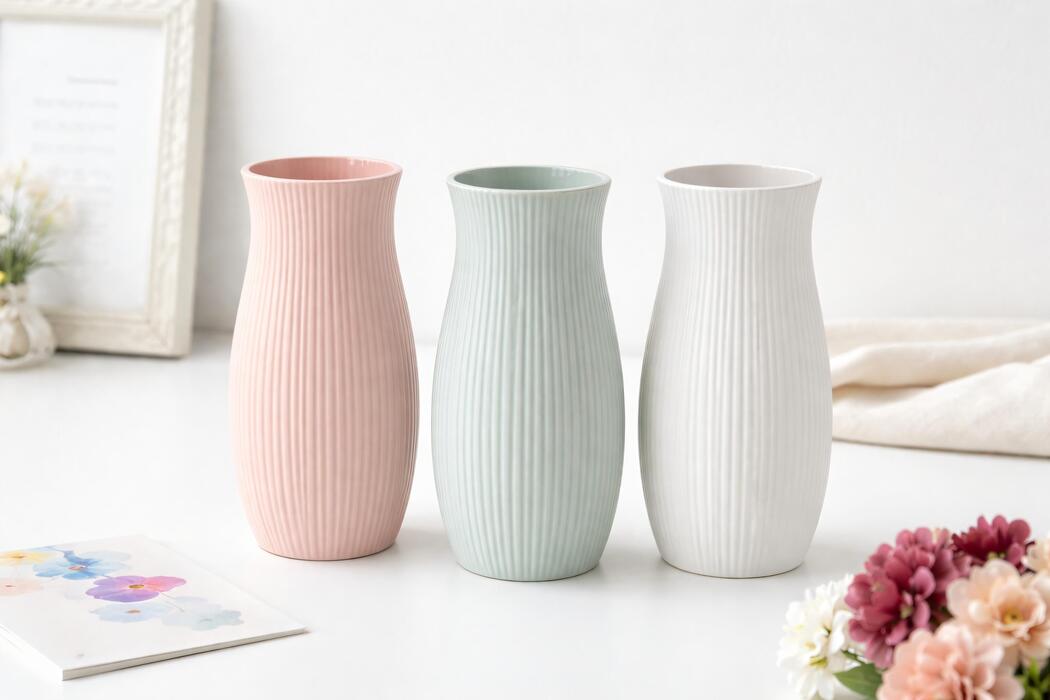
When it comes to ceramic vase design ideas, the key is balancing form, function, and personal expression. We’re talking about everything from minimalist modern shapes to intricately hand-painted pieces. Think about how the vase itself becomes a centerpiece, not just a container. It’s about creating visual harmony in any space.
In our experience, the best ceramic vase design ideas truly emerge when you consider both the vessel and its intended contents. We recommend exploring various textures, glazes, and silhouettes to find what resonates with your aesthetic. We found that a well-chosen vase elevates flowers, branches, or even stands beautifully on its own.
Here’s an insider tip many overlook: the negative space around your ceramic vase is as important as the vase itself. Think about how the empty areas contribute to the overall composition. A simple vase can feel monumental when surrounded by thoughtful, uncluttered space, enhancing its presence significantly.
A common misconception is that a ceramic vase must perfectly match your decor. Instead, we believe a truly great design can offer a delightful contrast. Don’t be afraid to choose a vase that stands out and makes a statement, rather than blending in. It’s about creating visual interest, not just conformity.
Ready to transform your home with stunning vessels? This guide will dive deep into countless ceramic vase design ideas, offering practical advice and inspiration. We’ll cover everything you need to select, style, and showcase these beautiful art pieces. Let’s find your perfect match!
In This Guide
The Complete Guide to Ceramic Vase Design Ideas
Diving into the world of ceramic vase design offers an incredible opportunity for creative expression and functional art. We’ve seen how a thoughtfully crafted vase can transform any space, acting as a standalone sculpture or a vessel for beautiful botanicals.
This guide aims to unlock the potential within this versatile medium, from classic forms to avant-garde aesthetics, providing you with a solid foundation for your own projects.
Our experience shows that the best ceramic vase designs blend both artistry and utility seamlessly. A truly exceptional piece doesn’t just hold flowers; it enhances the entire room’s ambiance, reflecting personality and style. We’ll explore various approaches, from minimalist Scandinavian designs to intricate, hand-painted patterns, ensuring you find inspiration for every taste and decor scheme.
The journey from a lump of clay to a finished, elegant vase is both challenging and rewarding. We believe understanding each stage, from initial concept sketches to the final firing process, is crucial for success.
This comprehensive guide will walk you through the essential elements, helping you navigate material choices, shaping techniques, and decorative finishes to achieve your desired aesthetic and functionality.
Everything You Need to Know Before Starting
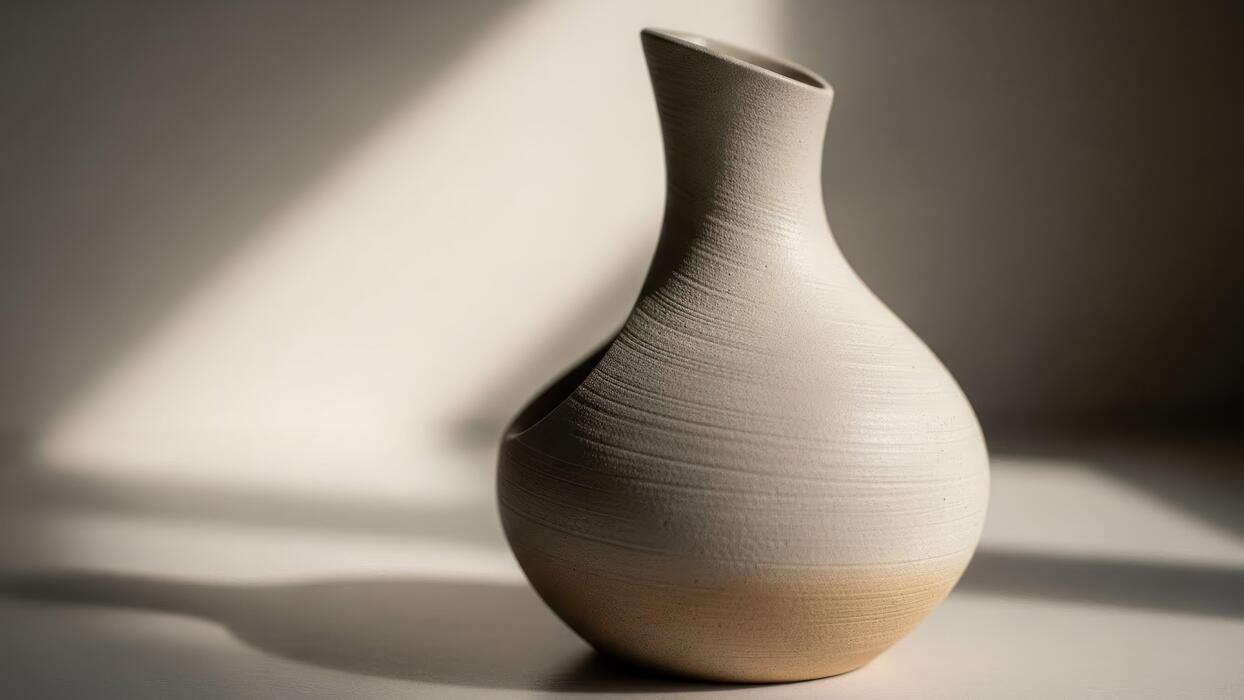
Before you even touch a lump of clay, we recommend a thorough planning phase. Consider the vase’s intended purpose and placement: will it hold a single stem or a large bouquet? Is it for a bright, airy living room or a cozy, rustic den?
Thinking about the dimensions, color palette, and overall aesthetic will significantly streamline your design process and prevent common pitfalls.
Understanding the properties of different clay bodies is paramount for successful ceramic design. We primarily work with three types: earthenware, known for its porosity and lower firing temperatures; stoneware, highly durable and versatile; and porcelain, celebrated for its delicate translucency and strength.
Each choice impacts the final look, feel, and durability of your vase, influencing glaze adherence and overall artistic expression.
Equipping yourself with the right tools and a keen awareness of safety protocols is non-negotiable. While basic hand-building tools are accessible, working with a pottery wheel requires practice and precision. Importantly, handling glazes and operating a kiln demands respect for temperatures often exceeding 2000°F (1093°C).
Always prioritize ventilation and protective gear when mixing glazes or loading/unloading hot kilns to ensure a safe creative environment.
Step-by-Step Breakdown
| Step | Description | Key Considerations | Pro Tip |
|---|---|---|---|
| 1. Conceptualization & Sketching | Define the vase’s purpose, aesthetic, and dimensions. Sketch multiple ideas to visualize the form and decorative elements. | Target audience, interior style, flower type, overall balance. | Create a mood board with images, colors, and textures for inspiration. |
| 2. Clay Preparation & Forming | Choose your clay, wedge it to remove air bubbles, then begin shaping using hand-building (coil, slab, pinch) or wheel-throwing techniques. | Clay consistency, wall thickness, structural integrity, symmetry. | Keep clay moist but not wet; slow and steady wins the race on the wheel. |
| 3. Drying & Bisque Firing | Allow the greenware to dry slowly and evenly to prevent cracking. Once “bone dry,” fire it in a kiln to bisque (first firing) stage. | Even drying (cover with plastic), proper ventilation, bisque temperature (e.g., Cone 08-04). | Monitor drying carefully; a slow bisque fire minimizes thermal shock risks. |
| 4. Glazing & Decorating | Apply glazes, underglazes, or other decorative finishes to the bisqued piece. Consider dipping, brushing, spraying, or sponging techniques. | Glaze compatibility with clay, desired texture, color interaction, food safety if applicable. | Test glazes on small test tiles first to predict final color and finish. |
| 5. Glaze Firing | Load the glazed vase into the kiln for its final, higher-temperature firing, which melts the glaze into a durable, glassy surface. | Kiln schedule (slow ramp up/down), proper cone placement (e.g., Cone 6-10), ventilation. | Ensure pieces aren’t touching each other or kiln shelves to prevent sticking. |
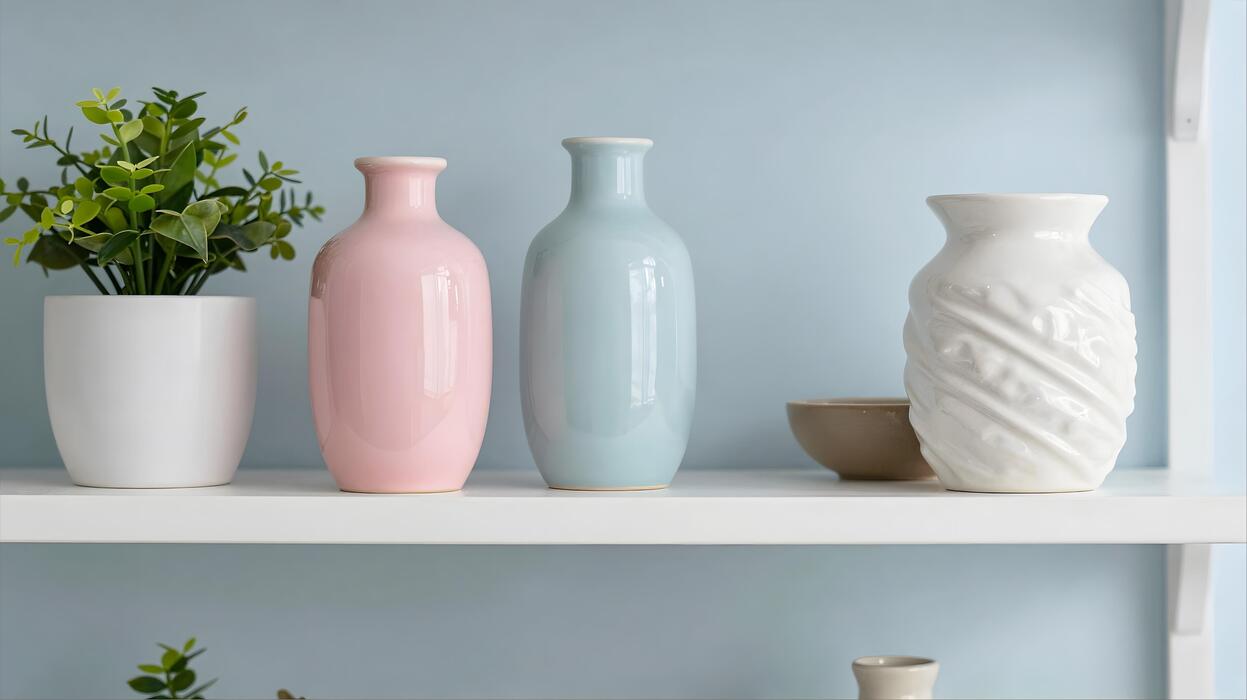
This table provides a simplified overview of the ceramic vase creation process. While each stage demands careful attention and practice, we’ve distilled the core actions to give you a clear roadmap. Remember, ceramic art is an iterative process, and gaining proficiency comes with hands-on experience and a willingness to learn from every piece you create.
Our experts often emphasize that perfection is not the primary goal, especially when starting out. Embrace the learning curve; each experiment, even those with unexpected outcomes, contributes to your understanding of the material and techniques. It’s through these explorations that you truly begin to develop your unique artistic voice and approach to design.
Ultimately, these steps serve as a foundation for your creative journey. We encourage you to experiment with different clay bodies, explore various forming methods, and play with a wide array of glazes and decorative elements. The most compelling ceramic vase designs often emerge from a blend of technical skill, artistic intuition, and a willingness to push creative boundaries.
Common Mistakes People Make with Ceramic Vase Design Ideas
One of the most frequent missteps we observe is neglecting scale and proportion. People often choose a vase that’s either too small for a grand arrangement or too massive for a delicate sprig. A tiny vase can get lost on a large dining table, while an oversized one can overwhelm a small side table or a single bloom.
We recommend always considering the surrounding space and the intended contents to ensure a harmonious visual balance.
Another common pitfall is overlooking the existing room aesthetics and color palette. A beautifully crafted ceramic vase can clash dramatically if its style, color, or finish doesn’t complement the room’s decor. For instance, a rustic, unglazed piece might look out of place in a sleek, minimalist setting.
We advise viewing the vase not just as a vessel, but as an integral decorative element that should enhance, rather than detract from, your overall interior design scheme.
Finally, many tend to forget about functionality and maintenance when selecting a vase. An exquisite design might be impractical if its opening is too narrow for arranging flowers or if its unique shape makes cleaning difficult. We’ve found that neglecting these practical aspects can lead to frustration and diminish the enjoyment of your ceramic piece.
Always consider how easily you can fill, arrange, and clean your vase to ensure its long-term appeal and utility.
Pro Tips That Make a Real Difference
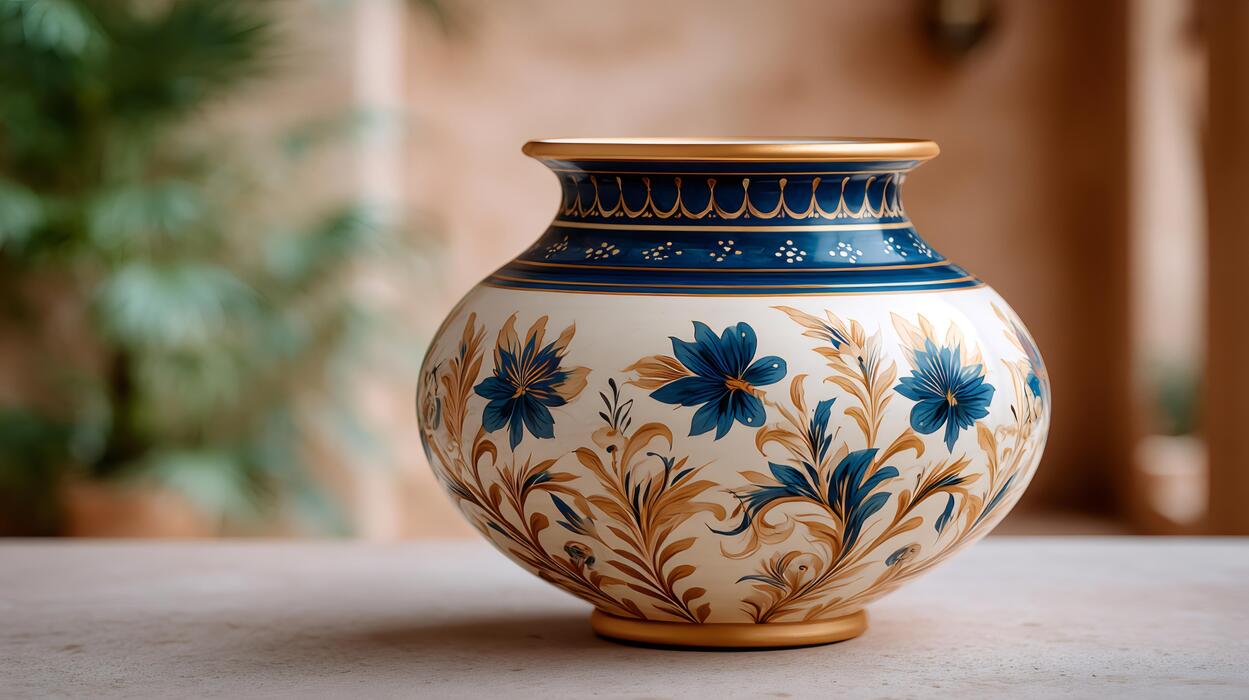
To truly elevate your ceramic vase styling, we suggest you embrace texture and finish variety. Don’t limit yourself to standard glossy glazes; explore matte, reactive, or even unglazed bisque finishes. These subtle differences add incredible depth and visual interest, making a simple vase feel more artisanal and sophisticated.
A textured vase can catch light in unique ways, transforming a mundane corner into a focal point without needing elaborate floral arrangements.
Think beyond fresh flowers – we encourage you to style with objects. Ceramic vases are incredibly versatile and can beautifully display sculptural branches, dried botanicals, or even serve as standalone art pieces. Grouping several empty vases of varying heights and forms can create a compelling sculptural vignette.
This approach offers a low-maintenance yet highly impactful way to incorporate ceramic beauty into your home year-round, proving that a vase doesn’t always need blooms to shine.
We recommend you curate collections and create vignettes to tell a visual story. Instead of scattering single vases, group them thoughtfully. Combine vases of different heights, shapes, and textures, ensuring they share a common thread like color family or material finish. Anchor your vignette with a tray, a stack of books, or a striking piece of art behind them.
This thoughtful arrangement creates a cohesive and engaging display, far more impactful than isolated pieces.
Frequently Asked Questions About Ceramic Vase Design Ideas
How do I choose the right size vase for my flowers? We typically recommend the “rule of thirds” for optimal balance. The height of your vase should ideally be about one-third to one-half the total height of your floral arrangement, including the flowers. This proportion provides stability and a visually pleasing aesthetic.
Also, consider the width of the opening; it should be appropriate for the number of stems you plan to use, ensuring they stand upright and are well-supported.
Can I mix different styles of ceramic vases? Absolutely, and we encourage it! Mixing styles can create a rich, eclectic, and personal look. The key is to find a unifying element, such as a consistent color palette, a shared material (all ceramic), or a common theme (e.g., organic forms).
We suggest grouping them in odd numbers – three or five – to create an appealing visual flow. This approach allows for creative expression while maintaining a cohesive and intentional design.
What are some low-maintenance ways to style ceramic vases? For effortless elegance, we suggest using dried flowers, preserved eucalyptus, or sculptural branches like curly willow or pussy willow. These options require no water and maintain their beauty indefinitely. You can also let the vase stand alone as a decorative object; a beautifully designed ceramic piece needs no adornment.
Placing an empty, artful vase on a shelf or mantel adds a sophisticated, minimalist touch that requires zero upkeep.
Frequently Asked Questions
What are popular styles of ceramic vases?
We’ve observed several popular styles. Minimalist designs with clean lines and matte finishes are trending, perfect for modern interiors. Bohemian styles often feature earthy tones, textured surfaces, or intricate patterns. We also see a rise in organic shapes, inspired by nature, and classic mid-century modern forms with a retro appeal.
For a touch of elegance, we often recommend sculptural or art deco-inspired pieces that double as stand-alone decor.
How do I choose the right size ceramic vase for my space?
When selecting a size, we advise considering both the vase’s intended contents and its surroundings. For a large statement piece, we suggest a vase that’s roughly one-third to one-half the height of the surface it sits on, or even a floor vase for empty corners. For a tabletop, we find that a vase around 8-12 inches tall is often ideal.
We also recommend assessing the visual weight; a larger vase can anchor a space, while smaller ones add delicate accents.
What’s the difference between glazed and unglazed ceramic vases?
We find the primary difference lies in their finish and properties. Glazed ceramic vases have a protective, often shiny or matte, coating that makes them waterproof and easy to clean, ideal for fresh flowers. Unglazed ceramic vases, like terracotta or bisque, have a porous, matte, and often rustic texture.
They are breathable, which can be beneficial for certain plants, but we caution that they might leach water, making them better for dried arrangements or as decorative covers for potted plants.
Can I use ceramic vases outdoors?
We generally recommend caution when using ceramic vases outdoors, especially in climates with freezing temperatures. While many are durable, unglazed ceramics are porous and can absorb water, leading to cracking if the water freezes and expands. Even some glazed vases can be susceptible to damage from extreme weather fluctuations.
If you wish to use them outside, we advise bringing them indoors during winter or choosing specifically labeled weather-resistant outdoor ceramics for longevity.
How can I decorate an empty ceramic vase?
We believe an empty ceramic vase can be a captivating decor piece on its own. To decorate, we suggest placing it as a sculptural element on a bookshelf, mantel, or side table. You can group it with other vases of varying heights and textures for an interesting vignette.
Alternatively, we recommend filling it with non-floral elements like decorative branches, dried pampas grass, faux botanicals, or even LED fairy lights to create a warm, inviting glow.
Final Thoughts
We hope this exploration of ceramic vase design ideas has sparked your creativity and provided valuable insights. From minimalist elegance to bohemian charm, the versatility of ceramic vases allows for endless possibilities in transforming your living spaces.
We’ve seen how a thoughtfully chosen vase can elevate an entire room, acting as both a functional container and a stunning piece of art. We encourage you to embrace experimentation and find pieces that truly resonate with your personal style.
As you embark on your own ceramic vase design journey, we encourage you to start small. Perhaps pick one area in your home that could benefit from a touch of ceramic beauty. Consider the existing colors and textures, and then let your imagination guide you.
We believe that with a little creativity, you can effortlessly integrate these timeless pieces into your decor, creating inviting and aesthetically pleasing environments for yourself and your loved ones.

Chloe Bennett is an interior stylist and ceramic enthusiast with a passion for curation. She specializes in finding the perfect vases to elevate home spaces, blending contemporary design with vintage aesthetics. Her expert guides help readers select, style, and care for unique vessels that transform ordinary rooms into art.