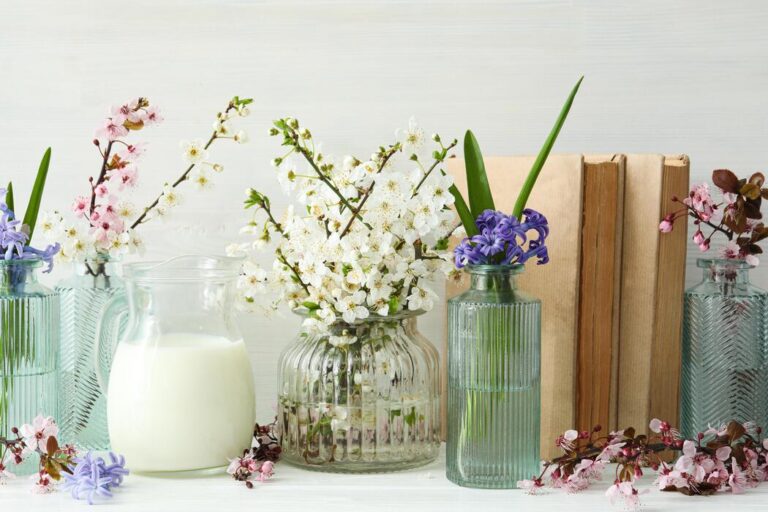
Crafts to Do with Vases: Top Picks for 2026
If you’re looking for crafts to do with vases, the answer is simple: we can turn plain glass, ceramic, or thrifted pieces into decor that feels custom, useful, and giftable. From painting and wrapping to layering textures and seasonal styling, vase crafts are an easy way to refresh a room without buying much at all.
We found that the best vase projects are the ones that match your space and skill level. In our experience, a little paint, adhesive, or twine can change the whole look fast. We recommend starting with pieces you already have, then building up with details that make them feel finished, not overworked.
One insider tip most guides miss: the vase shape should guide the craft. Tall, narrow vases look best with vertical treatments like wrapped cord or painted stripes, while round vases can handle bolder patterns and layered textures. We’ve also learned that leaving one small area clean often makes the whole design look more intentional.
A common mistake with crafts to do with vases is treating every vase like a flower holder first and a design object second. That usually leads to cluttered results or fragile finishes. We’ve found that the strongest projects start with the vase as decor, then add function only if it still feels balanced and practical.
Below, we’ve gathered the easiest and most stylish ways to make vases feel new again. Whether we want quick weekend projects or polished pieces for gifting, this guide breaks down ideas that are simple to try and easy to personalize.
In This Guide
- Easy crafts to do with vases that make any room feel more finished
- Vase painting ideas: from matte color blocks to hand-drawn patterns
- Turn old jars and vases into chic DIY home decor
- Seasonal vase crafts for holidays, parties, and gifting
- Crafts to do with vases
- Filling a vase without flowers: creative materials that actually look good
- Decorating vase crafts with ribbon, twine, beads, and natural textures
- How to make your vase craft last longer without chipping or fading
Easy crafts to do with vases that make any room feel more finished
One of the simplest ways we recommend refreshing a space is by treating vases like styling anchors rather than just containers for flowers. A single ceramic vase on a shelf, entry table, or bathroom counter can instantly make the room feel more intentional.
We suggest grouping 3 pieces in varying heights for a balanced look, then mixing in dried stems, branches, or even empty sculptural forms for texture.
For a quick upgrade, try filling a clear vase with layered materials such as river stones, sand, coffee beans, or preserved moss. In our experience, these small details add depth without requiring advanced crafting skills. Matte ribbon, twine, or a narrow band of paint around the neck can also help a plain vase feel custom.
The key is to repeat colors already in the room so the piece feels integrated, not random.
We also suggest using vases to solve visual gaps that make a room look unfinished. A slim vase on a mantel softens hard lines, while a wide-bodied vase can visually anchor a large, empty surface. If a space feels flat, add one tall element, one rounded element, and one textured element nearby.
That combination creates the layered, styled look designers often rely on to make a room feel complete.
Vase painting ideas: from matte color blocks to hand-drawn patterns
Paint is one of the most budget-friendly ways we can transform a vase, especially when the shape is good but the finish feels dated. Matte color blocking is a standout option: tape off sections and paint one half in chalky white, deep terracotta, or soft sage for a modern look.
We recommend using acrylic paint and a sealant if the vase will be handled often.
For something more personal, hand-drawn patterns give even simple thrifted vases a collected, artistic feel. Thin stripes, abstract dots, brushy florals, and simple line art all work well, especially on smooth ceramic surfaces. We suggest sketching lightly with a pencil first, then using a fine brush or paint pen to keep the design clean.
Imperfect lines can actually add charm, so there is no need to aim for factory-perfect symmetry.
If you want the painted vase to feel elevated rather than crafty, limit the palette to 2 or 3 tones and repeat one accent color throughout the room. A dark base with a pale graphic pattern often reads more sophisticated than too many bright shades.
In our experience, the best results come from balancing contrast and restraint: bold enough to notice, subtle enough to live with every day.
Turn old jars and vases into chic DIY home decor
Old jars and leftover vases are excellent candidates for a style refresh because their shapes usually already work well; they just need a better finish. We suggest starting by removing labels, scrubbing off residue, and checking for chips before decorating.
From there, a simple update such as frosted spray paint, rope wrapping, or a fabric sleeve can change the entire mood. Even a plain mason jar can look surprisingly polished with the right texture.
To turn them into chic decor, think beyond flowers. A repurposed vase can hold utensils in the kitchen, brushes in a studio, reeds in a bathroom, or seasonal branches on a console table. In our experience, grouping mismatched jars by color family makes them feel intentionally curated.
For extra refinement, add a narrow leather tie, a painted rim, or a small tag with handwritten lettering.
We also recommend combining old jars and vases into a single vignette instead of displaying them separately. For example, place a tall bottle vase beside a squat jam jar and a medium-height ceramic vessel to create visual rhythm. Mix opaque and transparent finishes, then vary the contents with dried florals, twigs, or candles.
The result feels collected over time, which is exactly what makes DIY decor look chic rather than homemade.
Seasonal vase crafts for holidays, parties, and gifting
Seasonal vase crafts work best when we treat the vase as a base layer and build the theme around color, texture, and finish. For winter holidays, we suggest frosted spray paint, metallic ribbon, and a cluster of evergreen sprigs; for spring gatherings, pastel tissue, pressed florals, and lace give a softer feel.
Small changes like a 2-inch ribbon wrap or a hand-tied tag can make a plain vase feel gift-ready fast.
For parties, we like crafts that can be made in groups of 3 to 12 vases so the whole table looks intentional. Try wrapping glass vases with twine for rustic events, using adhesive vinyl cutouts for birthdays, or adding confetti inside clear cylinders for a playful look.
If the vase will be handled often, we recommend sealing painted surfaces with a clear topcoat so the finish survives transport, condensation, and repeated use.
When gifting, the most successful vase crafts usually feel personal without becoming too specific to one occasion. A monogram decal, a color palette that matches the recipient’s home, or a seasonal filler like pinecones, citrus slices, or dried lavender helps the gift feel thoughtful.
In our experience, pairing the vase with a simple care card or a matching stem bundle makes the present feel complete and more polished.
Crafts to do with vases
| Craft idea | Best vase type | Difficulty | Best use |
|---|---|---|---|
| Painted geometric vase | Clear glass or ceramic | Easy | Shelves, centerpieces, gifting |
| Twine-wrapped rustic vase | Wide glass or bottle-shaped vase | Easy | Farmhouse décor, weddings, entryways |
| Decoupage floral vase | Glass, porcelain, or metal | Moderate | Spring décor, handmade gifts |
| Sand-and-candle display vase | Tall cylinder vase | Easy | Parties, events, mantel styling |
| Layered filler vase | Clear vase of any shape | Easy | Everyday styling, seasonal refreshes |
There are a lot of easy crafts to do with vases, but the best results usually come from matching the technique to the vase shape. Tall cylinders are ideal for layered fillers and candles, while squat or rounded vases work better for paint, decoupage, and wrapped textures.
We suggest starting with one strong idea rather than combining too many materials, because clean contrast almost always looks more expensive.
Paint is still one of the most versatile options, especially if we use painter’s tape to create crisp stripes, arches, or color blocks. Wrapping with jute, ribbon, or leather cord adds texture without much mess, and decoupage lets us turn leftover paper, napkins, or book pages into a unique design.
For beginners, these crafts are practical because they rely on low-cost supplies and forgiving techniques.
If we want a vase craft that feels more finished, we recommend thinking about the final setting before starting. A dining table centerpiece needs height and stability, while a shelf piece can be lighter and more decorative.
In our experience, adding one elevated detail, such as a metallic rim, frosted edge, or layered filler, makes even a simple vase look intentionally styled rather than homemade in a rushed way.
Filling a vase without flowers: creative materials that actually look good
Filling a vase without flowers is easiest when we choose materials that create shape, repetition, and contrast. Pebbles, marbles, beads, dried beans, coffee beans, and sand all work well because they settle cleanly and read visually from across a room.
Clear vases usually look best with layered materials, while opaque vases benefit from fuller fillers like pinecones, driftwood, or bundles of dried stems.
To keep the arrangement from feeling random, we suggest using a simple rule: repeat one material at least 3 times or build in layers of two to four colors. For example, black sand with white shells feels modern, while corks or wooden balls give a warmer, more organic look.
If the vase is tall, a hidden support like crumpled paper or a smaller inner container can help fillers stay upright and visible.
Some of the most attractive non-floral vase fills are also the most unexpected. Dried citrus slices, cinnamon sticks, faux fruit, folded paper stars, or even stacked ornaments can look great when the palette is controlled. We recommend avoiding overcrowding, because negative space helps the materials stand out.
The goal is not to stuff the vase; it is to create a composition that feels balanced, deliberate, and easy to change with the season.
Decorating Vase Crafts with Ribbon, Twine, Beads, and Natural Textures
Ribbon is one of the easiest ways we can transform a plain vase into something polished or playful. We suggest starting with a clean glass or ceramic surface, then wrapping 1/4-inch to 1-inch ribbon around the neck, base, or in vertical bands for a cleaner look.
Satin gives a dressier finish, while grosgrain and burlap ribbon create a more handmade feel. A small dot of strong craft glue every few inches helps keep the ribbon neat and secure.
Twine and beads add dimension without overwhelming the vase. In our experience, natural jute twine works especially well on clear glass because it adds warmth and texture instantly. Try wrapping twine in alternating sections, leaving gaps for painted areas or labels, or combine it with wooden beads for a boho look.
For extra interest, we recommend mixing bead sizes—such as 6 mm, 8 mm, and 10 mm beads—so the finished piece feels layered rather than flat.
Natural textures are where vase crafts really start to feel custom. Dried raffia, wheat stems, lace, cork, and thin strips of bark can all be layered around the neck or base for a rustic finish. A matte adhesive usually works better than glossy glue here because it disappears more easily under fibers and fibers stay more natural-looking.
The key is balance: if the vase already has a busy pattern, keep the texture minimal so the design stays elegant and intentional.
How to Make Your Vase Craft Last Longer Without Chipping or Fading
Durability starts before decoration even begins. We recommend washing the vase with mild soap, drying it completely, and wiping it with rubbing alcohol to remove oil and dust before adding paint, glue, or embellishments. If you’re painting glass or ceramic, a primer made for the surface can make a big difference in how well the finish bonds.
Skipping prep is one of the fastest ways to end up with peeling edges or uneven coverage later.
Sealing the surface is equally important, especially if the vase will sit in bright light or be handled often. A clear acrylic sealer in matte, satin, or gloss can protect paint, ribbon ends, and delicate details from fading and scuffs. We suggest applying 2 to 3 light coats rather than one heavy coat, letting each layer dry fully.
For vases used with fresh flowers and water, keep the sealant on the outside only to avoid clouding the finish.
Placement and care matter more than most people expect. Direct sunlight can fade painted or dyed elements within weeks, so we usually recommend keeping finished vase crafts away from windows or using UV-protective spray if exposure is unavoidable. Dust with a soft microfiber cloth rather than soaking the piece, and avoid abrasive cleaners altogether.
Gentle handling is the real secret—when we combine the right materials with careful storage, vase crafts can stay beautiful for years.
Frequently Asked Questions
What can we make out of old vases?
We can turn old vases into centerpieces, planters, candle holders, utensil crocks, or painted decor. In our experience, the easiest projects start with a simple clean-and-style approach, such as adding dried flowers, twine, or spray paint. For a more functional craft, we can use a vase as storage for brushes, kitchen tools, or seasonal items.
How do we decorate a plain vase?
We can decorate a plain vase with paint, ribbon, twine, washi tape, stickers, or frosted glass spray. One of the most searched and easiest methods is painting geometric patterns or adding a textured finish. If we want a more natural look, we can wrap the vase with jute or add pressed flowers with decoupage glue for a handmade feel.
What paint works best on glass vases?
For glass vases, we usually recommend acrylic paint with a primer or glass paint for better adhesion. Spray paint also works well if we want an even finish. To help the paint last, we should clean the vase thoroughly first and let each coat dry fully. Sealing the project with a clear topcoat can improve durability.
How can we make a vase look expensive on a budget?
We can make a vase look expensive by using neutral colors, matte finishes, and simple shapes. In our experience, adding faux stone texture, gold trim, or a monochrome paint job creates a high-end look without much cost. Fresh greenery, dried stems, or a few large flowers can also elevate the vase and make the whole arrangement look polished.
Can we use vases for crafts without flowers?
Yes, we can use vases for many non-floral crafts. They work well as candle holders, terrariums, gift containers, or holiday displays. We’ve found that filling them with beads, sand, shells, or seasonal ornaments gives them a decorative purpose all year. A vase can also become a storage piece, making it both practical and attractive.
Final Thoughts
Crafts to do with vases give us plenty of ways to reuse simple pieces and create something personal. Whether we paint, wrap, fill, or repurpose them, vases can fit into nearly any style or season. We’ve found that the best projects are the ones that balance creativity with function, so the finished piece feels useful as well as decorative.
If we’re ready to start, we can choose one vase and try a small project first, like painting, decoupage, or a seasonal display. A simple idea often leads to the most satisfying result, and each finished vase can build confidence for the next craft.

Chloe Bennett is an interior stylist and ceramic enthusiast with a passion for curation. She specializes in finding the perfect vases to elevate home spaces, blending contemporary design with vintage aesthetics. Her expert guides help readers select, style, and care for unique vessels that transform ordinary rooms into art.