How Much Water to Put in Vase: 2026 Guide & Reviews
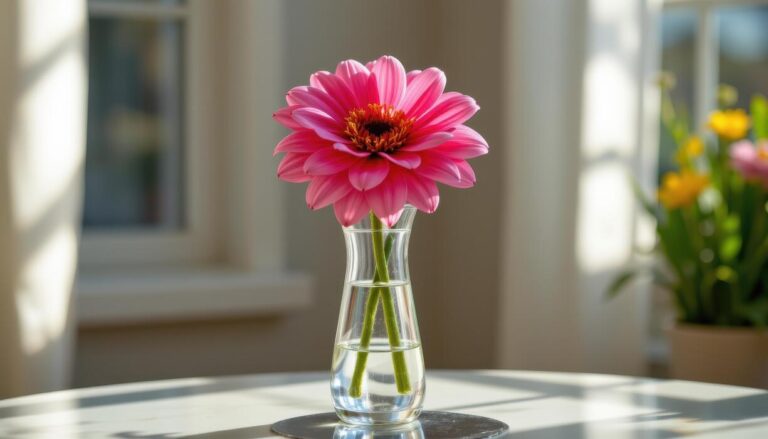
If you’re wondering how much water to put in vase, the short answer is: enough to cover the stems without drowning the flowers. For most fresh arrangements, we recommend filling the vase about one-third to halfway full. That usually gives stems enough hydration while keeping leaves and soft stems from sitting too deep in the water.
We found that the best water level depends on the flower type, vase shape, and stem length. In our experience, a taller vase or woody stems may need a little more water, while delicate blooms do better with less. The goal is simple: keep the stems hydrated, the water clean, and the arrangement standing comfortably.
Here’s a detail most guides miss: the first fill is not always the final answer. We often recommend adjusting after the bouquet settles, because flowers shift, stems absorb water, and some blooms drink faster than others. A vase that looks full at the start can become too low within a day, especially with thirsty flowers like hydrangeas.
The biggest mistake we see is filling the vase to the top because it feels safer. Too much water can rot leaves, soften stems, and make the arrangement cloudy faster. We also see people ignore the lower leaves, which can sit below the waterline and spoil the whole vase. The right level is usually less dramatic than people expect.
Below, we’ll walk through the simple rules we use for different flowers, vase shapes, and stem styles. If we get the water level right from the start, the whole arrangement lasts longer and looks better. Let’s break down the details so you can match the vase to the bouquet with confidence.
In This Guide
- How much water to put in a vase for fresh flowers
- The right water level for different vase shapes and stem lengths
- Why too much water can actually shorten vase life
- How much water to put in a vase for roses, tulips, and mixed bouquets
- Signs the water level is too low, too high, or just right
- When to top off the vase and when to change the water completely
- A few vase water mistakes that make flowers wilt faster
How much water to put in a vase for fresh flowers
For most fresh flowers, we recommend filling the vase with enough water to cover the lower 3 to 5 inches of stem, which is usually about one-third to one-half full. That level gives stems steady hydration without drowning soft foliage.
If the bouquet is compact, a slightly higher fill can work, but the key is to keep any leaves below the waterline removed so the water stays cleaner longer.
The best starting point depends on the flower type. Woody stems like roses and hydrangeas often do well with more water, while delicate blooms such as tulips and daffodils prefer a moderate level. In our experience, it helps to trim stems at an angle and place them into fresh water immediately.
That gives flowers a better chance to drink efficiently during the first few hours after arranging.
We also suggest checking the vase after the arrangement settles. Flowers absorb water quickly at first, and water levels can drop faster than expected, especially in warm rooms. A good rule is to top up whenever the level falls below the bottom third of the stems.
Consistent, clean water matters more than filling the vase to the top, so aim for balance rather than maximum volume.
The right water level for different vase shapes and stem lengths
| Vase shape | Typical stem length | Recommended water level | Best for |
|---|---|---|---|
| Tall cylinder | 12–24 inches | About 1/2 full | Long-stemmed roses, lilies, mixed bouquets |
| Short round vase | 6–12 inches | About 1/3 full | Ranunculus, tulips, compact market bouquets |
| Wide-mouth vase | 8–16 inches | Enough to cover 3–5 inches of stems | Loose arrangements, peonies, seasonal mixed flowers |
| Bud vase | 4–8 inches | About 1/4 to 1/3 full | Single stems or a few small blooms |
| Tapered or narrow-neck vase | 10–20 inches | Fill below the neck, usually 1/3 to 1/2 full | Structured arrangements that need stem support |
Vase shape changes the answer more than many people expect. A tall cylinder can handle a deeper fill because the stems are supported and stay submerged as the bouquet settles. By contrast, a wide, shallow bowl needs less water since the exposed surface is larger and evaporation happens faster.
We suggest thinking in terms of stem coverage, not just the total water amount.
Stem length matters for stability and hydration. Shorter stems usually need less water because they sit lower in the vase, while longer stems need enough depth to keep the cut ends submerged even after a day or two. If the arrangement looks top-heavy, a narrower vase with a moderate water level often works better than overfilling a broad container.
The goal is contact, not submersion.
When in doubt, start with a conservative level and adjust after arranging. Flowers with soft stems may flop if the vase is too full, while sturdy stems can tolerate a little more water. We recommend leaving some open space at the top of the vase so stems can breathe and the arrangement does not feel crowded.
That small buffer also makes refilling and cleaning much easier.
Why too much water can actually shorten vase life
Too much water can shorten vase life because it increases the chance that leaves, petals, or soft stems sit below the waterline and begin to decay. Once that happens, bacteria multiply quickly and the water turns cloudy sooner. In our experience, the result is a faster decline in freshness, even if the vase looks generously filled.
Clean water and proper depth matter more than volume alone.
Overfilling can also make some flowers unstable. Delicate stems may bend, bruise, or trap air if they are forced too deep, and that can interfere with water uptake. We’ve found that flowers such as tulips, anemones, and other flexible stems often last longer in moderate water rather than a high fill.
More water is not always better; the right amount helps stems hydrate without creating stress.
There is another practical downside: deeper water can hide debris and make it harder to notice when the vase needs attention. We suggest keeping water levels modest so you can see cloudiness, fallen leaves, or stem rot before it spreads. Change the water regularly, trim stems, and top up only as needed.
That simple routine usually extends vase life more effectively than filling the vase to the brim.
How much water to put in a vase for roses, tulips, and mixed bouquets
For roses, we usually recommend filling the vase about one-third to one-half full, which is roughly 3 to 5 inches of water in a medium vase. Roses drink steadily, but their stems also need air circulation, so overfilling can speed up stem decay.
If the bouquet is large or the stems are especially woody, lean toward the higher end of that range for better hydration.
Tulips are different: they prefer less water than most people expect. In our experience, 2 to 3 inches is usually enough, since tulips continue to grow after cutting and can become floppy in deep water.
For mixed bouquets, we suggest aiming for the needs of the thirstiest flower without drowning the rest—typically 3 to 4 inches is a good middle ground for most arrangements.
Vase shape matters too. A tall, narrow vase needs a slightly lower fill line than a wide bowl because the stems displace water differently, and crowded stems can rot faster if the water is too deep. We find it helps to keep all leaves below the waterline and trim stems at an angle before arranging.
That small step makes the water level you choose work much more effectively.
Signs the water level is too low, too high, or just right
When the water is too low, flowers usually show it fast: petals may droop, leaves look limp, and the arrangement starts to feel tired by the end of the day. A rising water line on the stems is another clue that the vase is underfilled.
We suggest checking whether the cut ends are still submerged; if they’re exposed, the bouquet can’t hydrate properly and will decline quickly.
Too much water creates its own problems. If stems are submerged too deeply, you may notice cloudy water, a sour smell, or leaves turning mushy where they sit below the surface. For roses and mixed bouquets, excessive water can speed bacterial growth. With tulips, a very deep fill often makes stems bend more dramatically.
More water is not always better when the goal is longer vase life.
The water level is usually just right when stems are covered enough to stay hydrated, but leaves and soft growth remain above the surface. The bouquet should look supported, not crowded or submerged.
As a practical rule, we like to see the water sit high enough to cover the stem ends by at least 2 inches, while still leaving the lower foliage out of the vase water entirely.
When to top off the vase and when to change the water completely
We recommend topping off the vase whenever the water drops by about one-third from the original fill level, which is often every 1 to 2 days for thirsty flowers. This is especially useful for roses and mixed bouquets in warm rooms. Topping off keeps stems submerged without disturbing the arrangement too much, and it helps prevent a sudden hydration slump.
A full water change is best every 2 to 3 days, or sooner if the water looks cloudy, feels slimy, or starts to smell. In our experience, a complete change matters more than people think because bacteria build up quickly and shorten vase life.
When you change the water, recut the stems by 1/2 inch and rinse the vase well to remove residue.
There are a few times when we’d skip topping off and go straight to a full refresh. If the bouquet has been sitting in warm sunlight, if petals are dropping into the water, or if the stems were accidentally left above the waterline for several hours, a reset works better.
We suggest treating the vase like a living system: small top-offs for maintenance, full changes for recovery.
A few vase water mistakes that make flowers wilt faster
One of the biggest mistakes we see is overfilling the vase. It’s tempting to add a lot of water, but too much can submerge leaves and soft stems, which encourages rot and cloudy water. For most fresh bouquets, we suggest filling the vase about one-third to one-half full, then adjusting based on stem length.
A clean water line matters more than a high water line.
Another common issue is using dirty water or leaving the same water in place for too long. In our experience, water starts breaking down quickly once flowers are arranged, especially if leaves sit below the surface. That’s why we recommend changing the water every 1 to 2 days, rinsing the vase, and trimming stems each time.
Fresh water works like a reset button for cut flowers.
We also suggest avoiding ice-cold or very warm water, since extreme temperatures can stress blooms and shorten vase life. Room-temperature water is usually the safest choice unless a specific flower variety calls for something different. Another subtle mistake is adding too much flower food or mixing random household ingredients.
A measured dose is best—too much can do more harm than good, making petals droop faster instead of helping them open.
Frequently Asked Questions
How much water should we put in a vase for flowers?
We recommend filling the vase about one-third to one-half full for most cut flowers. That usually gives stems enough water without submerging too much foliage. For shorter stems or compact arrangements, a bit more water can help. The main goal is to keep the cut ends hydrated while leaving room for flowers to sit naturally and stay clean.
Should we fill a vase to the top with water?
We usually do not fill a vase to the top. Too much water can make the arrangement unstable and increase the chance of spills. It can also cause leaves to sit in water, which speeds up bacteria growth. A moderate fill level is safer and often better for flower life.
Tall, heavy arrangements may need slightly more water, but not a full vase.
How often should we change the water in a flower vase?
We suggest changing the water every 2 days, or sooner if it looks cloudy. Fresh water helps slow bacteria growth and keeps stems taking in water properly. Each time we change it, trimming the stems slightly can improve hydration. Clean water makes a noticeable difference in how long flowers last, especially for roses, tulips, and mixed bouquets.
Do different flowers need different water levels in a vase?
Yes, some flowers do better with different water levels. We’ve found that woody-stemmed flowers like roses and hydrangeas often benefit from deeper water, while delicate stems usually need less. Bulb flowers and tulips typically prefer a moderate level. The best approach is to keep the stems covered without drowning any leaves or soft stems that could rot in the water.
Can too much water in a vase kill flowers?
Yes, too much water can shorten flower life. If leaves or soft stems stay submerged, bacteria can spread quickly and cause the arrangement to decay faster. Overfilled vases can also make flowers droop or tip. We recommend keeping the water level low enough to protect the foliage while still covering the cut stem ends.
Clean, fresh water matters just as much as quantity.
Final Thoughts
Finding the right water level for a vase is usually simple once we understand the needs of the flowers. In most cases, one-third to one-half full works well, but stem type, vase shape, and arrangement size can all affect the ideal amount.
Clean water, trimmed stems, and removed leaves below the waterline help flowers stay fresh longer and look their best.
If we’re ever unsure, starting with a moderate amount of water is a smart choice. From there, we can adjust based on the flower type and how the arrangement looks. A quick water check every couple of days goes a long way, and small care habits often make the biggest difference in keeping a vase arrangement beautiful.

Chloe Bennett is an interior stylist and ceramic enthusiast with a passion for curation. She specializes in finding the perfect vases to elevate home spaces, blending contemporary design with vintage aesthetics. Her expert guides help readers select, style, and care for unique vessels that transform ordinary rooms into art.