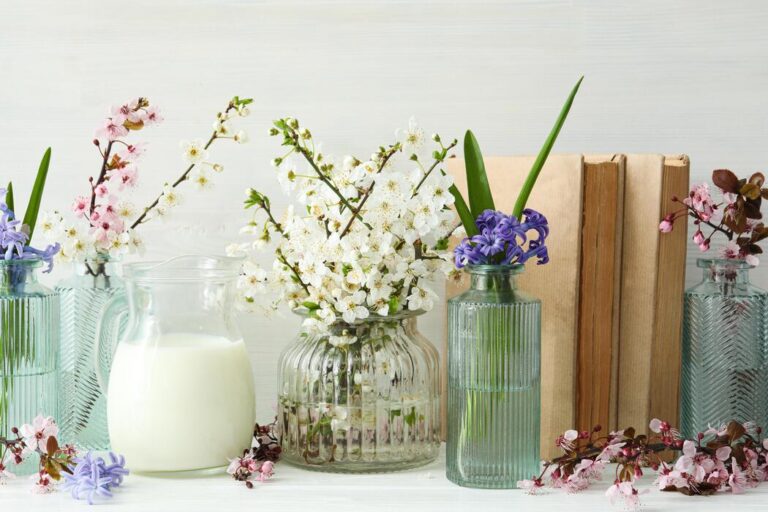
How to Arrange a Bouquet in a Vase: 2026 Top Picks
How to arrange a bouquet in a vase starts with choosing the right vase, trimming the stems, and placing the flowers in a loose, balanced shape. Keep the tallest blooms in the center or back, let the shorter flowers fill the edges, and turn the vase as we work so the arrangement looks good from every angle.
In our experience, the best bouquets look natural, not packed. We recommend starting with greenery or the strongest stems, then adding focal flowers, and finishing with smaller blooms that soften the outline. The goal is simple: create height, movement, and breathing room so each flower has space to show off.
One insider trick most guides miss: flowers need visual support, not just physical support. We found that crossing a few stems inside the vase helps lock the bouquet into place, especially in wide-mouth containers. That small adjustment can stop stems from splaying apart and instantly make the design look more polished.
The biggest misconception about how to arrange a bouquet in a vase is that more flowers automatically make it look better. Usually, crowding makes the bouquet feel heavy and messy. We see better results when we leave small gaps, vary the heights, and resist the urge to force every stem into the same direction.
Once we understand the basic shape, the real fun begins. Below, we’ll walk through the vase choice, stem prep, flower placement, and easy fixes that help any bouquet look fuller, fresher, and more intentional.
In This Guide
- Start by Building the Bouquet Shape in the Vase
- Choose the Right Vase, Water Level, and Stem Count
- How to Arrange a Bouquet in a Vase Without Crowding It
- Trim, Strip, and Angle the Stems for a Better Fit
- Flower-by-Flower: Where Each Bloom Should Go
- Fixing a Bouquet That Looks Lopsided or Too Tall
- How to Keep Your Vase Arrangement Fresh for Days
Start by Building the Bouquet Shape in the Vase
Before we worry about perfect blooms or final adjustments, we recommend establishing the overall silhouette inside the vase first. Think of the bouquet as a dome, fan, or loose cylinder, depending on the vase shape and the look you want.
Start with the largest focal flowers to set the height and width, then place supporting stems around them so the arrangement feels balanced from every angle.
In our experience, the easiest way to create a natural shape is to work in layers. Place the first few stems at slight angles so they cross near the waterline, which helps the bouquet hold itself together. Then add medium-height flowers to fill the middle, and finish with smaller blooms or greenery at the edges.
This keeps the arrangement from looking flat or overly tight.
Shape comes before symmetry. A bouquet that has a clear outline will look polished even if every stem is not identical. We suggest stepping back after every 3 to 4 stems and checking the profile from the front and sides. If one side feels heavier, add a stem on the opposite side rather than moving everything around.
That small habit makes a big difference.
Choose the Right Vase, Water Level, and Stem Count
The vase does more than hold flowers; it sets the structure for the whole design. For compact mixed bouquets, a vase with a neck that is about one-third the width of the opening usually gives enough support without squeezing the stems. Taller flowers often look best in a vase that is roughly one-half to two-thirds the height of the stems.
The goal is stability, not confinement.
Water level matters more than many people think. We recommend filling the vase to about one-third to one-half of its height, depending on the stem length and flower type. Too much water can soften delicate stems and crowd the base, while too little shortens vase life.
If the flowers are woody or thirsty, like roses or hydrangea, a slightly higher level often helps them hydrate evenly.
Stem count should match the vase opening and the bouquet style. As a practical guide, a narrow-neck vase may hold 7 to 12 stems well, while a medium opening can handle 15 to 25 stems without looking congested. We suggest starting with fewer stems than you think you need; you can always add more.
Leaving a little breathing room creates a fresher, more luxurious arrangement.
How to Arrange a Bouquet in a Vase Without Crowding It
To avoid crowding, we like to place stems one at a time and rotate the vase as we go. This keeps gaps from forming on one side and helps every flower find its place. Angle stems outward slightly instead of forcing them straight down, and let the flower heads sit at different depths.
That subtle variation creates movement and prevents the bouquet from looking packed or stiff.
Avoid the common mistake of using too many flowers with similar size and height in the same cluster. Instead, mix focal blooms, secondary flowers, and airy fillers so the bouquet has texture and space. We recommend trimming a few stems shorter than the others to create layers.
Negative space is just as important as the flowers themselves; it gives the arrangement a breathable, elegant look.
If the bouquet still feels crowded, remove one or two stems before trying to fix everything by pushing flowers apart. A vase arrangement usually looks better with clean spacing than with every stem forced inside. We also suggest clearing any leaves below the waterline, because hidden foliage can make the bouquet feel cluttered fast.
Small adjustments like these keep the design light, balanced, and easy to enjoy.
Trim, Strip, and Angle the Stems for a Better Fit
Before any flower goes into the vase, we recommend giving every stem a fresh 45-degree cut. That angled cut increases the surface area for water uptake and helps the flowers sit more naturally in the vase.
Use sharp floral shears or clean scissors, and trim 1 to 2 inches off the bottom so stems can drink efficiently after transport and handling.
Next, strip away any leaves that would sit below the waterline. In our experience, even a few submerged leaves can cloud the water fast and encourage bacteria, which shortens vase life. For thicker stems like roses or hydrangeas, remove extra foliage carefully so the bouquet still looks full at the top.
Keep the stems clean and uncluttered where they rest inside the vase.
It also helps to sort stems by height before arranging. We suggest setting aside the longest stems for focal blooms and trimming shorter accent flowers a bit less so they can layer naturally. If a stem feels too stiff, gently bend it or recut it slightly shorter rather than forcing it into place.
A small adjustment now prevents a crowded, awkward bouquet later.
Flower-by-Flower: Where Each Bloom Should Go
| Flower Type | Best Placement | Why It Works | Helpful Tip |
|---|---|---|---|
| Roses | Center or slightly off-center | Create the main focal point and anchor the shape | Use odd numbers like 3, 5, or 7 |
| Hydrangeas | Near the base and outer edges | Fill space and soften the silhouette | Keep them in deeper water before arranging |
| Tulips | Mid-height throughout the bouquet | Add movement and a relaxed, natural line | Expect them to keep growing after arranging |
| Baby’s breath | Between larger blooms | Bridges gaps and adds airy texture | Use lightly so it supports, not overwhelms |
| Greenery | Outer rim and lower third | Frames the bouquet and hides the mechanics | Rotate the vase as you place stems for balance |
We usually start with the focal flowers first, because they set the bouquet’s overall shape. Roses, peonies, or hydrangeas belong near the center, slightly higher than the vase rim, so the arrangement has a clear visual anchor. From there, we add secondary blooms around them at varying heights. This layered approach keeps the bouquet from looking flat or overly uniform.
Smaller flowers work best as connectors. Baby’s breath, spray roses, and waxflower can tuck into spaces between larger blooms, softening any hard edges and making the bouquet feel fuller. We suggest placing these accents after the main flowers are in position, not before.
That way, you can see exactly where the arrangement needs texture rather than filling every gap too early.
Greenery is more than decoration; it shapes the bouquet. Place eucalyptus, ruscus, or fern around the outside and lower third to create a natural frame and disguise any stem crossings inside the vase. In our experience, this final layer also makes the arrangement look professionally finished.
The rule is simple: large blooms lead, smaller flowers support, and greenery ties everything together.
Fixing a Bouquet That Looks Lopsided or Too Tall
If the bouquet leans to one side, the problem is usually stem length or weight distribution. We recommend removing the arrangement and shortening the longest stems by 1/2 inch to 1 inch, then reinsert them at a slightly different angle. Heavier blooms should sit closer to the center, while lighter flowers can fan outward.
That small shift often restores balance without changing the bouquet’s style.
When a bouquet feels too tall, the fastest fix is to lower the overall height so the flowers sit about 1 to 1.5 times the vase’s height. Trim the tallest stems first, then tuck them in at the middle rather than pushing them straight down.
We also suggest choosing a wider vase if the opening is too narrow, since cramped stems tend to stand upright and exaggerate the height.
For stubborn arrangements, work in layers. Rotate the vase as you adjust each stem, stepping back every few changes to check the shape from all sides. In our experience, bouquets often look uneven from one angle but fine from another, so a full rotation matters. If needed, add a few leafy stems or medium-height flowers to fill the low side.
Balance comes from small corrections, not a full restart.
How to Keep Your Vase Arrangement Fresh for Days
Freshness starts before the flowers ever touch water. We recommend trimming each stem at a 45-degree angle with clean, sharp shears, then removing any leaves that would sit below the waterline. That simple step helps prevent bacteria and keeps the stems drinking properly.
In our experience, a clean vase filled with lukewarm water often helps flowers hydrate faster than cold water right away.
Once the bouquet is arranged, the water routine matters just as much as the design. We suggest changing the water every 1 to 2 days, rinsing the vase each time, and giving stems a fresh trim every few days. If you use flower food, follow the packet directions closely; a little goes a long way.
Keeping the arrangement away from direct sun, heaters, and ripening fruit can also make a noticeable difference.
Small adjustments can extend vase life even more. Remove fading blooms as soon as they decline so they do not release extra bacteria into the water, and rotate the vase if one side gets more light than the other. For mixed arrangements, we find that thirsty flowers like roses benefit from deeper water, while delicate stems prefer a bit less.
Consistent care is what keeps a bouquet looking lively for days longer.
Frequently Asked Questions
How do we arrange flowers in a vase so they stay in place?
We recommend starting with a clean vase, fresh water, and a few pieces of greenery or filler flowers to create support. Cross stems slightly as we place them in the vase so the bouquet holds itself together. Cutting stems at an angle helps them absorb water, while removing lower leaves keeps the arrangement tidy and prevents bacteria from building up.
What is the best way to cut flower stems for a vase?
We’ve found that cutting stems with a sharp knife or floral shears at a 45-degree angle works best. This increases the surface area for water uptake and keeps stems from sitting flat against the vase bottom. It also helps to recut stems every few days.
Always trim them while holding the flowers under water or immediately before placing them in the vase.
How do we make a bouquet look full in a vase?
To make a bouquet look fuller, we suggest using a mix of large focal flowers, medium blooms, and smaller filler flowers. Varying the height and spacing creates volume without crowding. We also recommend turning the vase as you arrange so each side looks balanced. If needed, add extra stems around the edges to widen the shape and soften any gaps.
How much water should we put in a flower vase?
In most cases, we fill the vase about one-third to one-half full, depending on the flower type. Soft-stemmed flowers often need more water, while woody stems usually need less. It’s important to keep leaves out of the waterline to reduce bacteria. We also suggest checking water daily and topping it off so the stems never dry out.
How do we keep flowers fresh longer in a vase?
We keep flowers fresh longer by using a clean vase, changing the water every two days, and trimming the stems regularly. Removing wilted petals and leaves also helps extend vase life. Keep the arrangement away from direct sunlight, heat, and ripening fruit. If we use flower food, it can help nourish the blooms and slow bacterial growth.
Final Thoughts
Arranging a bouquet in a vase is mostly about balance, support, and freshness. We’ve found that when we prepare the stems properly, choose a suitable vase, and place the flowers with a little space to breathe, the whole arrangement feels more polished. A simple bouquet can look elegant when each stem has a purpose and the overall shape feels natural.
If we’re just getting started, we recommend practicing with a small bunch of flowers and adjusting as we go. The more we arrange, the easier it becomes to notice what works. A few small habits, like trimming stems and changing water regularly, can make a big difference and help every bouquet look its best.

Chloe Bennett is an interior stylist and ceramic enthusiast with a passion for curation. She specializes in finding the perfect vases to elevate home spaces, blending contemporary design with vintage aesthetics. Her expert guides help readers select, style, and care for unique vessels that transform ordinary rooms into art.