Late-October 2026 Home Decor: What Buyers and Owners Are Prioritizing
Late-October 2026 home decor priorities are shifting decisively toward multi-season versatility, prompting buyers and owners to focus on adaptable design elements rather than single-holiday displays. Rather than overhauling living spaces every few weeks, homeowners are utilizing structural pieces and timeless accents that bridge the gap between autumn, Thanksgiving, and the winter holidays efficiently.
Current design coverage emphasizes intentional, guest-ready arrangements and modular decor frameworks designed to minimize storage clutter and installation time. By prioritizing flexible foundations—such as transition trees that restyle from Halloween into Christmas and neutral vessels that accommodate shifting botanical stems and lighting—owners can update their interiors seamlessly while maintaining both everyday functionality and seasonal warmth.

The Rise of the Multi-Season Transition Tree
Rather than dismantling and rebuilding seasonal holiday displays from scratch every few weeks, homeowners are increasingly investing in structural base pieces that evolve. Home decor coverage published between October 18 and 21 highlights a distinct shift toward efficiency and long-term utility in late-October decorating decisions.
At the center of this movement is a growing preference for multi-season framework items that reduce storage clutter, save time, and minimize seasonal waste. Instead of packing away one set of decorations only to unpack an entirely new collection a fortnight later, buyers are prioritizing foundational structures that keep the core framework intact while only swapping out the outermost hanging elements.
According to reporting from Ideal Home on October 18, this approach has popularized the concept of “transition trees.” These are neutral or stylized artificial evergreens and branch frameworks designed to shift seamlessly from spooky or harvest-themed autumn displays directly into winter holiday ornaments.
For home owners evaluating this strategy, a typical implementation relies on specific mechanical and aesthetic choices to bridge the gap between late October and late November:
- Neutral Foundations: Selecting unadorned artificial pines, birch frameworks, or sculptural twig bases that do not lean too heavily into a single holiday.
- Layered Adornments: Using easily removable clips, ribbons, and lightweight ornaments that can be swapped out in minutes rather than re-stringing lights or moving heavy branches.
- Modular Accents: Transitioning from miniature pumpkins, dried leaves, and rustic pinecones to metallic spheres, velvet ribbons, and winter berries as the calendar advances.
While reports indicate that multi-season structures offer a practical way to manage seasonal transitions without starting over, buyers should note that exact durability standards and material longevity vary significantly across manufactured artificial trees. Furthermore, safety remains a critical consideration when updating any structural display.
Whether using artificial transition trees, dried natural botanicals, or fresh arrangements anchored in a durable vessel, homeowners must ensure that any added electrical lights, open candles, or heavy ornaments do not compromise the physical stability of the base. Keeping heat sources clear of dry foliage and verifying that heavier branch frameworks are properly balanced prevents tipping hazards as the display evolves through the holiday season.
Layering Warm Textures and Vintage Accents
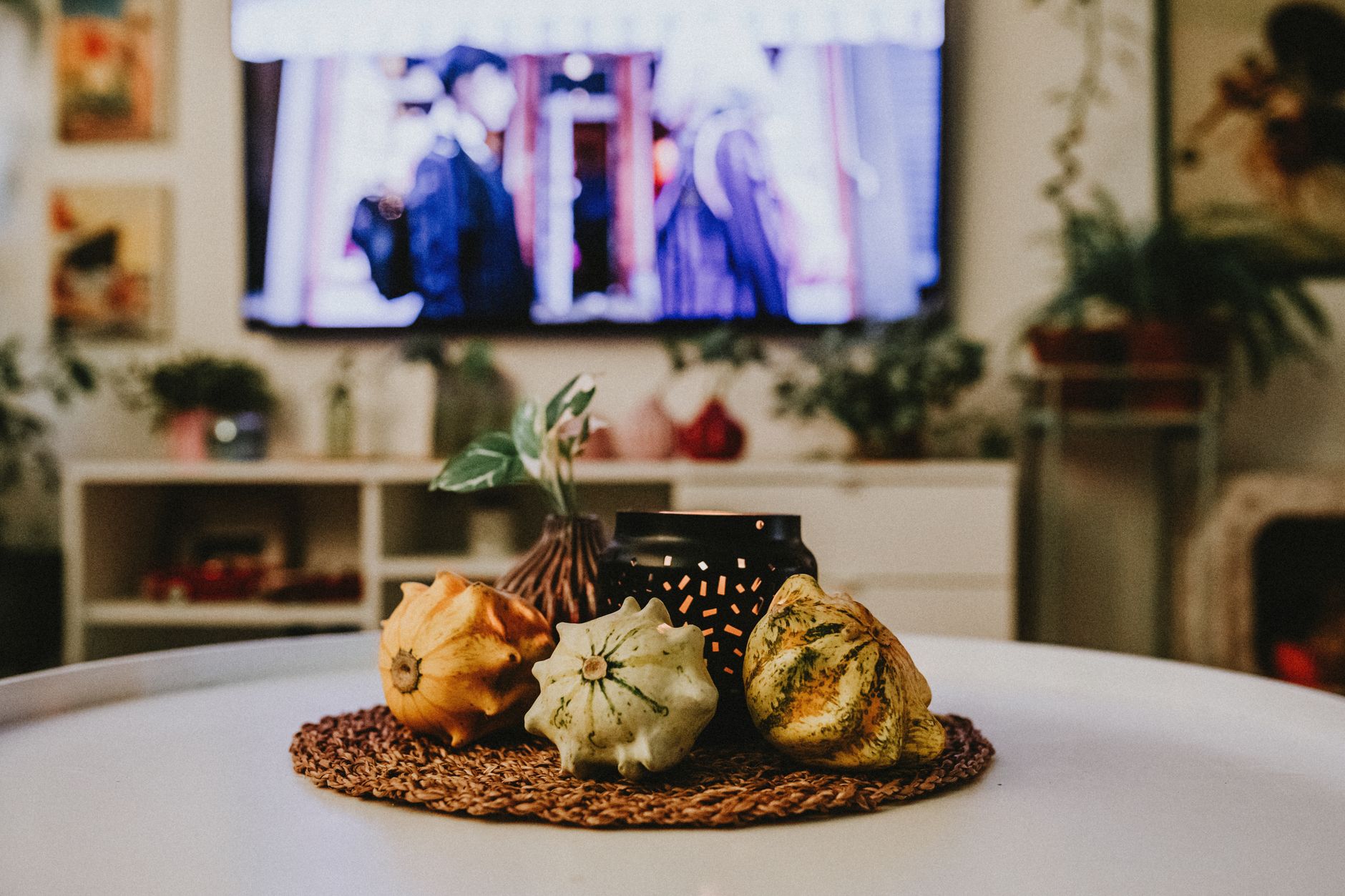
Current design reporting highlights a distinct shift away from ultra-modern minimalism as property owners look to build tactile depth heading into late October. Instead of stark, high-gloss finishes, buyers and homeowners are prioritizing warm, lived-in layers that make living spaces feel grounded, welcoming, and permanent rather than transient or theme-park heavy.
This evolving seasonal approach relies on time-tested materials and inherited or thrifted elements to establish an authentic atmosphere. Current fall decor coverage emphasizes that incorporating vintage touches and heavy weaves instantly softens a room, introducing an organic character that synthetic textiles simply cannot replicate.
Core Elements for Tactile Depth
- Matte Ceramics: Heavy, non-reflective pottery and earthenware absorb light, adding quiet gravity to bookshelves, sideboards, and mantels.
- Antiqued Brass: Patinated metal candleholders, trays, and picture frames offer a subtle, low-glare warmth that looks collected over time.
- Tactile Fabrics: Chunky wool throws, heavy linen table runners, and velvet cushion covers invite physical interaction and visual comfort.
Styling with these materials requires a deliberate edit to avoid visual clutter. Rather than filling every flat surface with decor, owners are choosing a few foundational focal points—such as a heavy ceramic vase or an aged brass tray—and building the seasonal vignette outward. This restraint keeps rooms functional while establishing a cohesive, high-end feel.
While specific sourcing and thrift availability vary widely by region, current reporting suggests that mixing true vintage finds with contemporary matte basics prevents a room from looking too staged. By anchoring spaces with these durable, tactile elements now, households create a versatile backdrop that easily accommodates the impending transition from autumn gatherings into late-season holiday hospitality.
Intentional Room-by-Room Thanksgiving Preparation
With Thanksgiving approaching just weeks after Halloween, current home organization and decorating strategies are shifting rapidly away from whole-house overhauls toward targeted, high-impact zones. Recent design guidance published in October 2026 advises property owners against trying to decorate every square foot of the home simultaneously. Attempting a total room-by-room transformation all at once often leads to holiday fatigue before guests even arrive. Instead, homeowners are concentrating their time and energy on guest-ready living areas and the dining room table.
Focusing on these key hosting areas ensures that the home feels curated, welcoming, and entirely manageable to maintain throughout the bustling late-autumn and winter holiday season. Rather than scattering accents randomly down every hallway, interior layout decisions are prioritizing functional comfort. Main gathering spaces benefit most from clear surfaces, accessible seating arrangements, and thoughtful lighting that accommodates both daytime visits and evening meals.
To streamline this transition and maintain an orderly home environment, consider adopting a focused preparation framework:
- Prioritize High-Traffic Zones: Direct your decorating efforts strictly to the primary living room and the dining space where family and guests naturally congregate.
- Edit Before You Add: Clear away everyday clutter from main surfaces before introducing seasonal textiles, table runners, or centerpieces.
- Designate Storage Outlets: Keep a nearby basket or storage bin hidden away to quickly tuck back daily items when impromptu visitors stop by.
While specific spatial layouts vary from house to house, current reporting emphasizes that pacing your decorative updates reduces stress. By limiting your focus to intentional focal points—such as a styled dining table or a neatly arranged entryway—you create a cohesive seasonal atmosphere without the burden of constant upkeep across unused rooms.
Vessel-Led Styling for Fluid Seasonal Shifts
Vessel-Led Styling for Fluid Seasonal Shifts
Using a central, neutral vase as the anchor for seasonal decor allows homeowners to transition displays effortlessly without buying entirely new arrangements as late-October shifts toward the winter holidays. By keeping the same vessel and core branch framework, decorators can alter the entire mood of a room simply by swapping out auxiliary stems, changing table runners, or introducing new battery-operated fairy lights and subtle ornaments as November progresses.
Recent seasonal coverage published between October 18 and October 21, 2026, highlights a broader movement toward adaptable home accents, echoing the functional logic seen in transitional holiday structures like “transition trees”—seasonal items designed to be restyled rather than rebuilt from scratch. A neutral ceramic or glass vase serves as an ideal baseline for this strategy, accommodating dried autumn foliage, harvest branches, and eventually frosted winter greens or metallic ornaments without requiring a complete design overhaul.
To execute a fluid seasonal shift using a single statement vessel, consider applying these foundational steps:
- Anchor with a Neutral Base: Choose a solid ceramic, terracotta, or heavy glass vase in a neutral tone so it complements both warm autumn hues and cooler winter palettes.
- Retain the Core Framework: Keep your foundational branches—such as sturdy birch, manzanita, or preserved stems—fixed in place, eliminating the need to re-arrange heavy structural elements.
- Layer Auxiliary Elements: Swap out filler stems, ribbons, or surrounding textiles (like table runners and placemats) to nudge the aesthetic from Halloween warmth toward Thanksgiving gathering readiness.
- Integrate Lighting Safely: Weave battery-operated fairy lights or small LED accents into the branches to build ambient evening warmth as daylight shortens.
While reports from mid-October 2026 emphasize vintage touches, warm textures, and intentional guest-ready spaces, practical execution requires careful attention to safety. Real branches, live foliage, burning candles, and electrical components all demand ongoing stability checks and fire-safety precautions. Always ensure that heavy branch arrangements are securely weighted inside the vessel to prevent tipping, and keep live botanical elements well away from open flames or overloaded electrical outlets as holiday hosting season approaches.
Balancing Aesthetic Ambition with Storage Realities
As the calendar turns toward late October, both active home buyers touring properties and long-term owners preparing for autumn and winter gatherings face a shared physical constraint: managing household clutter. Excessive knick-knacks and overflowing storage spaces instantly diminish a home’s appeal, making rooms feel cramped rather than cozy. Current reporting indicates that decorators and homeowners alike are prioritizing streamlined storage over accumulating redundant holiday paraphernalia that requires dedicated closet space for every single micro-season.
When evaluating new decor investments or organizing existing bins, prioritizing pieces that serve dual purposes across multiple holidays helps keep closets orderly. Instead of maintaining entirely separate boxes for Halloween, Thanksgiving, and the winter festivities, choosing adaptable foundational items prevents rooms from feeling overwhelmed by seasonal clutter. A neutral structural base, such as a versatile ceramic vase or a sturdy branch framework, allows households to swap out smaller, lightweight elements like stems, lights, or textiles rather than storing bulky standalone figurines.
To maintain order during this high-turnover decoration window, practical physical storage strategies are essential:
- Select decorative items that collapse flat or nest neatly inside one another when not in use.
- Audit existing seasonal totes before bringing new items home, donating pieces that no longer serve a functional or aesthetic purpose.
- Opt for multi-functional textiles and table linens that transition smoothly from neutral autumn tones straight through to Thanksgiving dinners.
For active home sellers, keeping surfaces clear of heavy seasonal clutter remains a critical decision criterion. Prospective buyers need to visualize their own belongings in the space, which is difficult when rooms are crowded with transient holiday displays. By focusing on intentional, streamlined accents rather than decorating every available square inch at once, owners maintain an open, spacious environment that appeals directly to the late-October real estate market while simultaneously simplifying post-holiday packing and storage routines.
Fire Safety and Structural Stability Considerations
As homes transition toward heavier indoor displays incorporating dried natural branches, real candles, and electrical lighting strings, safety must remain a primary decision criterion for property owners and holiday decorators. Current October reporting highlights a shift toward multi-season focal points, but combining dense foliage, open flames, and added electrical loads introduces distinct physical risks that require proactive management.
Real branches and heavy decorative stems require secure anchoring inside heavy vessels to prevent dangerous tip-overs, particularly in high-traffic hallways, entryways, and family gathering spaces. A lightweight glass or ceramic vessel can easily become top-heavy when loaded with thick woody branches or heavy ornaments, making a wide base and internal stabilizing material essential for physical security.
Fire safety demands rigorous attention as seasonal changes bring combustible elements indoors. Dried foliage, paper-based autumn crafts, and delicate textiles are highly flammable and must be kept well away from open flames, real candles, and heat sources. When integrating candles into tabletop centerpieces or mantel displays, homeowners should maintain clear separation distances and never leave burning flames unattended near dry botanical arrangements.
Electrical safety is equally critical as households unpack and test illumination strings for upcoming winter displays. Current guidance advises inspecting all electrical cords, plugs, and multi-plug adapters for fraying, cracked insulation, or exposed wires before installation. Overloading older household circuits with multiple heavy-draw lighting displays should be avoided to minimize fire hazards.
Storage Realities and Seasonal Transition Logistics
As late-October priorities shift toward fluid multi-holiday transitions, homeowners face a very practical logistical bottleneck: physical storage space. The impulse to keep rotating decor from autumn through Thanksgiving and into the deep winter holidays requires a disciplined inventory system to prevent closets, attics, and garages from becoming overrun with bulky plastic bins and fragile seasonal paraphernalia.
A successful transition strategy relies heavily on multi-use foundation pieces that eliminate the need to store entirely separate sets of decor for every micro-season. Heavy items like oversized ceramic vessels, neutral wreaths, and foundational candleholders should remain accessible year-round, serving as the permanent architectural anchors of a room. Rather than boxing up every autumnal element on November 1st only to unpack a completely distinct set of Thanksgiving items days later, buyers are prioritizing modular components that can simply be added to or subtracted from existing displays.
When organizing seasonal storage bins, grouping items by function rather than holiday yields far better efficiency. Store all pillar candles, fairy lights, and ribbon spools in one dedicated utility box, while keeping botanical stems—such as dried eucalyptus, faux pine, and preserved fall branches—flat in long garment or under-bed boxes to prevent crushing. Fragile glass ornaments and delicate ceramic pumpkins require compartmentalized dividers or individual wrapping to survive months of disuse without chipping.
Furthermore, evaluating storage capacity before purchasing new seasonal decor prevents clutter fatigue. If a newly acquired decorative tree or oversized cornucopia does not collapse flat or nest neatly inside an existing storage container, its off-season footprint may outweigh its momentary aesthetic appeal. By prioritizing versatile, stackable, and foldable decor items during late-October purchases, homeowners ensure that shifting from Halloween to the winter holidays remains an effortless design choice rather than an overwhelming organizational chore.
Practical Buying and Setup Checklist
As late-October buying patterns shift toward the upcoming holiday season, homeowners and prospective buyers are evaluating decor purchases through a lens of longevity and multi-season utility. Rather than investing in single-use decorations that require a complete teardown every few weeks, decision-making now prioritizes adaptable hardware and structural pieces designed to bridge autumn, Thanksgiving, and winter festivities.
One of the clearest signals in current home styling is the adoption of transition trees. Instead of dismantling spooky or harvest-themed displays to build a Christmas tree from scratch, buyers are utilizing foundational seasonal structures that remain in place while their surrounding foliage, ribbons, and ornaments are systematically swapped out. This approach reduces storage clutter and minimizes the labor of annual setup.
Concurrently, interior styling guidance emphasizes intentional, zone-based preparation rather than overwhelming every room in the house simultaneously. For Thanksgiving hosting, focus areas pivot toward guest-ready spaces and curated seasonal tables. Pairing vintage touches with warm textures helps spaces feel established and inviting without demanding excessive square-footage overhauls.
Vase-led arrangements offer a practical blueprint for this flexible decorating philosophy. By anchoring a display with a single neutral vessel and a permanent branch framework, decorators can effortlessly pivot from October foliage to November seed pods and December ornaments simply by changing out stems, textiles, or accent lighting. However, introducing real branches, open flame candles, and electrical illumination requires careful attention to weight distribution, stability, and basic fire safety.
To evaluate potential home decor purchases during this transition window, apply a strict utility filter:
- Prioritize neutral, durable vessels and display bases that anchor multiple holidays rather than theme-specific containers.
- Assess storage space before purchasing large structural items like transition trees or oversized branch frameworks.
- Focus decorating budgets on high-impact zones, such as the dining table and primary gathering spaces, rather than spreading items thin across every room.
- Verify that electrical light strands, extension cords, and candle arrangements comply with fire-safety standards before leaving them unattended.
- Select machine-washable or easily storable textiles that can transition from rich autumn tones to winter palettes with minimal friction.
Frequently Asked Questions
What is a transition tree and how does it save time during the holidays?
A transition tree is a seasonal structure that can be restyled from autumn or Halloween into Christmas rather than rebuilt from scratch. Instead of taking down an entire display and setting up a brand-new one weeks later, buyers keep the base tree intact and simply swap out the decorative elements. This clever approach significantly reduces the physical labor and time required during the busiest holiday months. By utilizing a flexible framework, owners can efficiently shift moods from spooky or autumnal to festive winter cheer without starting over completely.
How can I shift my autumn decor into Thanksgiving without buying new items?
You can seamlessly shift your autumn decor into Thanksgiving without buying new items by reusing versatile base pieces like neutral vessels and structural branch frameworks. Instead of overhauling every room at once, focus your energy on intentional, guest-ready spaces and seasonal tables. Swap out lighter textiles, stems, or specific Halloween ornaments for harvest-themed elements you already own. Keeping a consistent foundation while rotating smaller accents allows your living spaces to evolve naturally from mid-fall gatherings straight into late-autumn celebrations.
Why are vintage touches and warm textures favored in late-October styling?
Vintage touches and warm textures are heavily favored in late-October styling because they instantly cultivate a cozy, lived-in atmosphere as the weather cools. Homeowners and buyers prioritize items that offer tactile comfort and a sense of timeless character rather than chasing fast-changing modern fads. These classic accents create emotional warmth and depth in living spaces, making rooms feel welcoming for family and guests. Incorporating weathered finishes and plush materials naturally bridges the gap between early autumn and the upcoming holiday season.
What are the best safety practices when styling with real branches and candles?
When styling your home with real branches, candles, and electrical lights, physical stability and fire safety must remain top priorities. Always secure heavy branches firmly in weighted vessels to prevent tipping, and inspect natural foliage for dryness, as dry wood ignites easily. Keep burning candles well away from dangling textiles, high-traffic pathways, and flammable seasonal decor like dried leaves or paper accents. Additionally, check all electrical light strands for frayed wires before plugging them in near natural arrangements.
How can I prevent my home from feeling cluttered while decorating for consecutive holidays?
To prevent your home from feeling cluttered while decorating for consecutive holidays, avoid trying to decorate every single room all at once. Instead, concentrate your efforts on high-impact focal points, such as an entryway table or a seasonal dining centerpiece, as recommended in current Thanksgiving preparation guides. Adopt a one-in, one-out mindset by swapping specific items rather than piling new decorations on top of old ones. Streamlining your display areas preserves breathing room and keeps your home organized throughout autumn.
Sources and updates
Details can change after the October 24, 2026 research cutoff. Check the linked sources and current local guidance before acting.
- Ideal Home: transition-tree trend (2026-10-18)
- Global News: fall home decor trends (2026-10-20)
- Homes & Gardens: preparing for Thanksgiving (2026-10-21)

Chloe Bennett is an interior stylist and ceramic enthusiast with a passion for curation. She specializes in finding the perfect vases to elevate home spaces, blending contemporary design with vintage aesthetics. Her expert guides help readers select, style, and care for unique vessels that transform ordinary rooms into art.