Home Decor Before Winter: New Tradeoffs Shaping 2026 Choices
As the calendar moves toward the colder months, home decor choices require careful balancing acts between seasonal festivity, safety, and long-term spending. Current design coverage highlights a shift away from exhaustive room-by-room overhauls in favor of adaptable, multi-month strategies that bridge autumn, Thanksgiving, and winter holidays. Across recent style reporting, decorators are leaning into warm textures, vintage touches, and timeless accents that require less frequent replacement, reducing the financial and physical strain of constant seasonal refreshes.
This evolving approach means homeowners must weigh new tradeoffs regarding maintenance, total cost, and safety before committing to popular pre-winter upgrades. While viral trends often promote full displays for every occasion, current guidance favors intentional, guest-ready spaces and modular foundations—such as transition trees or versatile vase-led arrangements—that can be restyled rather than rebuilt from scratch. However, these adaptable upgrades are not always the right choice for every household. Factors like structural stability for real branches, fire-safety clearances for candles and electrical lighting, and the upfront cost of multi-functional decor require a closer look at whether a popular trend genuinely matches your household’s practical limits and budget.

Navigating the Pre-Winter Shift from Autumn to Holidays
As the late-October chill sets in, home decor coverage highlights a distinct seasonal shift. Rather than packing away autumn accents and Halloween displays only to rebuild festive settings from scratch a few weeks later, current trends favor multi-functional base displays designed to stretch across the entire holiday season. This evolving approach helps bridge the gap between early fall and winter celebrations.
One prominent example of this strategy is the rise of transition trees. According to recent lifestyle reporting, these structural fixtures allow homeowners to restyle the same branches or greenery across multiple phases—moving from an understated autumn or Halloween look straight into Christmas decor. Similarly, a vase-led transition lets you reuse a single neutral vessel and core branch framework, swapping out surrounding textiles, stems, delicate lights, or ornaments as the calendar turns.
However, leaning into a continuous multi-month display requires careful upfront planning. Without strategic forethought, early autumn elements can easily look tired, dusty, or out of place by the time winter holidays arrive. Natural items like foraged branches or dried floral stems may shed, dry out too much, or collect debris over weeks of exposure, making mid-season maintenance essential to keep displays looking fresh rather than neglected.
When executing a seamless pre-winter transition, keep these practical safety and quality guidelines in mind:
- Inspect natural branches and dried stems periodically for excessive dryness or shedding to prevent indoor fire risks.
- Ensure that heavy vases, candles, and electrical light strings are placed securely on stable surfaces away from high-traffic household areas.
- Select durable, neutral base components that can easily absorb shifting color palettes without clashing as autumn moves into winter.
While continuous displays save storage space and time, reporting notes that they are not always the ideal choice for every home. If your early-season decor heavily features specific holiday motifs—such as carved pumpkins or distinct Halloween icons—forcing them into a November Thanksgiving theme can look disjointed. In situations where transitions require extensive patching or repair, starting fresh for each holiday may ultimately require less effort than maintaining a compromised multi-month arrangement.
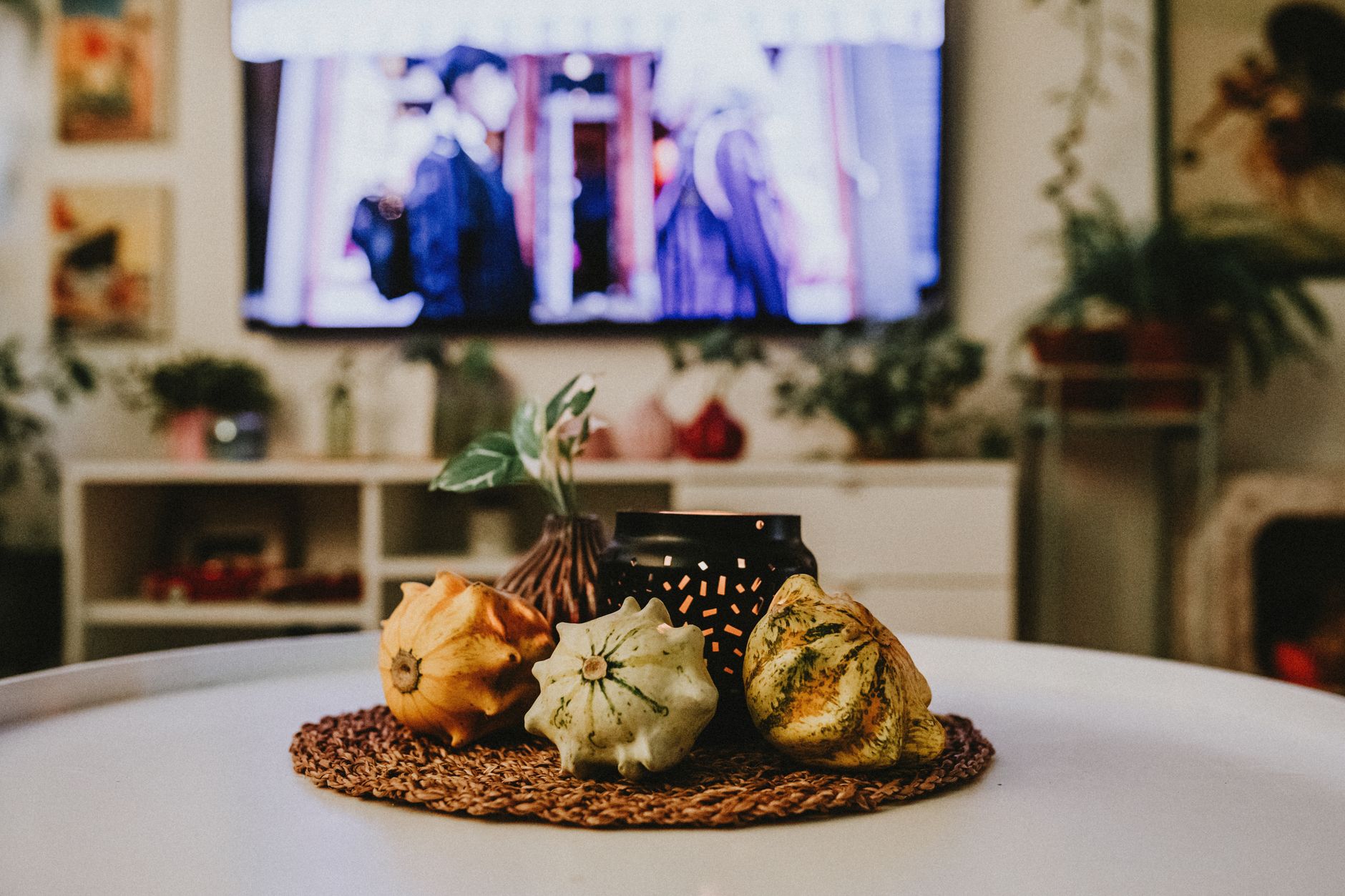
The Rise of Transition Trees and Structural Compromises
According to design insights from Ideal Home, transition trees have emerged as a popular option for households looking to streamline seasonal changes. Rather than taking down one display and rebuilding another from scratch, these seasonal structures are designed to be restyled from autumn or Halloween themes directly into Christmas.
This approach offers clear practical advantages for pre-winter preparation. By maintaining a single structural framework through successive holidays, homeowners can significantly reduce physical labor and save valuable storage space in closets or attics.
However, adopting this method involves a distinct set of tradeoffs regarding total cost, visual appeal, and maintenance:
- Aesthetic Flexibility: A branch framework optimized for spooky autumn styling or sparse fall foliage may feel too bare, awkward, or oddly shaped once heavy traditional winter ornaments and dense garlands are added.
- Upfront Investment: Purchasing a high-quality, neutral structural base that suits multiple holidays often carries a higher initial price tag than buying single-season decor.
- Structural Maintenance: Keeping a single tree standing across multiple months increases wear and tear on branches and lighting elements, requiring careful handling to prevent breakage before the winter holidays even begin.
Current reporting suggests that while transition trees save time, they are not always the right choice for homeowners seeking a traditional, fully fleshed-out winter wonderland look. If a display leans too heavily into bare autumn aesthetics, attempting to force a holiday pivot can compromise the final presentation.
For those moving forward with a structural approach, safety remains a primary consideration. As real branches, candles, and integrated electrical lights are layered onto the same framework over time, stability and fire-safety care become critical. Ensuring the base is weighted properly prevents tipping, and checking electrical cords for wear prevents potential hazards as winter approaches.
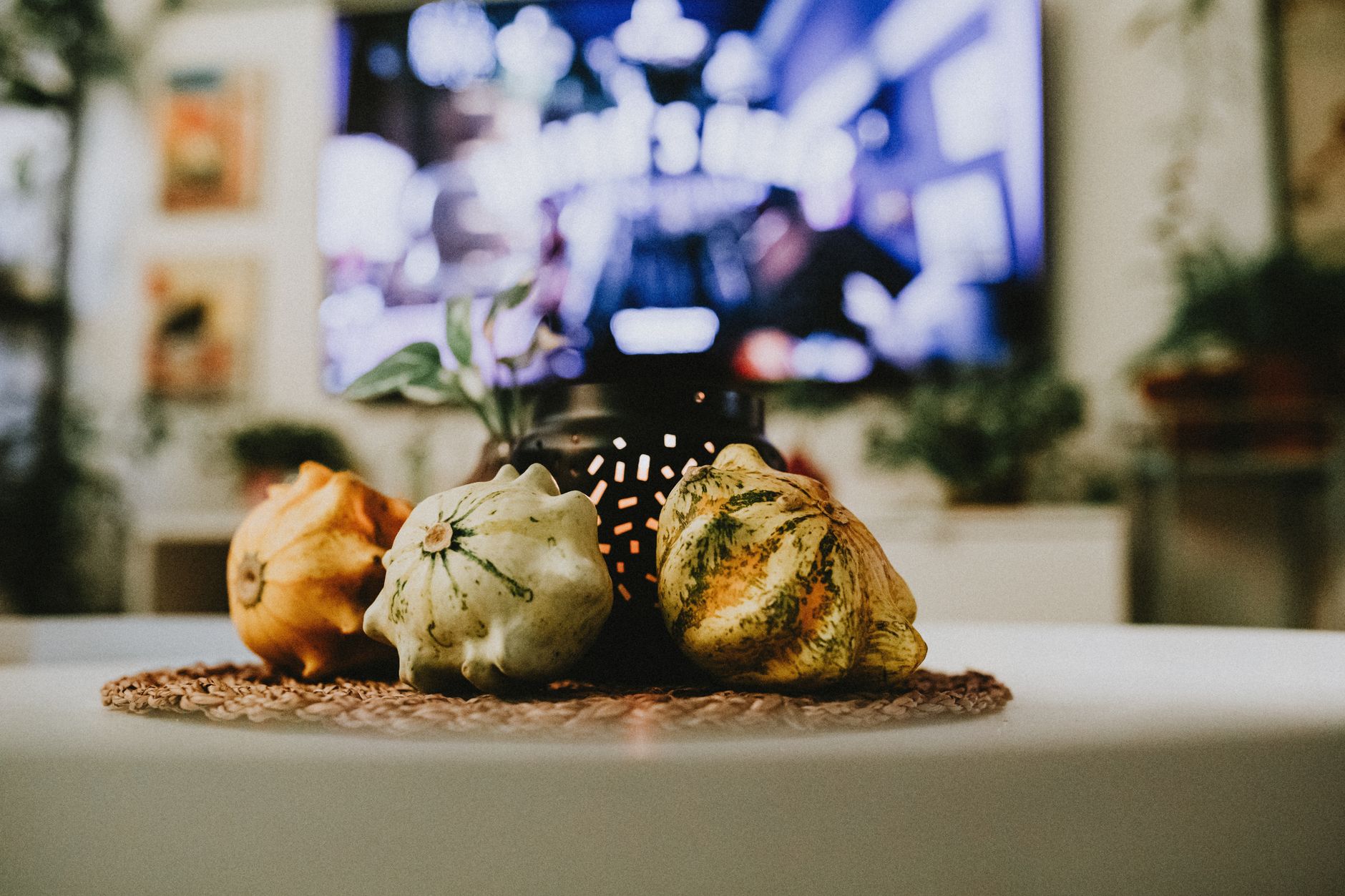
Embracing Warm Textures and Vintage Accents
Embracing Warm Textures and Vintage Accents
Current reporting indicates that fall home decor leans heavily into warm textures, vintage touches, and timeless accents. Incorporating these elements into living spaces creates a cozy atmosphere designed to counter dropping outdoor temperatures as autumn shifts toward late-season hosting.
According to current design coverage, layering tactile fabrics and older or aged decorative elements helps spaces feel grounded and inviting. However, leaning too hard into specific vintage trends can create practical maintenance challenges. Delicate or antique materials frequently conflict with high-traffic winter living, requiring careful placement to prevent accidental damage from heavy coats, damp boots, and frequent guest movement.
Homeowners evaluating these aesthetics must weigh short-term styling appeal against long-term durability:
- Fragile finishes: Delicate vintage ceramics, antique glassware, and unsealed wood surfaces may demand specialized cleaning or protection against winter moisture.
- High-traffic friction: Placing antique textiles or rugs in heavy-traffic entryways or dining spaces can accelerate wear, reducing the lifespan of vintage pieces.
- Storage and rotation: Bulky warm textures like heavy wools and dense weaves require adequate storage space when transitioning between seasons.
When current reporting highlights antique or delicate accents, it is wise to assess whether household routines can support those items safely. If a household includes energetic pets or frequent visitors, positioning fragile vintage accents at lower levels or on high-touch tabletops may invite costly accidents. Instead, many decorators find success by reserving vintage items for sheltered display areas, such as high shelves or glass-front cabinets, where they remain visible without enduring heavy daily friction.
Balancing cozy visual warmth with practical material resilience ensures that living spaces remain functional throughout the colder months. Prioritizing timeless accents that withstand everyday use prevents the frustration of replacing damaged decor before winter fully sets in, keeping maintenance demands manageable amid busy seasonal schedules.
Room-by-Room vs. Intentional Focal Points for Thanksgiving
When preparing a home for Thanksgiving hosting, homeowners often face a demanding tradeoff between covering every square foot and curating targeted impact zones. According to guidance from Homes & Gardens published in late October 2026, a more sustainable approach favors intentional guest-ready spaces and curated seasonal tables rather than attempting to decorate every single room at once. Spreading festive decor too thin across a house frequently overcomplicates maintenance, stretches budgets unnecessarily, and risks making rooms feel cluttered rather than welcoming.
Concentrating design efforts on high-traffic, high-impact areas delivers a significantly more cohesive look while keeping physical effort and total spending manageable. Instead of outfitting unused guest rooms or secondary hallways, focus resources where visitors actually gather:
- The Entryway: Set an immediate seasonal tone with a single sturdy vessel, a weather-resistant mat, and structured natural branches.
- The Dining Table: Build a low-profile centerpiece using a neutral vase framework paired with autumn foliage or candlelight that encourages conversation.
- The Main Living Area: Anchor the space with warm-textured throw blankets and timeless accent pillows that transition smoothly from October through late November.
Current seasonal reporting emphasizes that restraint often yields a more polished aesthetic. When homeowners avoid over-decorating, they reduce the hours spent packing, unpacking, and cleaning fragile items. This strategy also cuts down on impulse purchases of temporary single-use decorations that quickly inflate total household costs before the winter holidays even begin.
It remains uncertain whether minimal room-by-room staging fully satisfies larger gatherings where guests naturally wander throughout the entire house. However, general design practice supports the idea that a few well-executed focal points look intentional, whereas sparse decorations scattered everywhere can appear neglected. By prioritizing quality over quantity in key gathering zones, hosts can achieve a balanced, guest-ready environment without unnecessary financial strain.
Vase-Led Foundations for Low-Cost Seasonal Swaps
As homeowners prepare living spaces for the colder months, managing total costs and storage clutter remains a primary challenge. A sustainable and budget-friendly approach involves using a vase-led transition strategy. Instead of purchasing entirely new decor sets for every minor holiday, this method relies on reusing the same neutral vessel and primary branch framework across multiple seasonal displays.
Throughout the season, you simply swap out supporting elements rather than rebuilding displays from scratch. Changing out textiles, botanical stems, fairy lights, or small hanging ornaments allows a single foundational arrangement to shift smoothly from early autumn gatherings into late-winter holiday celebrations.
Core Benefits of a Vase-Led Foundation
- Reduced Total Cost: Investing in one versatile, neutral vase and a durable branch structure eliminates repetitive spending on single-use holiday centerpieces.
- Minimized Storage Clutter: Swapping out lightweight accessories takes up significantly less storage space than boxing up multiple bulky seasonal displays.
- Seamless Transition: The same physical anchor point works for Halloween foliage, Thanksgiving harvest stems, and winter ornaments without requiring a complete room overhaul.
Current reporting from October 2026 highlights a broader shift toward versatile, timeless accents that bridge multiple celebrations. Similar to the popularity of transition trees—seasonal structures designed to be restyled rather than replaced—vase-led foundations streamline holiday preparation by focusing on adaptable core pieces.
However, practical safety and maintenance tradeoffs apply whenever natural elements are brought indoors. Real branches, live candles, and electrical fairy lights require careful attention to stability and fire safety. Dried natural stems can become brittle over time, and open flames or overloaded electrical cords near dry wood introduce clear household risks. Homeowners should regularly inspect arrangements for stability, keep candles away from flammable foliage, and ensure that electrical lighting components meet standard safety guidelines.
Safety, Maintenance, and When Upgrades Are the Wrong Choice
While versatile decor strategies can reduce waste and streamline storage, they also introduce specific safety and maintenance realities that homeowners must weigh before winter. As outdoor temperatures drop and indoor heating systems turn on, household air naturally dries out. This seasonal shift increases the risk associated with organic materials and open flames, making vigilance essential for any pre-winter arrangement.
Real branches, traditional candles, and electrical lights require ongoing stability checks and active fire-safety care throughout the colder months. Dried botanical elements can become brittle and highly flammable over time, while overloaded electrical circuits or aging light strands pose hidden hazards. Regularly inspecting cords, keeping open flames away from textiles, and securing heavy branch frameworks against tipping are non-negotiable steps for maintaining a safe environment.
Beyond physical safety, consumers face clear financial tradeoffs when evaluating popular stylistic upgrades. For instance, the market trend toward transition trees—seasonal structures designed to be restyled from autumn or Halloween into winter holidays rather than rebuilt from scratch—aims to save time and lower total costs. However, current reporting indicates that if a versatile setup requires purchasing expensive, specialized accessories simply to mask its multi-season compromises, the intended savings quickly evaporate.
To determine whether a trendy upgrade makes sense for your household, consider the following practical indicators:
- Hidden Accessory Costs: If adapting a multi-season display requires buying entirely new decorative layers for each holiday, a simpler, dedicated seasonal setup is often the smarter financial and practical choice.
- Maintenance Fatigue: Elaborate structural arrangements that demand constant repositioning or fragile component swaps may prove impractical for high-traffic rooms.
- Space and Storage Limits: If a modular system requires bulky specialty storage bins that offset the space saved by combining trees, single-purpose decor may be more efficient.
Ultimately, a popular upgrade is the wrong choice when the labor of maintaining it and the cost of accessorizing it outweigh the convenience. Choosing straightforward, intentional accents often delivers better long-term value than forcing a single piece to serve every seasonal milestone.
Energy Efficiency and Thermal Tradeoffs in Seasonal Textiles
When updating home decor ahead of winter, it is easy to focus exclusively on visual warmth while overlooking the practical implications of heavy layering. Incorporating rich textiles like wool throws, velvet pillow covers, and heavier drapery undeniably changes the ambiance of a room, but these additions require a careful balance with household heating systems and everyday airflow. Thick window treatments can effectively block cold drafts and help retain indoor heat during freezing evenings, yet they can also obstruct the efficient distribution of warmth if they hang directly over baseboard heaters or block floor vents.
Furthermore, maintaining these seasonal textiles involves ongoing practical maintenance that affects their total cost of ownership. Denser fabrics often demand specialized cleaning, and layering multiple rugs or throws can trap dust, pet dander, and moisture, which may negatively impact indoor air quality when windows are sealed tight for the winter months. Before investing in a complete overhaul of soft furnishings, homeowners should evaluate whether existing items can be cleaned, repurposed, or supplemented in targeted areas rather than layering every available surface. By prioritizing textiles that offer genuine thermal benefits where seating and sleeping areas receive the highest use, you can achieve a cozy seasonal look without creating unnecessary housekeeping burdens or blocking essential heat sources.
Frequently Asked Questions
What is a transition tree, and how does it work?
A transition tree is a seasonal display structure designed to shift smoothly across the calendar without requiring a total rebuild from scratch. Instead of taking down an autumn or Halloween arrangement and starting over for the winter holidays, decorators use a single foundational tree that can be restyled over time. This approach works by swapping out specific decorative elements as the seasons change, allowing the same core base to serve multiple holidays. By reusing the primary structure, homeowners reduce storage clutter, minimize setup time, and create a continuous visual bridge that adapts naturally as the weather turns colder toward winter.
Why is focusing on intentional focal points better than decorating every room?
Focusing on intentional focal points prevents holiday burnout and helps manage the total cost of seasonal refreshing. Trying to decorate every room simultaneously often leads to clutter, rushed styling, and unnecessary spending on filler items that lack real impact. Prioritizing key areas, such as a main dining table or a primary gathering space, allows you to create welcoming, guest-ready environments with less effort and lower maintenance demands. This targeted method highlights curated seasonal tables and specific feature zones, ensuring your home feels thoughtfully prepared for guests without overwhelming your living spaces or requiring constant daily upkeep throughout the busy season.
How can a neutral vase framework save money during the winter holidays?
A neutral vase framework saves money by establishing a versatile core display that adapts to multiple holidays without requiring entirely new decorative purchases. By keeping a sturdy, neutral vessel and a permanent branch framework as your base, you can avoid buying costly seasonal centerpieces year after year. Instead of replacing major items, you simply swap out small, inexpensive accents like temporary textiles, seasonal stems, fairy lights, or selective ornaments. This strategic reuse stretches your decor budget further while letting you refresh your rooms effortlessly as the transition moves from autumn displays right into the heart of the winter holidays.
What safety precautions are necessary when using real branches and candles indoors?
Using real branches and open flames indoors requires strict attention to stability and fire safety to prevent household hazards. Real branches dry out over time inside heated homes, making them much more flammable, so they must be securely anchored in heavy vessels and kept clear of heat sources. When incorporating candles into your seasonal displays, always place them on stable, non-flammable surfaces away from low-hanging foliage, heavy textiles, and high-traffic pathways. Never leave burning candles unattended, and check electrical string lights regularly for frayed wires or overloaded outlets to protect your living spaces throughout the long winter season.
When is a popular pre-winter decor upgrade the wrong choice for a home?
A popular pre-winter upgrade is the wrong choice when it demands excessive maintenance, compromises indoor safety, or strains your household budget for short-term visual trends. If a heavily promoted item requires constant upkeep or introduces fire risks with candles and dry foliage, it may not suit a busy household with children or pets. Additionally, if an upgrade forces you to overhaul rooms you rarely use instead of focusing on practical gathering spaces, it fails the test of smart resource management. Evaluating total cost, maintenance realities, and actual daily utility helps determine whether a trendy modification genuinely fits your lifestyle.
Sources and updates
Details can change after the October 24, 2026 research cutoff. Check the linked sources and current local guidance before acting.
- Ideal Home: transition-tree trend (2026-10-18)
- Global News: fall home decor trends (2026-10-20)
- Homes & Gardens: preparing for Thanksgiving (2026-10-21)

Chloe Bennett is an interior stylist and ceramic enthusiast with a passion for curation. She specializes in finding the perfect vases to elevate home spaces, blending contemporary design with vintage aesthetics. Her expert guides help readers select, style, and care for unique vessels that transform ordinary rooms into art.