Holiday-Season 2026 Home Decor: What to Watch Next
Holiday-season 2026 home decor requires planning for a compressed timeline over the next 60 days, where early preparation helps prevent holiday fatigue. As autumn transitions into Thanksgiving and the winter holidays, current home decor coverage emphasizes flexible displays that move smoothly from one celebration to the next rather than requiring a total room overhaul from scratch.
Instead of rebuilding every display room by room, homeowners are focusing on intentional styling, warm textures, vintage touches, and timeless accents that bridge the seasonal gap. Monitoring upcoming signals and setting up versatile foundational elements now allows you to shift effortlessly through the rest of the year with minimal stress.

The Next 60 Days: Mapping Your Seasonal Transition
With late-autumn decor trends emphasizing longevity, the next two months require a strategic approach to avoid constant redecorating. Rather than viewing Halloween, Thanksgiving, and the winter holidays as separate design events, treat them as a continuous progression. Establishing a realistic buying timeline now ensures you secure core anchor pieces before inventory tightens, while phased setup checks keep your home welcoming rather than cluttered.
Recent mid-October reporting underscores a shift toward cohesive, versatile foundations. Global News highlights the rising popularity of warm textures, vintage touches, and timeless accents in current fall styling. By leaning into these enduring materials early, you create a neutral base that easily bridges multiple celebrations without requiring a total overhaul of your living spaces.
To navigate the upcoming sixty-day window efficiently, plan your purchases and room adjustments using a staged schedule:
- Weeks 1 to 2 (Late October): Secure foundational anchor items, such as neutral vases, sturdy branch frameworks, and versatile textiles. Current guidance from lifestyle sources suggests that a vase-led transition allows you to reuse the same core vessel while simply swapping out stems, small lights, or seasonal ornaments as the calendar turns.
- Weeks 3 to 5 (November): Shift focus toward intentional guest-ready spaces and seasonal tables. According to Homes & Gardens’ Thanksgiving preparation advice, it is far more effective to focus on curated gathering areas than to attempt decorating every room in the house all at once.
- Weeks 6 to 8 (Late November to December): Introduce transition trees and heavier winter accents. Ideal Home describes transition trees as seasonal structures designed to be restyled from autumn or Halloween straight into Christmas rather than built entirely from scratch.
As you cycle through these phases, maintain strict setup checks. Real branches, seasonal candles, and electrical lighting arrangements all require careful attention to stability and fire safety, particularly as indoor heating dries out natural foliage. While exact retail inventory shifts and shipping speeds remain uncertain as peak holiday shopping approaches, monitoring these signals early will help you maintain a refined, cohesive home environment straight through the end of the year.
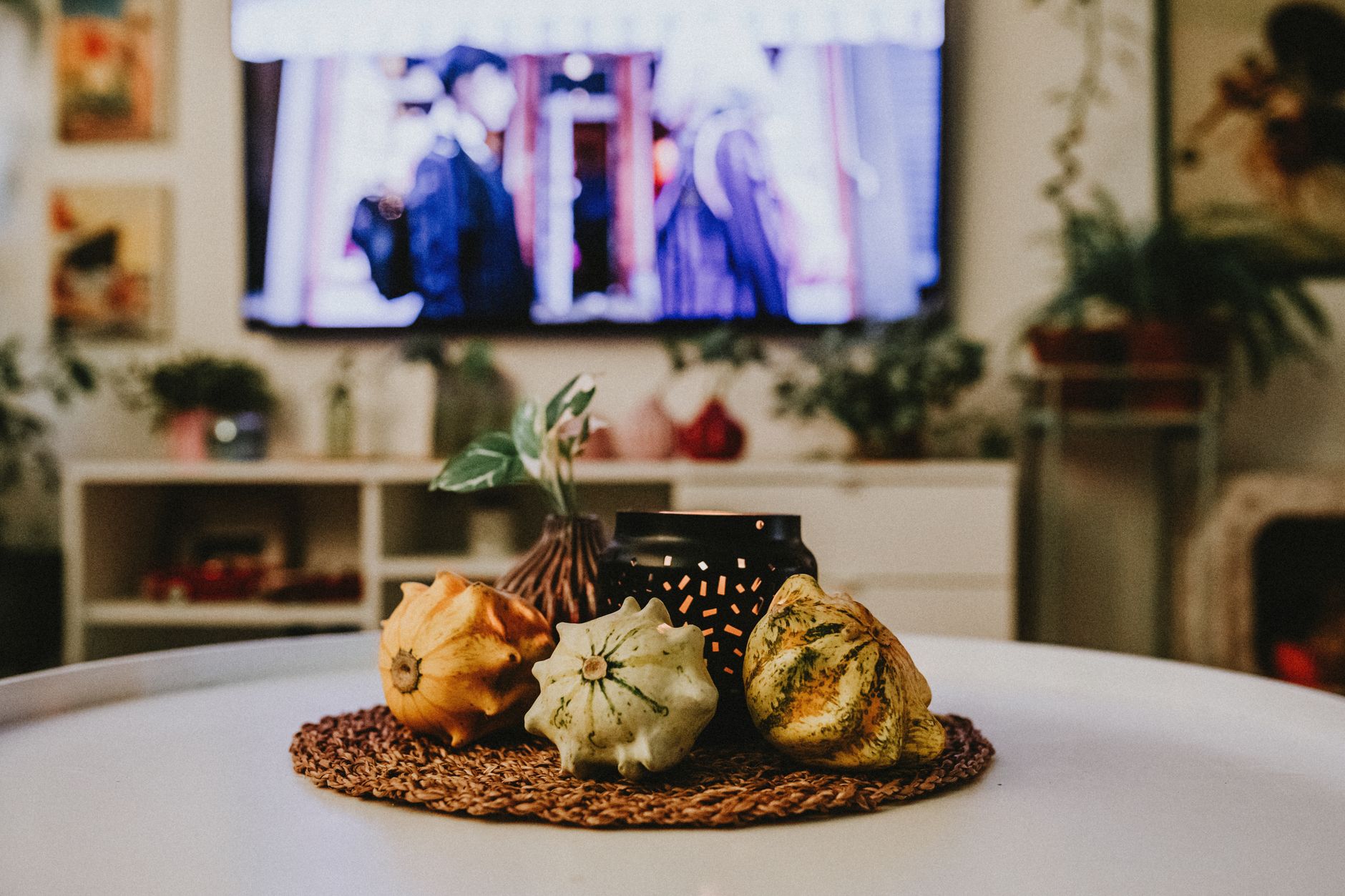
Embracing the Transition Tree Trend
Embracing the Transition Tree Trend
According to recent reporting from Ideal Home, transition trees are gaining major traction as a practical alternative to rebuilding seasonal displays from scratch. Instead of packing away an entire arrangement every few weeks, these multi-use seasonal structures allow you to keep your base framework fully intact while swapping out specific ornaments, foliage, and accents.
Moving from a spooky autumn aesthetic to a festive winter look becomes as simple as exchanging dark or rustic elements for classic winter textiles, subtle fairy lights, and brighter baubles. For households managing tight schedules across the late-year holidays, this adaptive setup method significantly reduces decorating time.
How to Plan Your Tree Evolution
- Establish a neutral base: Keep the foundational branches and trunk assembly consistent, choosing a silhouette that easily supports both rustic harvest stems and polished winter ornaments.
- Swap accessories in phases: Exchange pumpkins and dark velvet ribbons for metallic picks, pinecones, and winter greens as October shifts into November.
- Prioritize safety checks: Ensure any integrated electrical lights remain rated for indoor seasonal use, and periodically inspect cords as foliage adjustments are made.
Current reporting indicates that versatility will remain a dominant priority for holiday setups. While early coverage emphasizes warm textures, vintage touches, and timeless accents, the transition tree offers a structural way to execute that aesthetic evolution without accumulating excess storage clutter.
As you monitor your decor plan over the next 60 days, watch for early retail availability on modular branch bundles and neutral foundational bases that make multi-holiday styling seamless. Although specific product lineups shift quickly through the autumn-to-winter retail window, adopting a framework-first mindset helps keep holiday preparation manageable and visually cohesive.
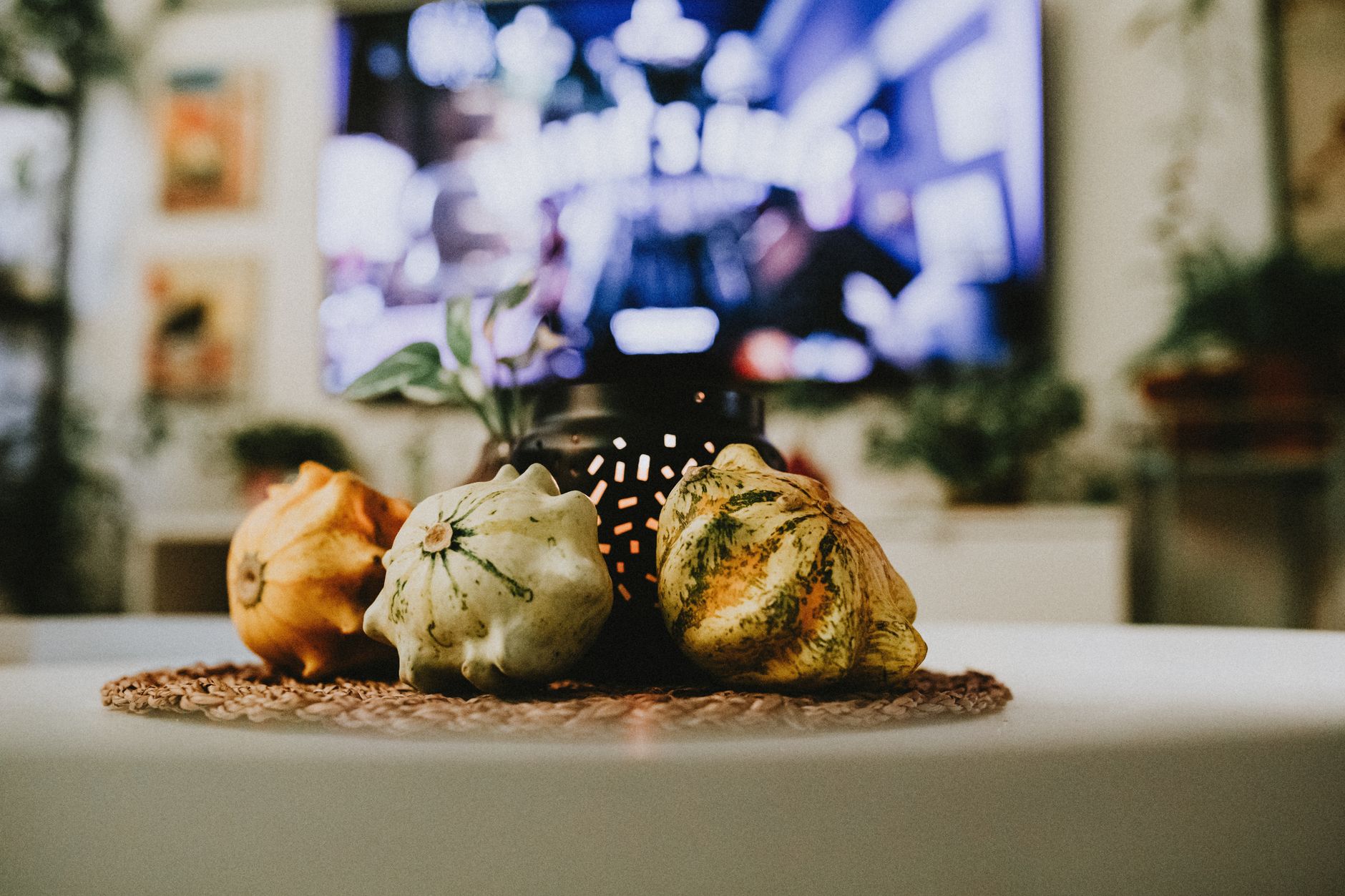
Layering Warm Textures and Vintage Accents
Layering Warm Textures and Vintage Accents
Current autumn decor coverage highlighted by Global News points to a strong preference for warm textures, vintage touches, and timeless accents. As the holiday season approaches, incorporating heavier fabrics, aged metals, and tactile elements adds immediate depth to living spaces without requiring a complete overhaul of your existing layout.
These foundational textures naturally bridge the gap between harvest-themed fall spaces and the cozy, layered environments favored during late November and December. By prioritizing tactile contrast now, you establish a neutral, welcoming baseline that easily accommodates shifts in seasonal color palettes.
To implement this look effectively over the next sixty days, focus your early-season purchasing and styling efforts on versatile, touchable elements:
- Heavier textiles: Introduce chunky-knit throws, wool blankets, and heavy cotton or velvet cushion covers to soften seating areas and provide physical warmth.
- Aged metals: Incorporate brass, copper, or weathered iron candleholders and trays that catch the light and offer a subtle, historical patina.
- Timeless accents: Use ceramic pieces, woven baskets, and traditional glassware that do not lean too heavily into a single holiday motif, keeping them useful from October through the new year.
Observers should monitor whether retail stock begins leaning further into distressed finishes and heavier weaves as November progresses, as these choices signal a sustained consumer interest in durability and longevity over fast-trend disposable decor.
When selecting these items, verify that your foundational pieces—such as heavy ceramic vessels or metal display trays—can support multiple configurations. A well-chosen vintage tray, for instance, can transition from holding miniature pumpkins and dried foliage in October to housing pillar candles or evergreen sprigs for Thanksgiving and winter gatherings.
Keep in mind that while current reporting strongly favors these layered, tactile approaches, personal taste and existing room lighting should dictate your exact material choices. It is unclear whether the heavy demand for vintage and aged finishes will cause localized inventory shortages closer to December, making it prudent to assess your current collection before committing to new purchases.
Room-by-Room Thanksgiving Preparation Strategies
When preparing your home for hosting duties over the next 60 days, current guidance from Homes & Gardens emphasizes a targeted approach rather than an exhausting, whole-house overhaul. As Thanksgiving approaches, trying to decorate every single room at once can quickly lead to setup stress and clutter. Instead, focus your efforts on high-impact zones where guests naturally gather, such as entryways, dining tables, and main living areas. This room-by-room strategy keeps your home functional, maintains comfortable traffic flow, and ensures your seasonal touches stand out.
To streamline your preparations, consider how each key zone can be managed efficiently:
High-Impact Hosting Zones
- Entryways: Keep surfaces clear for coats and bags while adding a single, welcoming touch like a neutral vase with seasonal branches to set a hospitable tone right at the door.
- Dining Tables: Curate a cohesive seasonal tablescape that feels intentional, leaving enough clearance for serving dishes, conversation, and comfortable seating.
- Main Living Areas: Focus soft lighting, warm textures, and timeless accents where family and guests will spend the most time relaxing together.
By concentrating on these specific areas, you reduce the physical and mental load of holiday decorating. Establishing these intentional, guest-ready spaces early also gives you a stable foundation before winter holiday layers are introduced later in the season.
As you monitor your decor setup over the coming weeks, pay attention to how guests interact with these spaces. If a high-traffic zone feels cramped or heavily obstructed by bulky displays, scale back your decor to prioritize comfort and safety. Keeping your strategy focused on designated zones ensures a smooth, stress-free transition from autumn gatherings into the broader winter holiday season.
Vase-Led Styling for Multi-Month Display Versatility
A vase-led transition offers one of the most efficient ways to update your home across multiple holidays. By anchoring your seasonal displays with a single neutral vessel and a sturdy branch framework, you can easily shift your decor as the calendar turns from autumn and Halloween into Thanksgiving and the winter holidays simply by swapping out textiles, dried stems, micro-lights, or themed ornaments.
This approach minimizes storage needs while providing an effortless focal point for tabletops and mantels. Instead of purchasing entirely new centerpieces every few weeks, you reuse the foundational hard goods, which reduces clutter and keeps decorating costs manageable.
To execute this strategy smoothly over the next 60 days, keep these practical guidelines in mind:
- Keep the base neutral: Select a ceramic, stone, or heavy glass vase in an understated solid color so it does not clash with shifting holiday palettes.
- Anchor the framework: Secure sturdy branches—whether harvested outdoors or purchased faux—firmly inside the vessel using floral clay or river rocks if necessary to support heavier accents.
- Swap seasonal layers incrementally: Transition from autumn leaves and miniature pumpkins to amber glass votives, warm-toned micro-lights, and metallic ornaments as winter approaches.
While current home decor coverage heavily emphasizes multi-season adaptability, it remains to be seen how quickly retail inventories will stock specialized modular accessories tailored specifically for rapid vase-and-branch transformations. Early reporting suggests that consumers are favoring these flexible setups to reduce holiday fatigue, but actual product availability may vary by region as the peak shopping weeks progress.
As you build or refine these arrangements, remember to prioritize safety alongside aesthetics. Real branches, real-flame candles, and electrical micro-lights require careful positioning to ensure stability and fire safety, especially in high-traffic rooms or areas frequented by guests and pets. Always verify that cords are rated for indoor use and keep flammable dried materials safely away from open flames.
Safety Checks for Extended Seasonal Displays
As holiday displays remain up for longer stretches across the autumn and winter transition, foundational safety checks become essential for any household. When setups are left in place for weeks at a time, wear and tear can accumulate silently behind the scenes. Real branches, seasonal candles, and electrical lighting require careful management regarding stability, heat sources, and cord safety to protect your living space.
Electrical safety warrants immediate attention before any multi-season arrangement is powered on. Always inspect vintage or multi-season electrical lights thoroughly for frayed wires, cracked sockets, or loose bulbs before plugging them in. Avoid overloading outlets by daisy-chaining multiple extension cords together, and route all wires safely out of high-traffic pathways to prevent tripping hazards or accidental cord pinching.
Structural stability is equally critical when incorporating natural elements into your decor. Ensure heavier branch arrangements and large vessel centerpieces are securely anchored or weighted at the base to prevent tipping, especially in homes with active pets or young children. If you are experimenting with versatile branch frameworks that transition from autumn through the winter holidays, regularly check that the supporting container remains balanced as stems dry out or ornaments are added.
Heat management rounds out your seasonal maintenance routine:
- Keep open flames, including seasonal candles, a safe distance away from dry autumn foliage, dried floral stems, and fabric textiles.
- Never leave burning candles unattended or place them in drafty areas near high-traffic entryways.
- Monitor electrical decor components for overheating, and switch off decorative lighting displays whenever you leave the house or go to sleep.
By building these routine maintenance steps into your schedule over the next 60 days, you can safely enjoy continuous, layered holiday decor without compromising the safety of your home.
Realistic Buying Timelines and Managing Inventory Signals
Navigating the holiday-season decor cycle requires a strategic approach to retail timing, particularly as autumn displays give way to winter celebrations over the coming weeks. With holiday planning accelerating across major design publications, consumers tracking upcoming inventory should monitor stock availability closely between late October and mid-November. Retailers typically transition their primary displays during this window, meaning core foundational items like neutral vessels, evergreen bases, and versatile lighting elements experience high demand before the peak winter holiday rush.
Rather than attempting to purchase a complete collection all at once, smart planning involves pacing acquisitions based on your immediate setup milestones. Secure reusable foundational hardware—such as sturdy branch frameworks, wreath bases, and primary candleholders—during the initial transition phase while selection remains robust. Save perishable items, fresh botanical stems, and specialized table linens for closer to your actual hosting dates to ensure peak quality. Monitoring inventory shifts during late autumn also helps you identify reliable clearance patterns for transitional pieces that bridge the gap between harvest themes and winter festivities.
As you evaluate upcoming purchases, pay attention to practical storage requirements and material durability. Multi-season decor pieces that transition seamlessly from Halloween through Thanksgiving and onward to the December holidays offer the best long-term value, reducing both clutter and setup fatigue. Keep a running checklist of core essentials you actually use year after year, and bypass trendy impulse buys that do not align with your existing home layout. By pacing your purchases realistically over the next two months, you can curate a cohesive, stress-free seasonal environment without overwhelming your storage spaces or your budget.
Pre-Season Storage and Inventory Audits
Before bringing new seasonal decor into your home over the next 60 days, conducting a thorough audit of existing storage bins, garlands, and lighting is essential. Many holiday decorators encounter inventory gaps or damaged items mid-season simply because boxes were packed away hurriedly the previous year without a comprehensive check. Take stock of what is currently on hand, testing all string lights and electrical decorations for frayed wires or burnt-out bulbs before integrating them into new displays. By evaluating your inventory now, you can identify precisely which pieces can be repurposed—such as neutral wreaths, basic candleholders, and structural vessels—and separate them from items that require immediate replacement. This proactive approach prevents impulse purchases during peak holiday rushes, ensures you have adequate protective storage ready for fragile items, and helps you budget effectively for the specific accents you actually need to complete your autumn-to-winter transitions.
Frequently Asked Questions
What is a transition tree and how does it save time during the holidays?
A transition tree is a seasonal structural display designed to be restyled progressively from autumn or Halloween straight into Christmas rather than completely rebuilt from scratch. Instead of packing away an entire arrangement and starting over as the calendar changes, you keep the core branches and base structure intact. This saves significant setup time during the busiest weeks of the year because you only swap out specific decorative elements. By updating ornaments, ribbons, or accent stems on an existing framework, your display evolves naturally week by week while maintaining its structural foundation throughout the entire late-autumn and winter holiday season without unnecessary labor.
How can I shift my decor from Halloween to Thanksgiving without starting over?
You can effortlessly shift your decor from Halloween to Thanksgiving by focusing on subtle updates that replace spooky items with warm, timeless accents rather than starting over. Recent seasonal trend coverage emphasizes incorporating cozy textiles, vintage touches, and classic fall textures that bridge the gap between late October and November. Remove explicitly ghoulish motifs while retaining neutral elements like woven pumpkins, gourds, and amber glassware. By swapping out playful Halloween colors for rich earthy tones, you create an intentional bridge between holidays that keeps your foundational pieces working hard while completely changing the overarching mood of your space for guests.
Which rooms should I prioritize decorating first for late-autumn gatherings?
When preparing your home for late-autumn gatherings and Thanksgiving, experts recommend focusing on intentional, high-impact guest-ready spaces rather than attempting to decorate every single room at once. Prioritize the main entryways where guests arrive, the living room where people congregate, and the dining room table where meals are served. Concentrating your efforts on these specific focal points reduces preparation stress and ensures your home feels welcoming without exhausting your energy. Curating targeted areas allows you to create a cohesive holiday atmosphere efficiently, leaving private spaces unburdened while maximizing the visual impact of your seasonal updates for family and visiting friends.
How do I use a single vase framework for multiple seasonal displays?
A vase-led transition allows you to reuse the exact same neutral vessel and branch framework across multiple holidays by simply swapping out surrounding details. Start with a sturdy, versatile base vase and a durable arrangement of bare branches or dried stems. As the season progresses, you can easily transform the look by changing out textiles, accent stems, fairy lights, or hanging ornaments. In October, you might nestle small pumpkins around the base; in November, add rich foliage; and in December, hang delicate winter ornaments. This sustainable method keeps your core decor consistent while letting you completely refresh your tablescapes or mantelpieces with minimal effort.
What safety precautions should I take with long-term branch and lighting setups?
Long-term branch and lighting setups require careful attention to stability and fire safety as organic materials dry out over time. Real branches placed in vases will dry and become more flammable, so keep them away from open flames, heavy heat sources, and overloaded electrical outlets. When using electrical lights or candles within your arrangements, always inspect cords for fraying, never leave burning candles unattended, and ensure your vase and branch framework is weighted securely so it cannot be easily tipped over by pets or passing guests. Monitoring your displays regularly helps prevent household accidents during busy seasonal hosting months.
Sources and updates
Details can change after the October 24, 2026 research cutoff. Check the linked sources and current local guidance before acting.
- Ideal Home: transition-tree trend (2026-10-18)
- Global News: fall home decor trends (2026-10-20)
- Homes & Gardens: preparing for Thanksgiving (2026-10-21)

Chloe Bennett is an interior stylist and ceramic enthusiast with a passion for curation. She specializes in finding the perfect vases to elevate home spaces, blending contemporary design with vintage aesthetics. Her expert guides help readers select, style, and care for unique vessels that transform ordinary rooms into art.