Holiday-Season 2026 Decor: What to Watch Next
Holiday-season 2026 decor focuses on what to watch next as the calendar enters a fast-paced stretch of overlapping celebrations over the next 60 days. Current trend coverage from mid-to-October highlights displays designed to bridge autumn, Halloween, Thanksgiving, and the winter holidays without requiring a total teardown between events.
Rather than rebuilding displays from scratch, decorators are adopting flexible structures like transition trees that can be restyled from seasonal stems into holiday ornaments, while fall aesthetics lean toward warm textures and vintage touches. To keep preparations manageable, guidance favors intentional guest-ready spaces and focused seasonal tables over decorating every room at once. Managing this timeline requires monitoring realistic purchasing windows, checking the stability of branch frameworks, and maintaining basic fire safety for candles and electrical lights.

The Rise of Multi-Season Transition Trees
According to reporting from mid-October 2026, transition trees are emerging as a practical solution for prolonged holiday hosting. Instead of assembling and dismantling entirely separate displays for Halloween, Thanksgiving, and Christmas, these structural pieces are designed to be restyled rather than rebuilt from scratch. As the calendar advances through the final months of the year, homeowners can anchor a single display with neutral branches or a base tree, then simply swap out smaller decorative elements.
This approach allows you to shift from autumnal stems and spooky accents to festive winter ornaments without starting over every few weeks. Current reporting indicates that decorators are favoring this method to reduce both storage clutter and the physical labor of repeated setup.
If you plan to adopt a transition tree for the upcoming holiday season, the next 60 days require a few practical setup checks to ensure safety and stability:
- Inspect structural integrity: Ensure your base tree or neutral branch framework is weighted properly, as continuous restyling can loosen fixtures.
- Evaluate fire safety: Real branches, candles, and electrical lighting require careful monitoring. Always check that cords are rated for indoor use and kept clear of dry natural foliage.
- Plan your storage strategy: Keep upcoming swap-out elements—such as winter ornaments or Thanksgiving textiles—sorted in labeled bins nearby so you can transition the display efficiently.
While industry reporting highlights the growing popularity of these multi-season structures, the exact lifespan of your transitional display will depend on the durability of the base framework you choose. It remains unclear whether pre-lit models will hold up well to heavy, multi-phase restyling compared to unlit frames customized with separate string lights. As you monitor decor trends in the weeks ahead, look for signals regarding which base materials offer the best longevity for seamless autumn-to-winter transitions.

Layering Warm Textures and Vintage Accents
Current reporting highlights a distinct shift toward grounded interiors as the calendar turns deeper into the holiday season. Design guidance emphasizes that incorporating warm textures, vintage touches, and timeless accents helps rooms feel established rather than overly commercial or temporary. Relying on heritage finishes and heirloom-style vessels creates a visual anchor that can bridge multiple celebrations.
This decorating strategy allows foundational pieces to remain in place across consecutive holiday milestones while smaller surface accessories do the heavy lifting. Instead of overhauling an entire room every few weeks, homeowners can swap out textiles and secondary elements to match the shifting mood.
Practical Ways to Layer Warm Textures and Vintage Accents
- Select tactile fabrics: Introduce heavy, tactile materials such as chunky-knit throws, wool blankets, and velvet pillows to immediately soften living areas and dining spaces.
- Anchor with heritage vessels: Use heavy ceramic, stoneware, or antique glass vessels as permanent centerpieces. These can hold dried autumn stems today and transition to festive greenery later.
- Mix metal finishes: Combine aged brass, brushed bronze, or pewter candlesticks and trays to add a subtle, collected-over-time patina to tabletops and mantels.
Uncertainty remains around which specific vintage eras will dominate retail offerings as winter approaches, but traditional shapes and classic materials consistently retain their versatility. While general interior advice has long favored seasonal refreshes, current reporting suggests a more sustainable, cumulative approach to styling.
When implementing these updates over the next 60 days, monitor how heavy fabrics and lit candles interact within high-traffic areas. Checking stability and maintaining safe clearances around open flames ensures that vintage-inspired warmth remains both inviting and secure throughout the busy entertaining months.
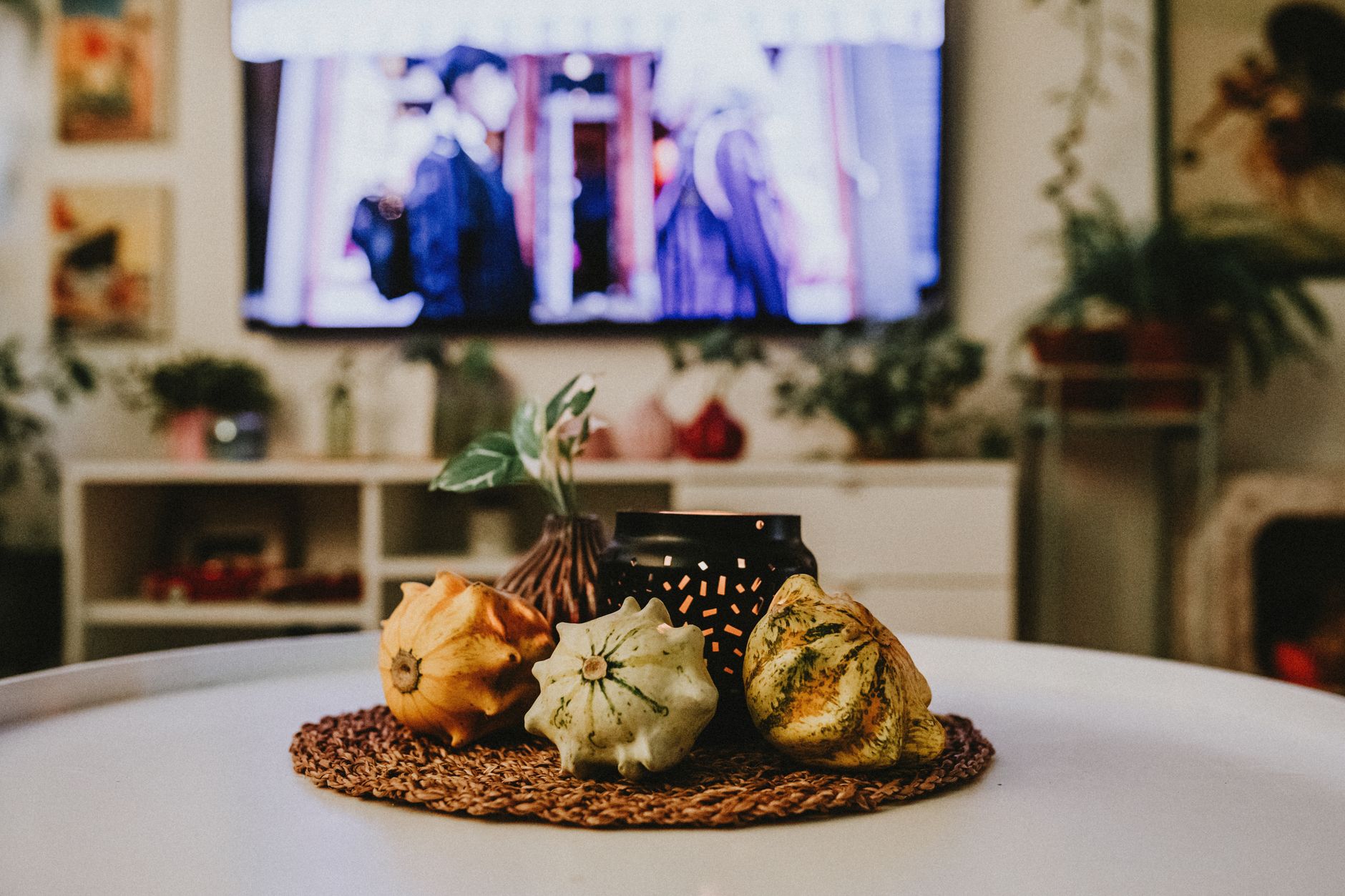
Room-by-Room Thanksgiving Preparation Strategy
Rather than attempting to decorate every corner of the house simultaneously, current reporting from Homes & Gardens recommends focusing on intentional, guest-ready spaces and curated seasonal tables. Prioritizing high-traffic zones keeps the process manageable, prevents design fatigue, and protects both your schedule and your storage capacity as the holiday calendar accelerates.
By concentrating your efforts where visitors actually gather, you can create a welcoming atmosphere for Thanksgiving dinner without burning out. This targeted approach pairs well with neutral anchor pieces—such as a versatile vase-led framework—allowing you to shift focus easily between different zones of the home.
Key Zones to Prioritize
- Entryways: Set an immediate seasonal tone with a single statement vessel, warm lighting, or a simple autumnal branch arrangement that welcomes guests at the door.
- Living Rooms: Focus on comfort and warmth by incorporating textured textiles, ambient candlelight, and subtle vintage accents that bridge the gap between fall and winter.
- Dining Spaces: Direct your primary creative energy toward the table setting itself, utilizing curated centerpieces and layered table linens to anchor the holiday meal.
As you map out your setup over the next 60 days, monitor how these key areas perform under actual use. Watch for pinch points in your layout where extra decor might crowd foot traffic or block seating. Keep in mind that real branches, candles, and electrical lighting setups still require careful attention to stability and fire safety, especially in busy rooms.
While specific host schedules and guest counts vary by household, adopting a room-by-room strategy ensures your home remains functional and calm. Keep an eye on how early setup holds up against daily wear, and adjust your tablescapes and textiles as you transition closer to the late-winter holiday peak.
Vase-Led Styling for Seamless Holiday Shifts
A versatile vase-led transition offers one of the simplest ways to shift your home’s aesthetic across the holiday season without completely overhauling your space every few weeks. By relying on a single structural anchor, you can reduce clutter, cut down on unnecessary purchasing waste, and maintain a continuous visual thread as autumn yields to Thanksgiving and eventually the winter holidays.
Current seasonal home reporting emphasizes that intentional, adaptable displays are far more efficient than building entirely new arrangements from scratch for every minor calendar shift. Instead of storing dozens of single-use containers, you can reuse the exact same neutral vessel and sturdy branch framework throughout the entire cycle.
To execute a vase-led shift successfully over the next 60 days, monitor how you swap out your secondary elements:
- October to November: Fill your neutral vessel with foraged branches, dried seed pods, and rich autumn foliage, pairing the look with heavier textured table runners or muted harvest tones.
- Late November: Transition the arrangement toward Thanksgiving by streamlining the stems, adding polished gourds around the base, and focusing on guest-ready tablescapes rather than decorating every room at once.
- December: Keep the core branches in place, but remove the autumn stems to introduce delicate fairy lights, metallic ornaments, or evergreen clippings for a winter holiday presentation.
While this framework streamlines holiday decorating, safety considerations require careful monitoring as materials change. Real branches, dried organic stems, candles, and electrical fairy lights demand ongoing stability and fire-safety checks, especially when drying out indoors over extended periods.
As you watch for upcoming design signals in the coming weeks, pay attention to how retailers and interior stylists package multi-season decor pieces. While specific product availability and long-term durability metrics vary by manufacturer, choosing a heavy, well-balanced neutral vase now gives you a reliable foundation that easily adapts from early autumn gatherings all the way through the end-of-year celebrations.
Critical Setup Checks and Fire-Safety Essentials
Critical Setup Checks and Fire-Safety Essentials
While creative styling drives holiday decorating, practical safety measures must guide your physical setup. As you assemble displays over the next 60 days, physical security and electrical precautions demand equal attention alongside aesthetic choices, especially in busy family zones.
Real branches, traditional candles, and electrical holiday lights require careful placement and ongoing stability checks. Because transitional decor often incorporates foraged elements, dried stems, and heavy vessels, structural balance is vital to prevent tip-overs in high-traffic areas.
Observe these core physical precautions during your setup:
- Keep live greenery thoroughly hydrated and positioned well away from direct heat sources to prevent rapid drying.
- Inspect all holiday light strands closely for frayed wiring, cracked sockets, or loose connections before plugging them into any outlet.
- Ensure candle flames are kept completely clear of dried autumn foliage, trailing textiles, and paper-based table runners.
- Verify that heavy branch arrangements inside neutral vases are securely anchored at the base with proper interior weights or dense floral foam.
Current reporting indicates that mixing natural textures with electrical elements remains popular, making proactive monitoring essential. Keep an eye on high-draw electrical circuits when layering multiple light displays, and never leave burning candles unattended near seasonal entryways or dining tables.
Timing Your Purchases and Monitoring Next Signals
With major retail shifts occurring throughout October and November, timing your purchases strategically prevents both stock shortages and impulse buying. Securing versatile, high-quality base items early gives you a reliable foundation, while monitoring upcoming design signals over the next 60 days helps you see how autumn statements naturally blend into winter gatherings. Keeping a close eye on your core color palette and structural framework will help you evaluate whether you need new additions or can successfully restyle what you already own.
Current home decor reporting from mid-October emphasizes that a proactive buying schedule prevents holiday fatigue. Instead of scrambling to replace entire displays as each holiday passes, look for foundational elements that can anchor multiple seasonal shifts. For example, reports note a growing preference for transition trees and vase-led displays that reuse the same neutral vessels and branch frameworks, requiring only minor updates to stems, textiles, or lighting.
To navigate the next two months effectively, consider this practical purchasing and monitoring timeline:
- Early to Mid-November: Secure core neutral items, such as sturdy vases, foundational candleholders, and versatile greenery frameworks, before peak holiday rushes strain inventory.
- Late November: Focus on intentional guest-ready spaces and seasonal tables for Thanksgiving rather than attempting to decorate every room in the house at once.
- Early December: Monitor late-season design signals to see which warm textures, vintage touches, and timeless accents can be layered onto your existing base structures for the winter holidays.
As you watch for upcoming design signals, evaluate your inventory for structural flexibility. Real branches, candles, and electrical lights still require careful attention to stability and fire safety, meaning your initial hardware choices must be durable enough to support multiple phases of use. By prioritizing multi-use foundations now, you can adapt your displays smoothly as the season progresses without buying redundant decor.
Managing Storage and Post-Holiday Transition Logistics
As the holiday season approaches, planning how you will pack away your displays is just as important as setting them up. Efficient storage management prevents clutter from spilling over into January and protects delicate decorations from damage during the off-season. Before introducing new seasonal pieces into your home, take inventory of existing storage bins, clear out dedicated spaces in closets or attics, and label containers clearly by room or holiday phase.
A smart post-holiday strategy begins with grouping items by their versatility. Multi-season transition pieces, such as neutral vases, candleholders, and structural branch frameworks, should be kept accessible for everyday winter styling rather than packed away immediately after New Year’s. Meanwhile, fragile ornaments, themed Halloween decor, and specific Thanksgiving table runners require protective wrapping and designated climate-controlled boxes to maintain their condition for the following year.
By establishing a clear organization system now, you eliminate the frantic cleanup scramble that often follows the busy hosting months. Dedicating a weekend to sorting through storage ahead of time also helps you identify what you actually need to purchase over the next sixty days, preventing impulse buys and ensuring your home remains organized from autumn through the winter holidays.
Practical Buying and Setup Checklist
Navigating the next sixty days of seasonal decorating requires a strategic approach to purchasing, staging, and safety. As media coverage highlights warm textures, vintage-inspired touches, and timeless accents, shoppers should evaluate which foundational elements can span multiple holidays without requiring a complete overhaul.
Focus your immediate buying decisions on versatile base pieces that handle shifting calendar milestones. Rather than purchasing distinct setups for Halloween, Thanksgiving, and the December festivities, invest in neutral staples like a sturdy ceramic vase, heavy-duty branch frameworks, and adaptable textiles that accept minor color updates. When sourcing seasonal items during late October and early November, prioritize durability and storage potential so that transition trees and multi-use vessels can be efficiently restyled rather than replaced.
When organizing your living spaces, resist the urge to decorate every room simultaneously. Guided by intentional Thanksgiving preparation strategies, concentrate your early setup efforts on key guest-ready zones such as the entryway, living room, and dining table. Staging these specific focal points first reduces setup fatigue and allows you to test how autumn leaves, pumpkins, and harvest garlands can naturally give way to winter foliage and festive lighting.
Before finalizing any holiday display, perform essential safety and stability checks, especially when working with real branches, open flames, or electrical components:
- Inspect all electrical fairy lights and corded displays for frayed wiring or broken bulbs before plugging them into outlets.
- Ensure heavy branches placed inside large vases are anchored securely with floral foam, stones, or water to prevent tipping.
- Keep open-flame candles safely distanced from dried autumn foliage, paper garlands, and hanging fabrics.
- Monitor the moisture levels of real cut stems to prevent premature drying and reduce household fire hazards.
As you monitor upcoming decor trends over the next two months, pay attention to how retail collections shift from harvest themes into winter holiday styling. By maintaining a modular framework of neutral vases, warm lighting, and adaptable textiles, you can seamlessly transition your home decor week by week while keeping your setup practical, safe, and visually cohesive through the end of the year.
Frequently Asked Questions
What is a transition tree and how does it work?
A transition tree is a seasonal display structure designed to be restyled from autumn or Halloween into Christmas rather than built entirely from scratch. Instead of taking down your display when October ends, you retain the core framework and simply swap out the decorative elements. You can easily remove pumpkins, spooky ornaments, and muted autumn picks, then replace them with festive winter accents, holiday ribbons, and baubles. This approach saves significant time and effort while keeping your seasonal styling cohesive. It offers a practical way to bridge multiple holidays seamlessly without constantly buying, storing, and assembling entirely different trees throughout the busy autumn and winter months.
How can I style my home for Thanksgiving without decorating every room?
You can style your home effectively for Thanksgiving by focusing on intentional, guest-ready spaces rather than attempting to decorate every single room at once. Concentrate your seasonal efforts on high-impact areas where family and visitors naturally gather, such as the entryway, living room, and dining table. A carefully curated Thanksgiving table setting and a warm greeting area create an inviting holiday atmosphere without overwhelming your entire living space. This room-by-room restraint makes preparation much more manageable and allows you to highlight specific seasonal details. Prioritizing key functional zones keeps your home comfortable, tidy, and ready for hosting without creating unnecessary decorating clutter.
What are the key decor trends for late autumn and winter 2026?
Current seasonal coverage highlights warm textures, vintage touches, and timeless accents as the defining trends for late autumn and winter styling. Homeowners are increasingly embracing comforting fabrics like chunky knits, heavy wools, and soft velvets to create a cozy interior atmosphere. Vintage-inspired items, heirloom-style candlesticks, and handcrafted details add a sense of history and warmth to modern spaces. Meanwhile, timeless accents ensure that your decor remains sophisticated and versatile as you transition through multiple holidays. These enduring elements help create an inviting, layered look that feels both curated and comfortable throughout the colder months of the year.
How do I reuse the same vase or vessel across multiple holidays?
You can easily reuse the same neutral vase or vessel across multiple holidays by keeping the foundational branch framework intact while changing the supporting details. Start with a versatile, sturdy vessel and a base structure of bare branches or dried stems. For autumn, you can accent this arrangement with fall foliage, warm-toned textiles, and ambient lighting. As you move into winter and the holiday season, simply swap out those seasonal stems for festive greens, twinkling lights, or hanging ornaments. This sustainable, budget-friendly strategy allows your central floral or botanical display to evolve naturally from Halloween and Thanksgiving straight through to Christmas with minimal effort.
What safety precautions should I take with real branches, candles, and lights?
When incorporating real branches, candles, and electrical lights into your seasonal displays, safety should always remain a top priority. Real branches and dried botanicals can dry out over time and become potential fire hazards, so keep them well away from open flames and heating vents. Always secure heavy branches properly inside a sturdy, weighted vase to prevent tipping and accidental breakage. Never leave burning candles unattended, and keep them clear of low-hanging foliage, fabrics, and wrapping materials. Finally, inspect all electrical lights for frayed wires or damaged plugs before use, and turn off decorative illumination whenever you leave the room or go to sleep.
Sources and updates
Details can change after the October 24, 2026 research cutoff. Check the linked sources and current local guidance before acting.
- Ideal Home: transition-tree trend (2026-10-18)
- Global News: fall home decor trends (2026-10-20)
- Homes & Gardens: preparing for Thanksgiving (2026-10-21)

Chloe Bennett is an interior stylist and ceramic enthusiast with a passion for curation. She specializes in finding the perfect vases to elevate home spaces, blending contemporary design with vintage aesthetics. Her expert guides help readers select, style, and care for unique vessels that transform ordinary rooms into art.