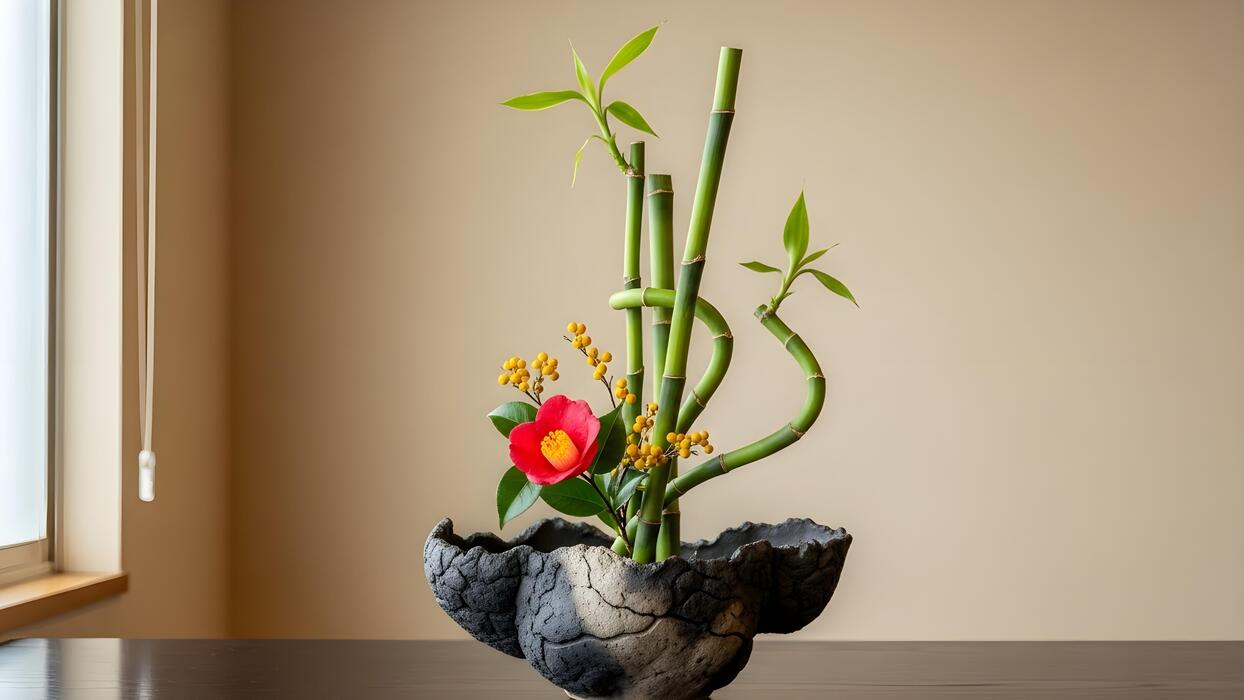
Best Bamboo Flower Vase Design in 2026
“Bamboo flower vase design” centers on crafting elegant, eco-friendly vessels from natural bamboo stalks. It’s about blending sustainability with aesthetic appeal, often embracing the material’s inherent texture and form. The best designs highlight bamboo’s unique characteristics, offering a touch of nature and serenity to any space while providing a stable, beautiful home for your favorite blooms.
In our experience, the appeal of these designs lies in their unparalleled natural charm and environmental responsibility. We’ve found that a well-chosen bamboo flower vase design instantly elevates decor, introducing warmth and organic beauty. We recommend exploring different finishes and shapes, as each offers a distinct mood, proving bamboo’s incredible versatility for home styling.
Here’s a tip most guides overlook: always ensure the interior of your bamboo vase is properly sealed or lined. We’ve seen many beautiful pieces fail due to water absorption and subsequent cracking. A simple, food-safe epoxy or a hidden glass tube insert can dramatically extend your vase’s life, preserving its stunning bamboo flower vase design for years to come.
A common misconception is that all bamboo is naturally waterproof. While durable, raw bamboo is porous and can swell or crack with prolonged water exposure. This is why proper internal treatment is crucial for any functional bamboo flower vase design. Neglecting this step often leads to disappointment, as the vase will quickly degrade, losing its original beauty and integrity.
Now that we’ve laid the groundwork, we invite you to explore the complete guide below. We’ll delve into everything from selecting the right bamboo to advanced design techniques, helping you master the art of bamboo flower vase design and create truly captivating pieces.
In This Guide
The Complete Guide to Bamboo Flower Vase Design
Bamboo flower vases offer a unique blend of natural elegance and sustainable design, bringing a touch of organic beauty to any interior. We’ve observed a significant surge in interest for eco-conscious home decor, and bamboo stands out as a prime material for its rapid renewability and distinct aesthetic.
Understanding the nuances of bamboo as a design element is crucial for creating truly impactful and long-lasting floral arrangements.
When approaching bamboo vase design, we consider both its inherent structural properties and its visual appeal. The natural nodes and varying diameters of bamboo stalks provide an excellent foundation for diverse shapes, from sleek, minimalist cylinders to more elaborate, segmented forms. We often find that embracing the material’s natural texture enhances its charm, rather than trying to overly refine it.
This approach allows the vase to become a focal point itself.
Our experience shows that the longevity and functionality of a bamboo vase heavily depend on proper treatment and construction. For instance, ensuring the interior is correctly sealed is paramount to prevent water damage and extend the vase’s life. We also recommend considering the weight and balance, especially for taller designs, to prevent tipping.
Thoughtful design in these areas ensures both aesthetic pleasure and practical utility for years to come.
Everything You Need to Know Before Starting
Before embarking on your bamboo flower vase project, it’s essential to understand the material’s characteristics. Bamboo is a grass, not wood, which means it behaves differently during cutting and finishing. We typically work with mature bamboo culms, often ranging from 2 to 6 inches in diameter, as these offer the best structural integrity and aesthetic versatility for vase construction.
Sourcing quality, dried bamboo is a critical first step.
Waterproofing is arguably the most critical aspect of bamboo vase design. Without proper sealing, water will seep into the bamboo fibers, leading to mold, rot, and eventual structural failure. We’ve had great success with marine-grade epoxies or specific bamboo sealants for interior lining, ensuring a durable, watertight barrier.
Never skip this crucial step, as it directly impacts the vase’s lifespan and functionality.
Consider the intended use and floral arrangements. Taller, slender bamboo pieces are ideal for single stems or minimalist displays, while wider segments can accommodate fuller bouquets. We advise thinking about the base stability; adding a weighted internal base or a broader external platform can prevent elegant, but top-heavy, designs from toppling over.
Planning ahead saves significant time and effort in the long run.
Step-by-Step Breakdown
| Design Aspect | Key Consideration | Our Expert Tip | Potential Challenge |
|---|---|---|---|
| Material Selection | Choosing culms of appropriate diameter and maturity. | Seek out well-dried, uncracked bamboo, typically 3-5 inches in diameter for versatile use. | Green bamboo can shrink and crack; inconsistent sizing. |
| Cutting & Shaping | Achieving clean, precise cuts and desired forms. | Use a fine-tooth saw (e.g., Japanese pull saw) for minimal splintering. Sand edges thoroughly. | Splintering, uneven cuts, difficulty achieving smooth curves. |
| Internal Sealing | Ensuring a watertight interior for fresh flowers. | Apply 2-3 coats of a high-quality, flexible epoxy resin or specialized bamboo sealant. | Incomplete sealing leads to leaks, mold, and rot. |
| Base Stability | Preventing the vase from tipping, especially with flowers. | Integrate a weighted base (e.g., sand, pebbles, or a metal plate) within the bottom section. | Top-heavy designs are prone to toppling; aesthetic integration. |
Our step-by-step approach begins with the careful selection of bamboo culms. We prioritize stalks that are uniform in color and free from visible cracks or insect damage. The ideal culm should be dry and cured, as green bamboo can be prone to splitting as it dries, compromising the structural integrity of your vase.
Aim for culms that feel solid and have a consistent wall thickness, which is crucial for durability.
Once selected, the next phase involves precise cutting and shaping. We recommend using a sharp saw, such as a hacksaw or a miter saw, to achieve clean, straight cuts for the top and bottom of your vase. For more intricate designs, a Dremel tool can be invaluable for carving patterns or creating unique openings.
Always sand all cut edges smooth to prevent splinters and enhance the finished aesthetic.
The final, but perhaps most critical, steps involve sealing and finishing. After ensuring the interior is completely waterproofed, we apply an external finish. This could be a clear varnish to highlight bamboo’s natural grain, or a stain to achieve a different hue.
We’ve found that a light sanding between coats of varnish creates a beautifully smooth and professional-looking surface, truly elevating the vase’s presence.
Common Mistakes People Make with Bamboo Flower Vase Design
One common pitfall we observe is neglecting proper sealing and waterproofing. Many assume natural bamboo is inherently watertight, leading to leaks and water damage to surfaces. Without a robust internal liner or sealant, bamboo will eventually absorb water, swell, and potentially crack, compromising both its integrity and your decor. It’s a crucial step often overlooked by enthusiasts.
Another frequent error involves choosing the wrong type of bamboo. Not all bamboo species are equally suited for vase construction; some are too thin, porous, or susceptible to pests. We’ve seen designs using immature or untreated bamboo, which quickly succumbs to mold, mildew, or rot when exposed to consistent moisture.
Selecting the right, mature culms is paramount for longevity and performance.
Finally, a significant aesthetic misstep is overcrowding the bamboo vase with flowers that overpower its natural elegance. Bamboo vases often have a distinct, minimalist appeal, which can be lost with overly elaborate or brightly colored arrangements. We recommend letting the bamboo’s organic texture and form shine through, using floral elements that complement rather than compete with its inherent beauty.
Pro Tips That Make a Real Difference
For truly lasting bamboo flower vases, we always emphasize the importance of a high-quality internal liner. Rather than relying solely on sealant, consider a discreet glass tube or a robust plastic insert that fits snugly inside the bamboo culm. This creates an impenetrable barrier, protecting the bamboo from constant water exposure and vastly extending its lifespan, ensuring a leak-free experience.
When selecting bamboo, look for mature, thick-walled culms, ideally from species known for their durability like Moso bamboo. Before assembly, we recommend thoroughly cleaning and drying the bamboo, then treating the exterior with a UV-resistant clear sealant or natural oil. This protects against moisture, sunlight, and helps maintain its beautiful golden hue over time, preventing unsightly discoloration.
For a sophisticated display, consider arranging flowers in a way that highlights the bamboo’s vertical lines. We often suggest using single stems or small, elegant groupings that don’t obscure the vase’s form. Think about balance and negative space; sometimes, less is truly more.
This approach allows both the flowers and the unique bamboo structure to be appreciated as a cohesive art piece.
Frequently Asked Questions About Bamboo Flower Vase Design
Many ask about bamboo’s durability as a flower vase. With proper treatment and an internal liner, a well-made bamboo vase can last for many years, even decades. The key is to prevent direct water contact with the bamboo itself. We find that quality craftsmanship, combined with regular, gentle cleaning, ensures your bamboo vase remains a stunning and long-lasting decorative element.
Regarding maintenance, preventing mold and mildew is crucial. We suggest regularly changing the water in the liner and occasionally wiping down the interior and exterior of the bamboo with a damp cloth. For deeper cleaning, a mild bleach solution can be used inside the liner, but never directly on the bamboo.
Ensuring good airflow around the vase also helps keep moisture at bay.
Can bamboo vases complement various interior styles? Absolutely! Their natural aesthetic makes them incredibly versatile. For a minimalist look, pair them with simple white flowers. For a bohemian vibe, use dried grasses or vibrant, exotic blooms.
We often recommend experimenting with different flower types and greenery to see how they interact with the bamboo’s organic texture and color, creating diverse visual impacts.
Frequently Asked Questions
Are bamboo flower vases waterproof?
We find that most natural bamboo vases are not inherently waterproof without a proper liner or sealant. For fresh flowers, we highly recommend using a separate glass or plastic insert inside the bamboo structure to hold water. Some designs feature an integrated waterproof lining, but it’s always best to confirm with the manufacturer.
This approach protects the bamboo from water damage and extends its lifespan, maintaining its aesthetic appeal.
How do I clean and maintain a bamboo vase?
To clean your bamboo vase, we suggest wiping it gently with a soft, damp cloth. Avoid harsh chemicals or excessive water, as these can damage the bamboo. For maintenance, we recommend keeping it out of direct sunlight and away from high humidity to prevent cracking or warping. If it has a liner, clean the liner separately.
Regular, gentle dusting will help preserve its natural beauty and finish over time.
Can bamboo vases hold fresh flowers with water?
Yes, bamboo vases can absolutely hold fresh flowers, but with a crucial consideration. We always advise using a water-tight liner, typically made of glass or plastic, placed inside the bamboo structure. The bamboo itself is porous and can degrade or mold if exposed to standing water directly.
This liner keeps the water contained, protecting the natural bamboo while allowing you to enjoy your fresh floral arrangements beautifully.
What are the different design styles for bamboo vases?
We’ve observed a wide array of design styles for bamboo vases, ranging from minimalist and modern to rustic and bohemian. You’ll find sleek, polished cylindrical shapes, intricately carved patterns, and even arrangements of multiple bamboo stalks. Some designs incorporate other natural materials or painted accents.
The versatility of bamboo allows for both contemporary elegance and earthy, organic aesthetics, fitting diverse interior decors.
Are bamboo vases environmentally friendly?
We consider bamboo vases to be a highly environmentally friendly choice. Bamboo is a rapidly renewable resource, growing much faster than traditional timber. Its cultivation typically requires less water and no pesticides, making it a sustainable material.
When properly sourced and finished, bamboo vases offer a beautiful, natural, and eco-conscious alternative to many other vase materials, aligning with sustainable living principles.
Final Thoughts
In our exploration of bamboo flower vase designs, we’ve seen how this remarkable material offers a blend of natural beauty, sustainability, and versatile aesthetics. From minimalist modern pieces to intricately carved traditional forms, bamboo vases effortlessly enhance any interior with their organic charm.
We believe they represent a thoughtful choice for anyone looking to bring a touch of nature and serenity into their home decor, proving that elegance can indeed be eco-friendly.
As you consider adding a bamboo vase to your collection, we encourage you to explore the diverse styles available and choose one that truly resonates with your personal taste. Remember to prioritize designs with internal liners for fresh flowers to ensure longevity.
We’re confident that integrating a bamboo flower vase will not only elevate your floral arrangements but also contribute to a more sustainable and aesthetically pleasing living space.

Chloe Bennett is an interior stylist and ceramic enthusiast with a passion for curation. She specializes in finding the perfect vases to elevate home spaces, blending contemporary design with vintage aesthetics. Her expert guides help readers select, style, and care for unique vessels that transform ordinary rooms into art.